
Today we will be examining Historical Holidays and events that made history on this day. We will get to see what this day was like through different years. We will also get to listen to what the day sounded like. So grab a comfy seat and lets get started.
Cereal Defined
Cereal is defined as; any plant of the grass family yielding an edible grain, as wheat, rye, oats, rice, or corn. A breakfast food made from roasted grain, typically eaten with milk.

An American invention, breakfast cereal began as a digestive aid, acquired religious overtones, became a sugary snack and now toggles between health food and sweet indulgence. Throughout that history, it has mirrored changes in the world beyond the breakfast table. Here are some highlights. (Collections Magazine) http://collections.mnhs.org/mnhistorymagazine/articles/59/v59i01p004-016.pdf
1910’s
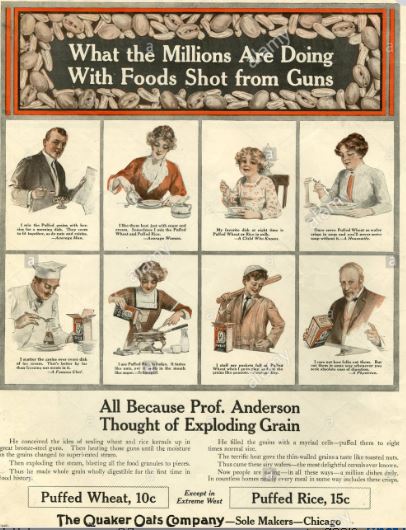
The Quaker Oats Company, which had acquired a method of forcing rice grains to explode under pressure, began marketing Puffed Rice and Puffed Wheat as a breakthrough in food science, calling them the first “food shot from guns” and “the eighth wonder of the world.”
1920’s
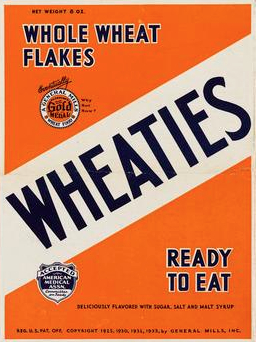
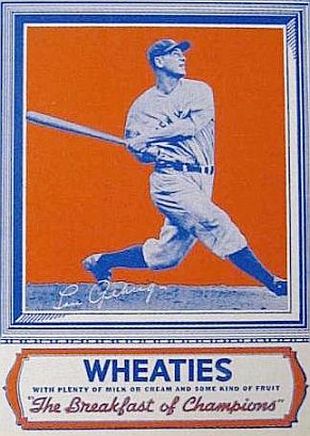
A health clinician accidentally spilled a wheat bran mixture onto a hot stove, creating what would come to be called Wheaties. (Its famous slogan, “Breakfast of Champions,” would first appear on a billboard for a minor league baseball team in Minnesota in the 1930s.)
Rice Krispies, with its characters Snap, Crackle and Pop, soon became a close rival.
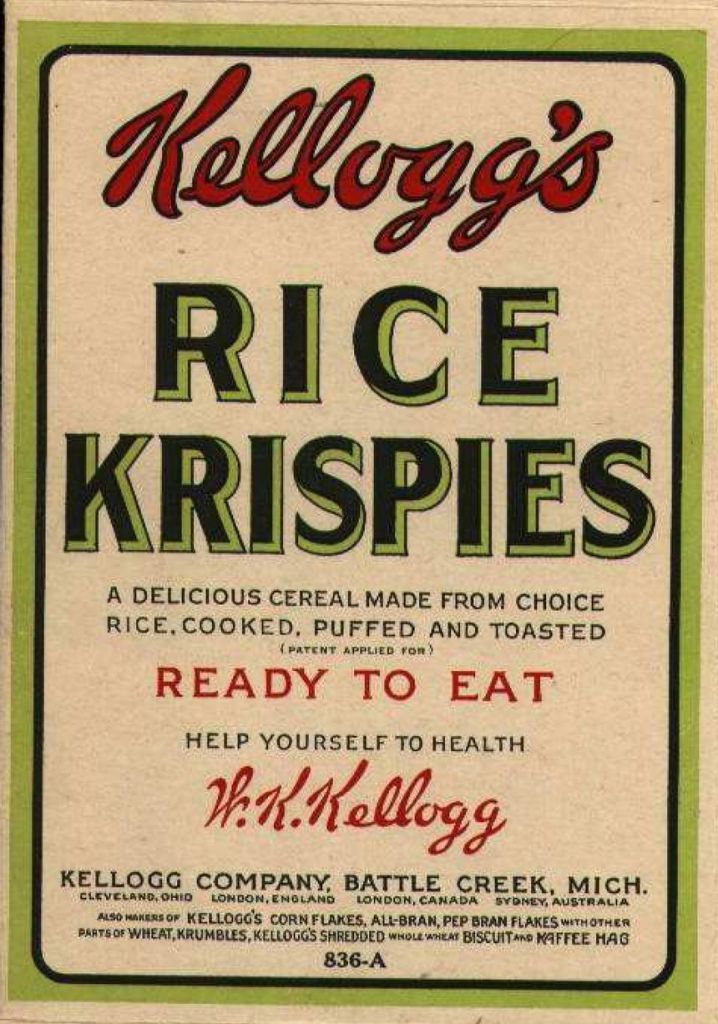
1930 kelloggs rice krispies ad
1930’s
The Ralston Purina company introduced an early version of Wheat Chex, calling it Shredded Ralston.
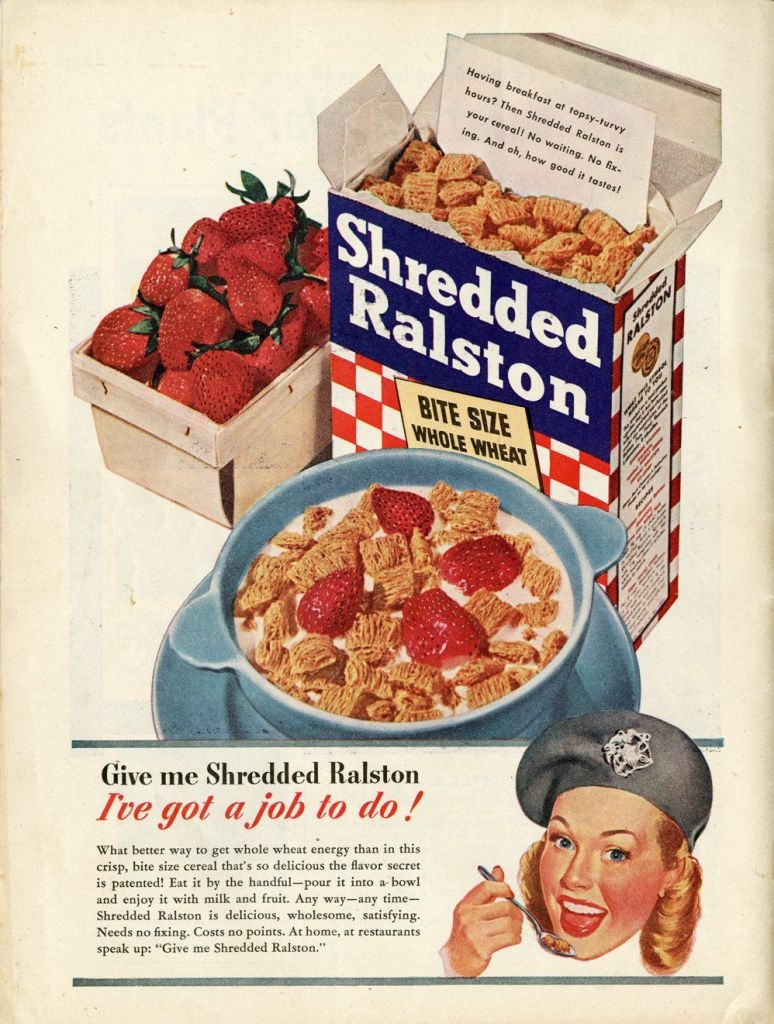
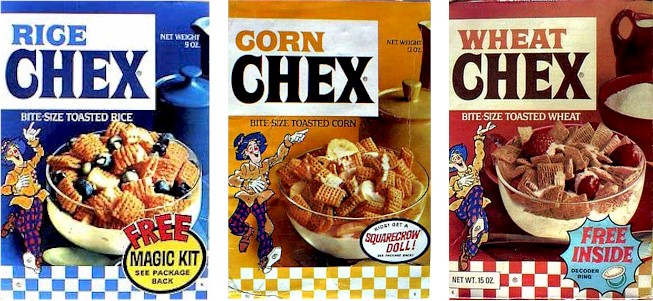
It was intended to feed followers of Ralstonism, a strict, racist social movement that included a belief in controlling the minds of others. (The name Chex, a rice version and the first recipe for Chex Mix would not arrive until the 1950s. And yes, that’s Elizabeth Taylor on this ’50s box.)
10 Square Facts about Chex Cereal https://www.mentalfloss.com/article/82389/10-square-facts-about-chex-cereal
1940’s
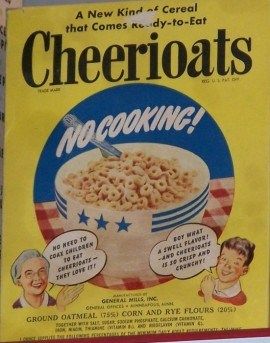
Cheerios appeared as CheeriOats but were quickly renamed. (They would become the best-selling cereal in America, worth about $1 billion in sales in 2015. Honey Nut Cheerios, introduced by General Mills in 1979, is the brand’s most popular version.)
1950’s
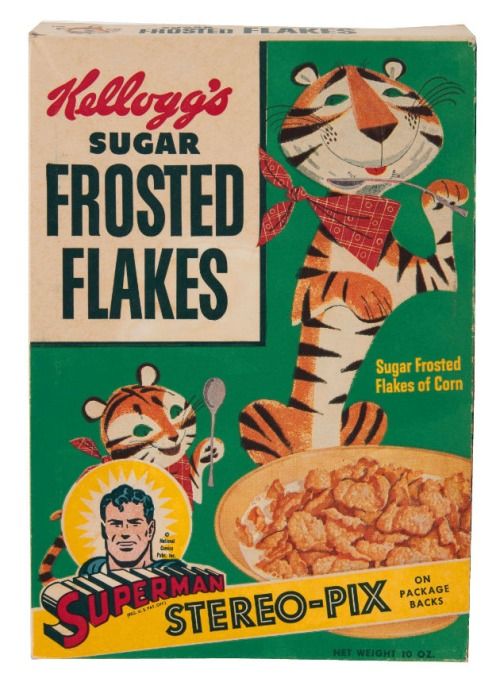
After World War II, cereal consumption increased with the advent of the baby boom, and sugar became a selling point. Kellogg’s invented Frosted Flakes and its pitchman, Tony the Tiger, and a new era of television advertising began. (Tony shared mascot’s duty for the brand with other characters including Katy the Kangaroo, but they were later phased out.)
Kellogg’s Sugar Frosted Flakes 1950’s Tony Tiger
1960’s
Quisp, a pink-skinned alien in a green jumpsuit, became a madly popular character for the space age. He fought his rival, the miner Quake, in a series of commercials.

Quisp vs Quake Cereal 1965 very 1st Commercial
Quaker Quisp Cereal (1966) – Classic TV Commercial
Quisp and Quake Commercials Vol 1/2 – Quake’s Original Look
Quisp and Quake Commercials Vol 2/2 – Quake’s New Look and Orange Quangaroos

Like Cap’n Crunch, another Quaker product from this decade, the cereals were essentially sweetened corn and oat dough formulated into different shapes. Quake was discontinued, but the saucer-shaped Quisp has been resuscitated periodically, and memorabilia remains in demand.
Cap’n Crunch’s very 1st Commercial
Cap’n Crunch and the mermaid 1965
Cap’n Crunch 1960’s Sing Along
1970’s
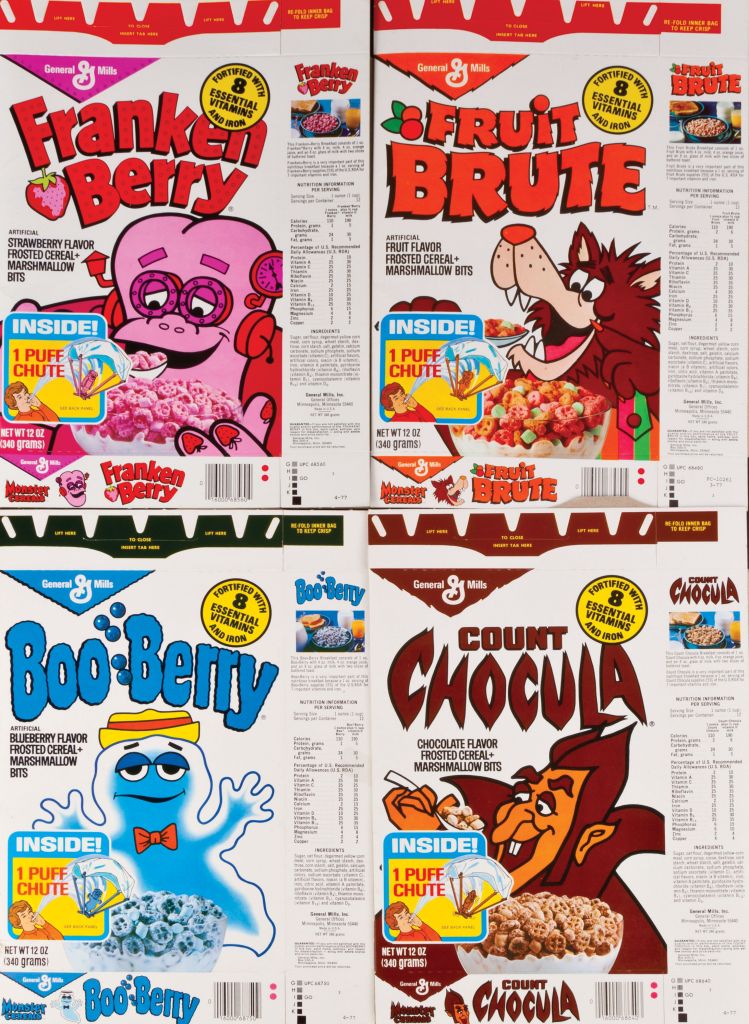
The heyday of fruit-flavored and monster cereals filled children’s bowls with Count Chocula, Franken Berry and Boo Berry, General Mills products that still enjoy cult like followings.
70s *Count Chocula* Cereal Commercial
Vintage Old 1970’s Frankenberry and Count Chocula Cereal Commercial
Post’s Fruity Pebbles and Cocoa Pebbles were competitors in a decade when the Federal Trade Commission began taking a harder look at how cereal companies marketed their products to children, and when granola began its commercial comeback.
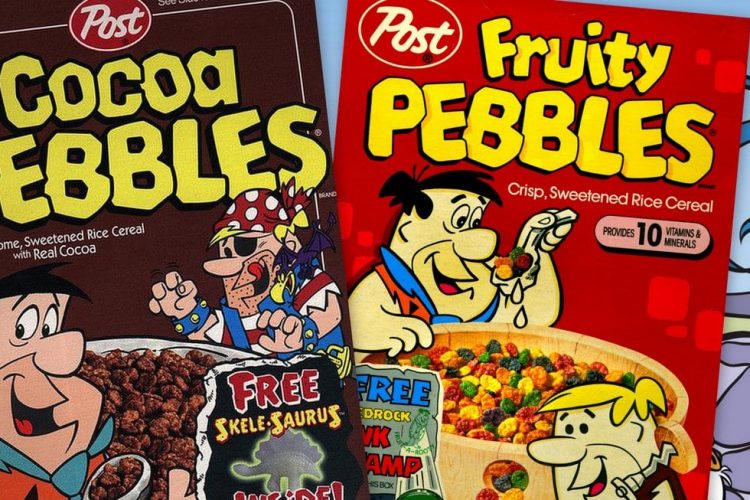
Flintstones 1970s Post Fruity & Cocoa Pebbles Cereal Commercial
Post: Fruity Pebbles and Cocoa Pebbles Cereal, 1970s 21
1980’s
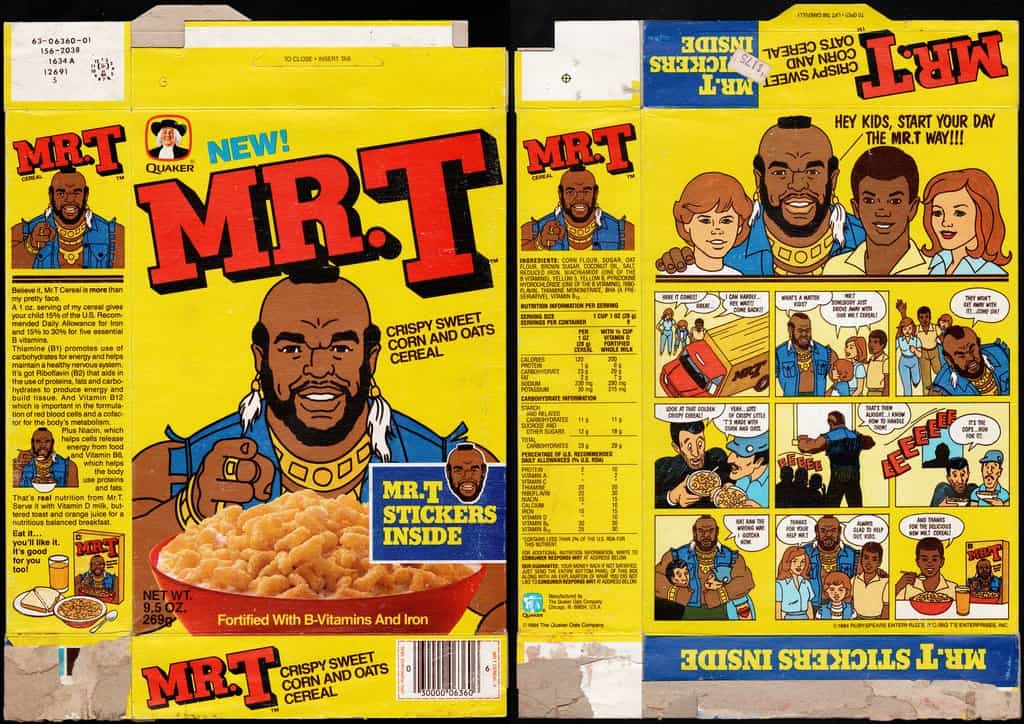
Co-branding cereal was the game. Mr. T had his own, made from sweetened corn and oats and shaped like a T. (In advertisements, he pitied the fool who didn’t eat it.)
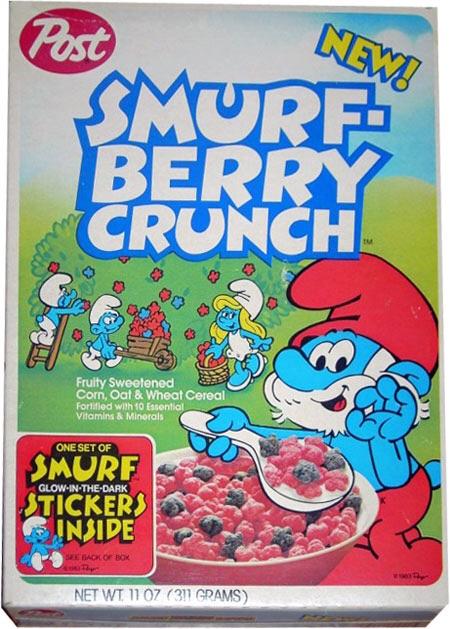
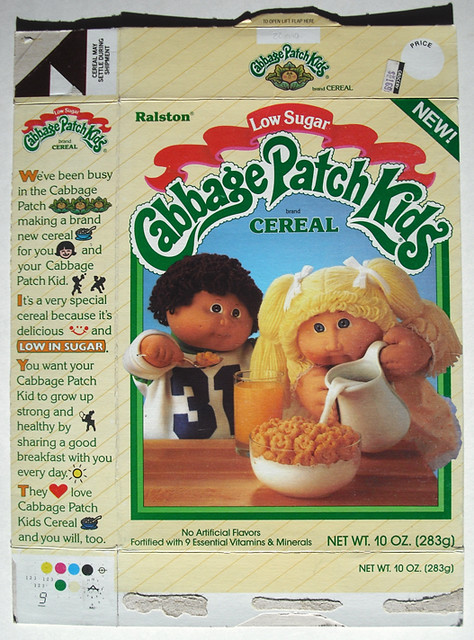
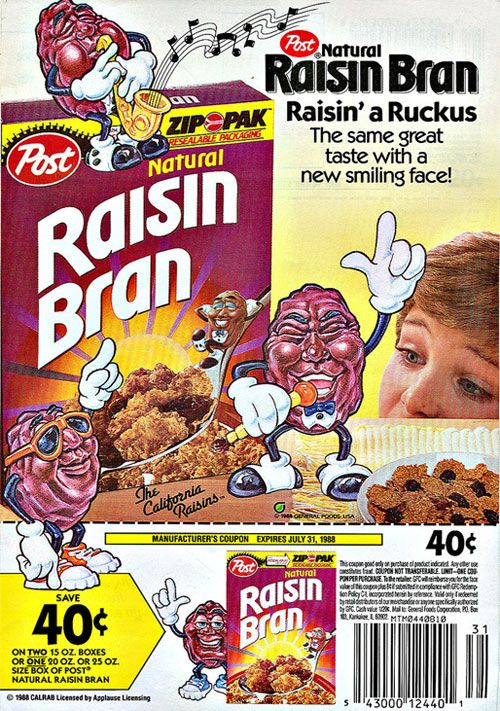
Donkey Kong, Smurf-Berry Crunch and Cabbage Patch Kids cereals also appeared, along with the California Raisins, the claymation quartet that promoted Post Raisin Bran.
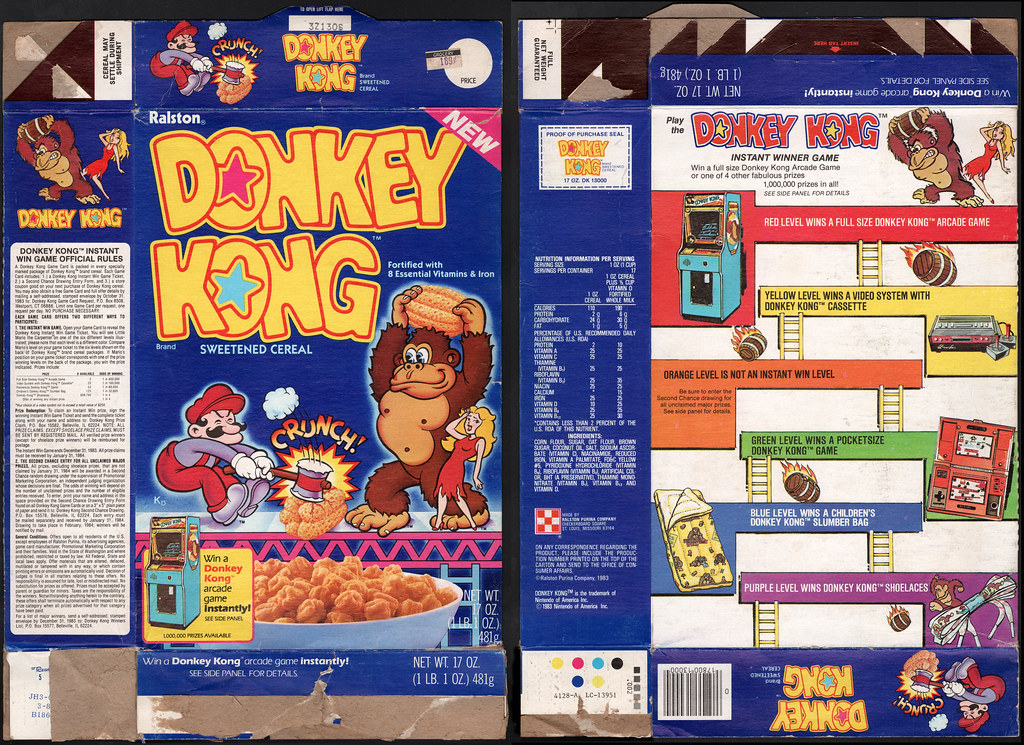
Donkey Kong Cereal Commercial 1983
Post Cereal Smurf Berry Crunch 1983 TV Commercial HD
80’s Ads: Cabbage Patch Kids Cereal 1985
Raisin Bran Commercial with California Raisins
California Raisins Heard it Through the Grapevine (Better Quality)
1990’s


Puffins, a molasses-sweetened corn cereal with roots in a small Northern California natural foods bakery, debuted as organic food went mainstream and parents increasingly searched out more healthful cereals. Gorilla Munch, an organic cereal that is part of Nature’s Path EnviroKidz line, soon followed.
Barbara’s Bakery Puffins Cereal
Gorilla Munch Commercial
2000’s

The battle of the virtuous cereals was on. Kellogg’s acquired the Kashi line, just one sign of the exploding market for natural and organic foods. These cereals also became targets for consumers demanding more transparency in labeling and more products without genetically modified or artificial ingredients. The current decade has been all about labeling. Cereals started being promoted as free of genetically modified organisms and gluten, or as containing specific nutrients. Even cereals like Dora the Explorer started selling themselves as whole grain. (NY Times) https://www.nytimes.com/interactive/2016/02/22/dining/history-of-cereal.html
Now that we have learned about Cereal through the years, TIME TO GET TO THE LISTENING PORTION. This day in History we were introduced to some amazing Music. Listen and enjoy music through the years.

1917
1st jazz record released on a 78 by Original Dixieland Jass Band for the Victor Talking Machine Company (“Dixie Jazz Band One Step,” one side “Livery Stable Blues” other)
- Original Dixieland Jass Band (ODJB) was founded in New Orleans in 1916. Their first jazz recording is dated 1917. In late 1917 it changed the name’s spelling to “Jazz.”
- L’ODJB first members were: Larry Shields (clarinet), Eddie Edwards (trombone), Henry Ragas (piano), Tony Sbarbaro (drums) e Nick LaRocca (cornet).
1939
Guy Lombardo and his Royal Canadians recorded “Auld Lang Syne.”
1957
The Tune Weavers record “Happy Happy Birthday Baby.”
1966
1966 Tina Turner records “River Deep, Mountain High.”
1968
1968 Elvis Presley records “Wonderful World,” “Edge Of Reality,” and “A Little Less Conversation.”
1985
The song “We Are the World” was heard on the radio for the first time.
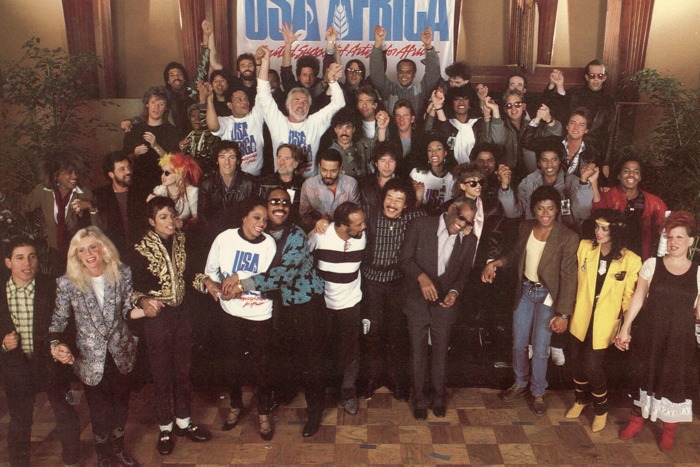
On January 28, 1985, the music industry and the world came together in an unprecedented outpouring of generosity in response to the tragic famine wreaking havoc in Africa at the time. The biggest names in music ‘checked their egos at the door’ to create what was and still is a worldwide phenomenon. The recording of We Are The World. (Usa Africa) http://usaforafrica.org/
It was written by Michael Jackson and Lionel Richie and produced by Quincy Jones and Michael Omartian for the album We Are the World. It featured 46 vocalists .
- Dan Aykroyd
- Harry Belafonte
- Lindsey Buckingham
- Kim Carnes
- Ray Charles
- Bob Dylan
- Sheila E.
- Bob Geldof
- Hall and Oates
- James Ingram
- Jackie Jackson
- LaToya Jackson
- Marlon Jackson
- Michael Jackson
- Randy Jackson
- Tito Jackson
- Al Jarreau
- Waylon Jennings “Pop-Up Video” stated that he left the recording session due to a dispute over the lyrics.
- Billy Joel
- Cyndi Lauper
- Huey Lewis and the News
- Kenny Logins
- Bette Midler
- Willie Nelson
- Jeffery Osborne
- Steve Perry
- The Pointer Sisters
- Lionel Richie
- Smokey Robinson
- Kenny Rogers
- Diana Ross
- Paul Simon
- Bruce Springsteen
- Tina Turner
- Dionne Warwick
- Stevie Wonder
- Michael Boddicker – Synthesizers, Programming
- Paulinho da Costa – Percussion
- Louis Johnson – Bass
- Quincy Jones – Producer
- Michael Omartian – Keyboards, Producer
- Greg Phillinganes – Keyboards
- John Robinson – Drums https://www.vulture.com/2015/03/37-we-are-the-world-performers-ranked.html
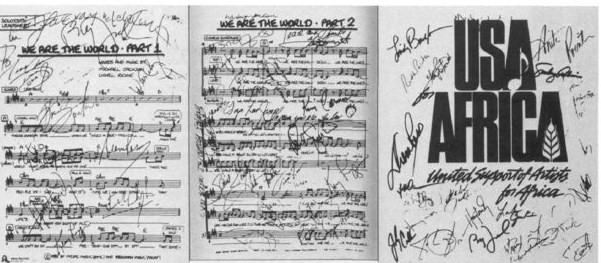
Soloists: Lionel Richie, Stevie Wonder, Paul Simon, Kenny Rogers, James Ingram, Tina Turner, Billy Joel, Michael Jackson, Diana Ross, Dionne Warwick, Willie Nelson, Al Jarreau, Bruce Springsteen, Kenny Loggins, Steve Perry, Daryl Hall, Huey Lewis, Cyndi Lauper, Kim Carnes, Bob Dylan and Ray Charles (IMDB)
Other performers: Dan Aykroyd, Harry Belafonte, Lindsey Buckingham, Mario Cipollina, Johnny Colla, Sheila E., Bob Geldof, Bill Gibson, Chris Hayes, Sean Hopper, Jackie Jackson, La Toya Jackson, Marlon Jackson, Randy Jackson, Tito Jackson, Waylon Jennings, Bette Midler, John Oates, Jeffrey Osborne, Anita Pointer, June Pointer, Ruth Pointer and Smokey Robinson (IMDB) https://www.imdb.com/title/tt0268756/
The song was released on March 7, 1985, as the first single from the album. A worldwide commercial success, topping music charts throughout the world and becoming the fastest-selling American pop single in history. The first ever single to be certified multi-platinum, “We Are the World” received a Quadruple Platinum certification by the Recording Industry Association of America.
Awarded numerous honors—including three Grammy Awards, one American Music Award, and a People’s Choice Award—the song was promoted with a critically received music video, a home video, a special edition magazine, a simulcast, and several books, posters, and shirts. The promotion and merchandise aided the success of “We Are the World” and raised over $63 million (equivalent to $147 million today) for humanitarian aid in Africa and the US. (Wikipedia) https://en.wikipedia.org/wiki/We_Are_the_World
1987
The Beastie Boys appear on Soul Train, where they perform “Brass Monkey.” They win over host Don Cornelius, who tells them, “You’re very chilling, very hip, and we like your music.”
1987 New Order release “Blue Monday,” which becomes the biggest-selling 12-inch single of all time. The track is reissued twice by the band: in 1988 and 1995. Despite massive success in Europe and on the specialist dance chart, only the 1988 Quincy Jones remix makes it to the mainstream Billboard Hot 100, peaking at #68.
Alexander Graham Bell Day
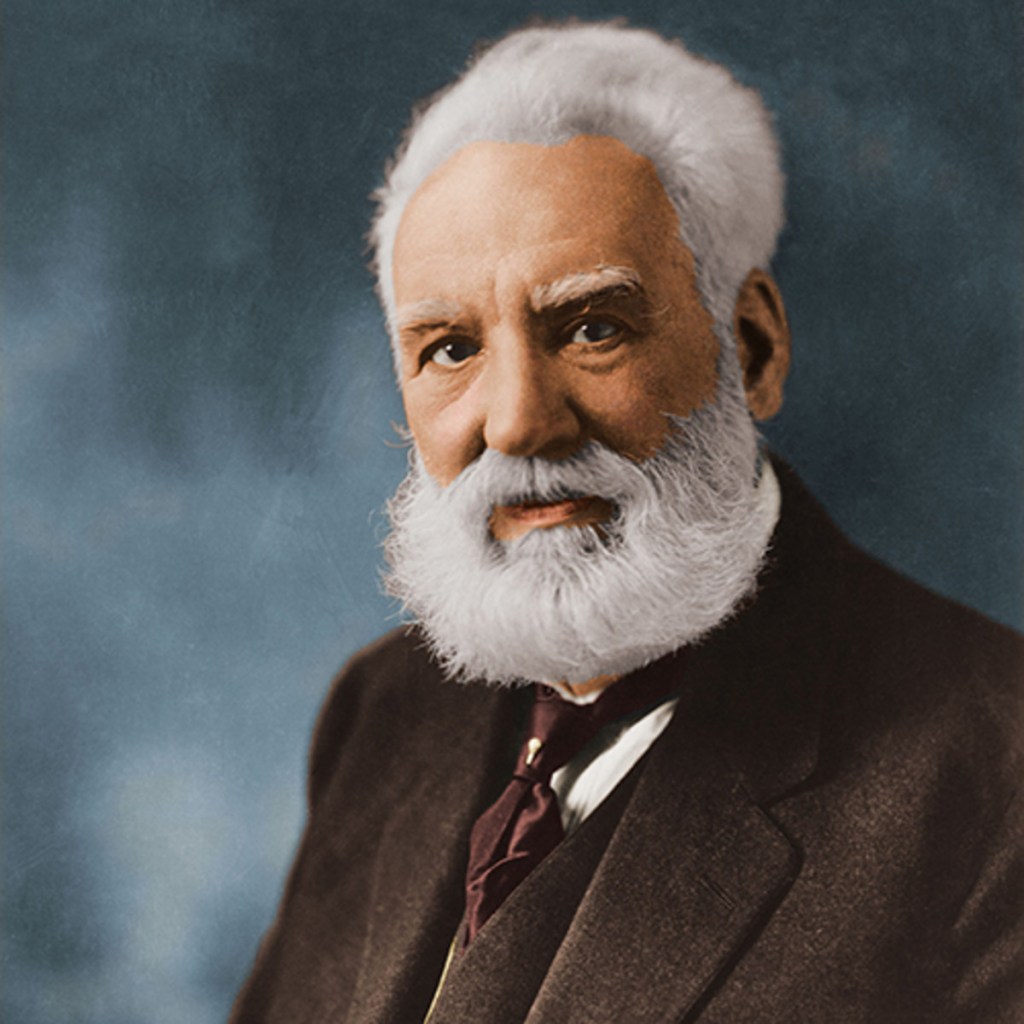
this day in 1876 when Alexander Graham Bell was granted a patent for the technology that would later become the telephone. On March 7, 1876, Alexander Graham Bell was granted a patent for “transmitting vocal or other sounds telegraphically.” Three days later, on March 10, Bell uttered the famous words “Mr. Watson, come here, I want to see you” into a transmitter. His assistant, Thomas Watson, who was in the next room, heard the words clearly and thus, the first telephone was created.
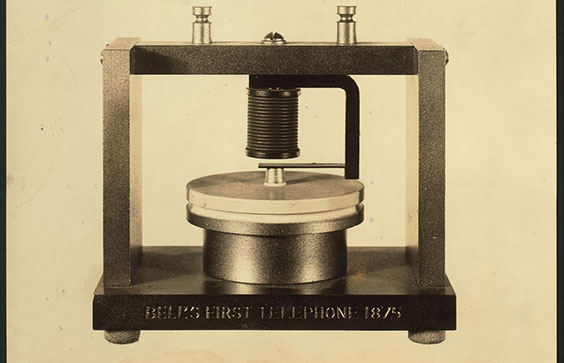
First Bell Telephone, June 1875. Emile Berliner collection, Motion Picture, Broadcasting and Recorded Sound Division, Library of Congress.
Five Alexander Graham Bell Inventions You Didn’t Know About
- Wheat Husker
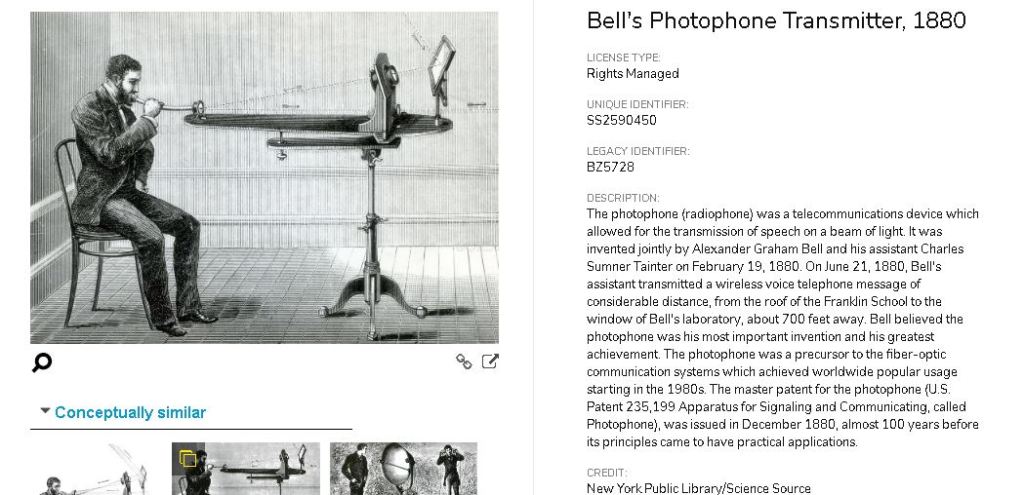
- Photophone: The photophone allowed transmission of speech on a beam of light. (History)
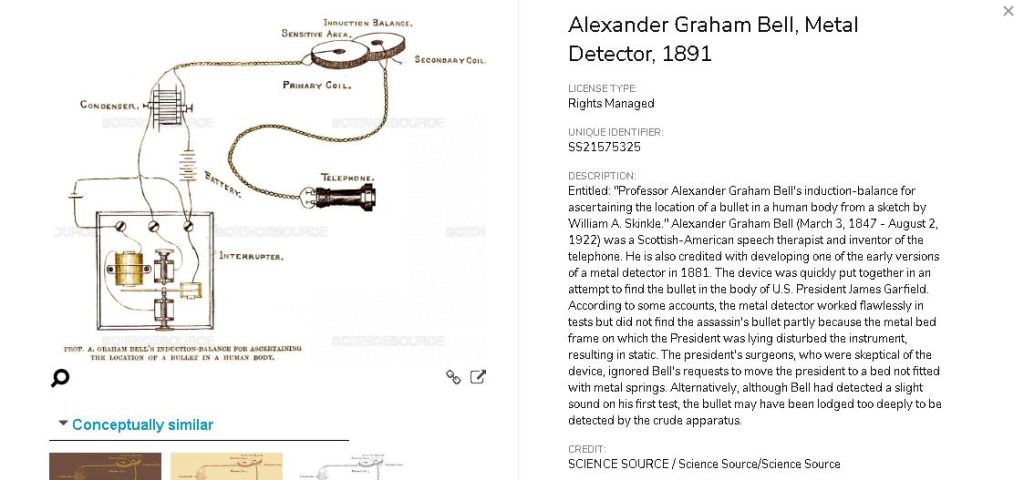
3. Metal Detector: Bell initially came up with this device to locate a bullet inside of assassinated President James A. Garfield. ( History)
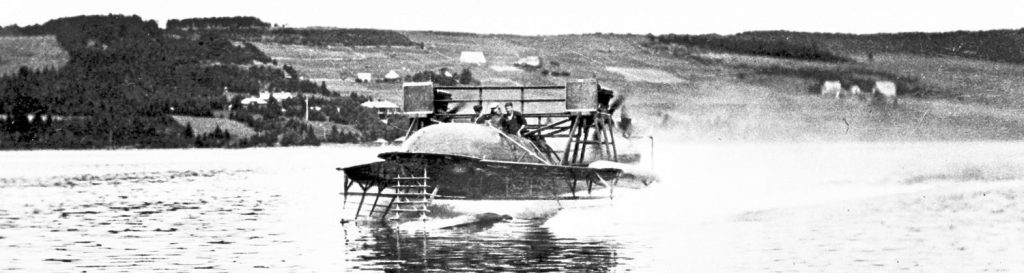
4. Hydrofoil boat
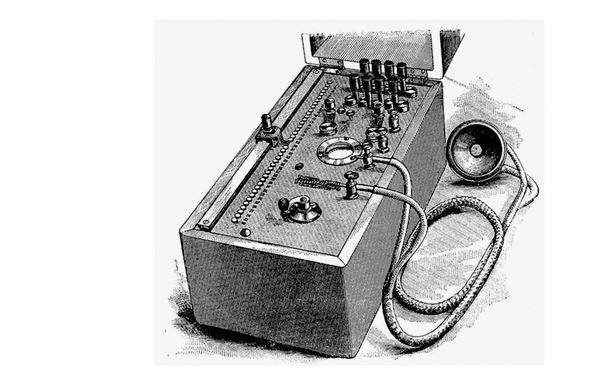
4. Audiometer: This gadget was used to detect hearing problems. (History)
Quotes by Bell
While Bell is typically known for what he invented, he’s also remembered for what he said and wrote. Some famous quotes attributed to Bell include:
- “When one door closes another door opens; but we so often look so long and so regretfully upon the closed door, that we do not see the ones which open for us.”
- “A man’s own judgment should be the final appeal in all that relates to himself.”
- “Before anything else, preparation is the key to success.”
- “Concentrate all your thoughts upon the work at hand. The sun’s rays do not burn until brought to focus.”
- “Great discoveries and improvements invariably involve the cooperation of many minds.”
- “The most successful men in the end are those whose success is the result of steady accretion.”
- “The only difference between success and failure is the ability to take action.”
- “You cannot force ideas. Successful ideas are the result of slow growth.”
- “The inventor looks upon the world and is not contented with things as they are. He wants to improve whatever he sees, he wants to benefit the world; he is haunted by an idea. The spirit of invention possesses him, seeking materialization.”
History Link for facts on Alexander Graham Bell https://www.history.com/topics/inventions/alexander-graham-bell

I have enjoyed researching these topics for you today! I hope that you have enjoyed hanging with me today. If you liked this post, please feel free to; Comment, like, Share, and Subscribe to my Page (Via the right side of my Home page). Hope to see you soon!

 Angelika's World