
I was really hoping that I could skip this topic, but with people disregarding advice, I will have to address the Topic Myself. Ok Guys, COVID 19 is a Serious Virus! It is Spreading like Wildflowers and must be contained. If we don’t take this Virus seriously, it will continue to Kill people, Maybe even a Loved one. My Family and I are taking the Recommendations and in some cases Mandates seriously. Our State (Oklahoma) is under a 15 day Stay Home Mandate. This means that we are only allowed to go to work and get Medicines or Groceries. I strongly encourage everyone to do this. You can help Curve the spread of the Virus by doing the Right Things. This blog post will tell you the Right things you should be doing. We will start with what we know, then go into what you should be doing to Curb the spread, and then how to survive being in Quarantine.

What is a Corona Virus?
Coronaviruses are a large family of viruses which may cause illness in animals or humans. In humans, several Corona Viruses are known to cause respiratory infections ranging from the common cold to more severe diseases such as Middle East Respiratory Syndrome (MERS) and Severe Acute Respiratory Syndrome (SARS). The most recently discovered Coronavirus causes Coronavirus Disease COVID-19.

Symptoms of Corona Virus
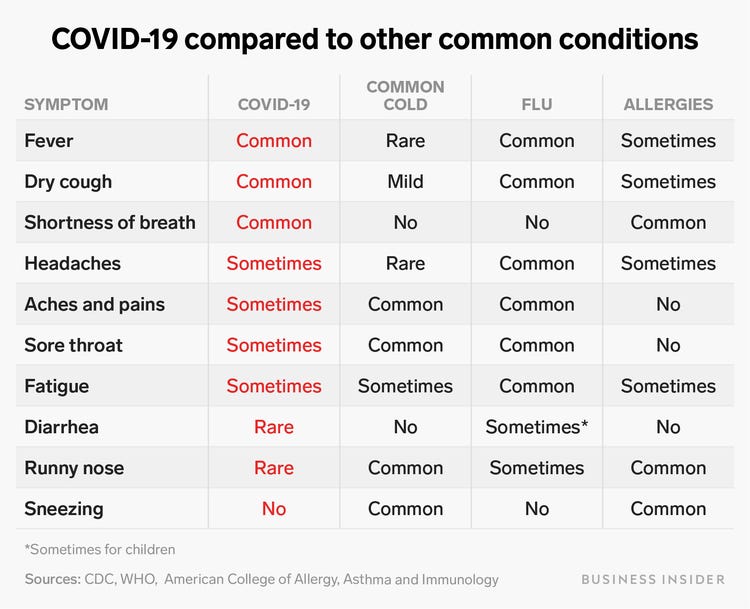
The most common symptoms of COVID-19 are; fever, tiredness, and dry cough.
Some patients may have; aches and pains, nasal congestion, runny nose, Loss of sense of Taste and smell, sore throat or diarrhea.
These symptoms are usually mild and begin gradually. Some people become infected but don’t develop any symptoms and don’t feel unwell. Most people (about 80%) recover from the disease without needing special treatment.
Around 1 out of every 6 people who gets COVID-19 becomes seriously ill and develops difficulty breathing. Older people, and those with underlying medical problems like high blood pressure, heart problems or diabetes, are more likely to develop serious illness. People with fever, cough and difficulty breathing should seek medical attention.

How it is Spread
People can catch COVID-19 from others who have the virus. The disease can spread from person to person through small droplets from the nose or mouth which are spread when a person with COVID-19 coughs or exhales. These droplets land on objects and surfaces around the person.
Other people then catch COVID-19 by touching these objects or surfaces, then touching their eyes, nose or mouth. People can also catch COVID-19 if they breathe in droplets from a person with COVID-19 who coughs out or exhales droplets. This is why it is important to stay more than 1 meter (3 feet) away from a person who is sick.

Can CoVID-19 be caught from a person who has no symptoms?
The main way the disease spreads is through respiratory droplets expelled by someone who is coughing. The risk of catching COVID-19 from someone with no symptoms at all is very low. However, many people with COVID-19 experience only mild symptoms. This is particularly true at the early stages of the disease. It is therefore possible to catch COVID-19 from someone who has, for example, just a mild cough and does not feel ill. WHO is assessing ongoing research on the period of transmission of COVID-19 and will continue to share updated findings.
WHO is assessing ongoing research on the ways COVID-19 is spread and will continue to share updated findings.

Protection Measures for Everyone
You can reduce your chances of being infected or spreading COVID-19 by taking some simple precautions:
- Regularly and thoroughly clean your hands with an alcohol-based hand rub or wash them with soap and water.
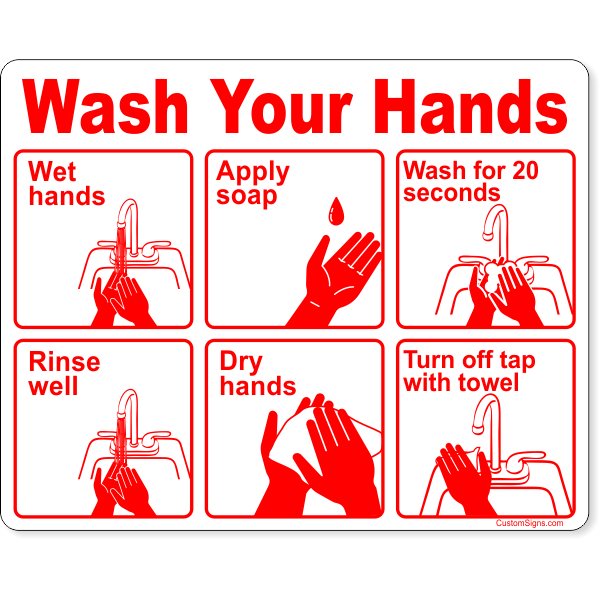
Why? Washing your hands with soap and water or using alcohol-based hand rub kills viruses that may be on your hands.
How soap kills the Coronavirus
10 songs for your coronavirus hand-washing routine that aren’t ‘Happy Birthday’ https://ew.com/music/coronavirus-covid-19-hand-wash-songs/
20-Second Parodies for Handwashing
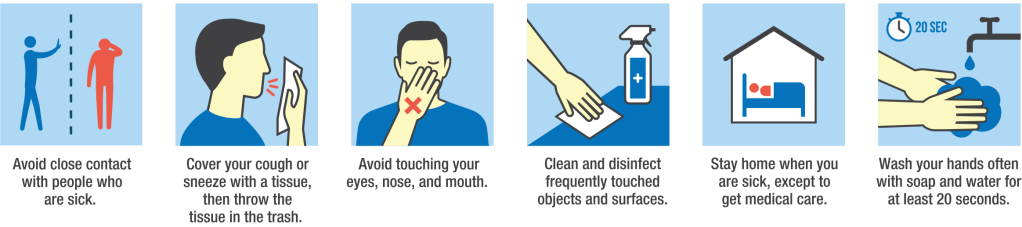
- Maintain at least 1 metre (3 feet) distance between yourself and anyone who is coughing or sneezing.
Why? When someone coughs or sneezes, they spray small liquid droplets from their nose or mouth which may contain virus. If you are too close, you can breathe in the droplets, including the COVID-19 virus if the person coughing has the disease.
Why 6 feet away? The science behind “social distancing” | ABC7
- Avoid touching eyes, nose and mouth.
Why? Hands touch many surfaces and can pick up viruses. Once contaminated, hands can transfer the virus to your eyes, nose or mouth. From there, the virus can enter your body and can make you sick.
Wellness 101 Show Quick Tip – Stop Touching Your Face
- Make sure you, and the people around you, follow good respiratory hygiene. This means covering your mouth and nose with your bent elbow or tissue when you cough or sneeze. Then dispose of the used tissue immediately.
Why? Droplets spread virus. By following good respiratory hygiene, you protect the people around you from viruses such as cold, flu and COVID-19.
- Stay home if you feel unwell. If you have a fever, cough and difficulty breathing, seek medical attention and call in advance. Follow the directions of your local health authority.
Why? National and local authorities will have the most up to date information on the situation in your area. Calling in advance will allow your health care provider to quickly direct you to the right health facility. This will also protect you and help prevent spread of viruses and other infections.
Stay Home Vogue (Vogue Corona Parody by Chris Mann)
Stay at Home Frozen Version
- Keep up to date on the latest COVID-19 hotspots (cities or local areas where COVID-19 is spreading widely). If possible, avoid traveling to places – especially if you are an older person or have diabetes, heart or lung disease.
Why? You have a higher chance of catching COVID-19 in one of these areas.

Should I wear a mask to protect myself?
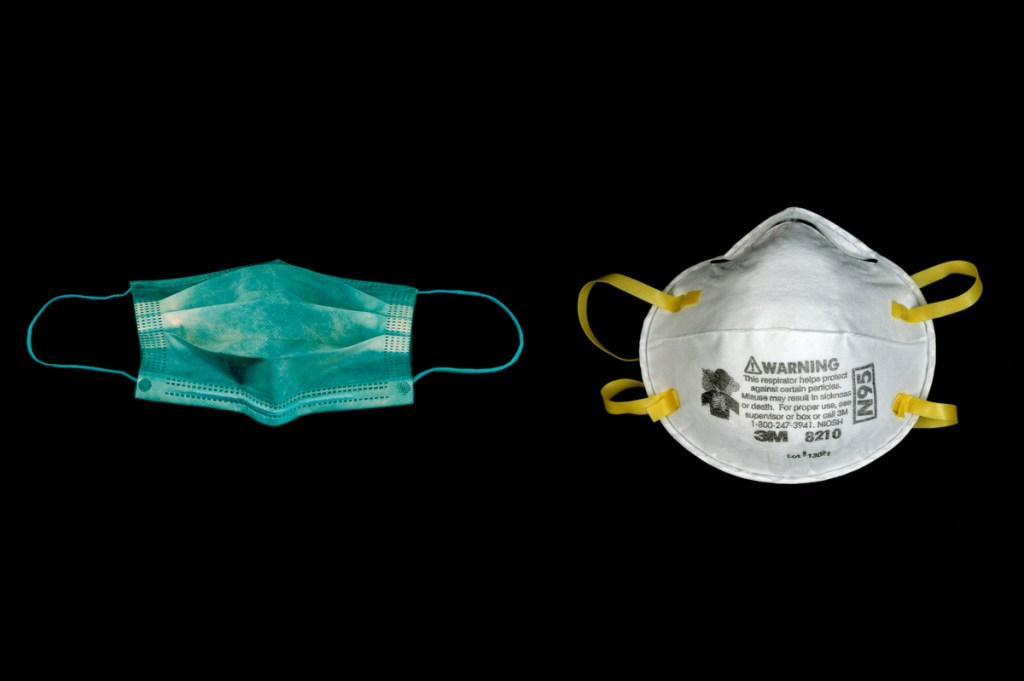
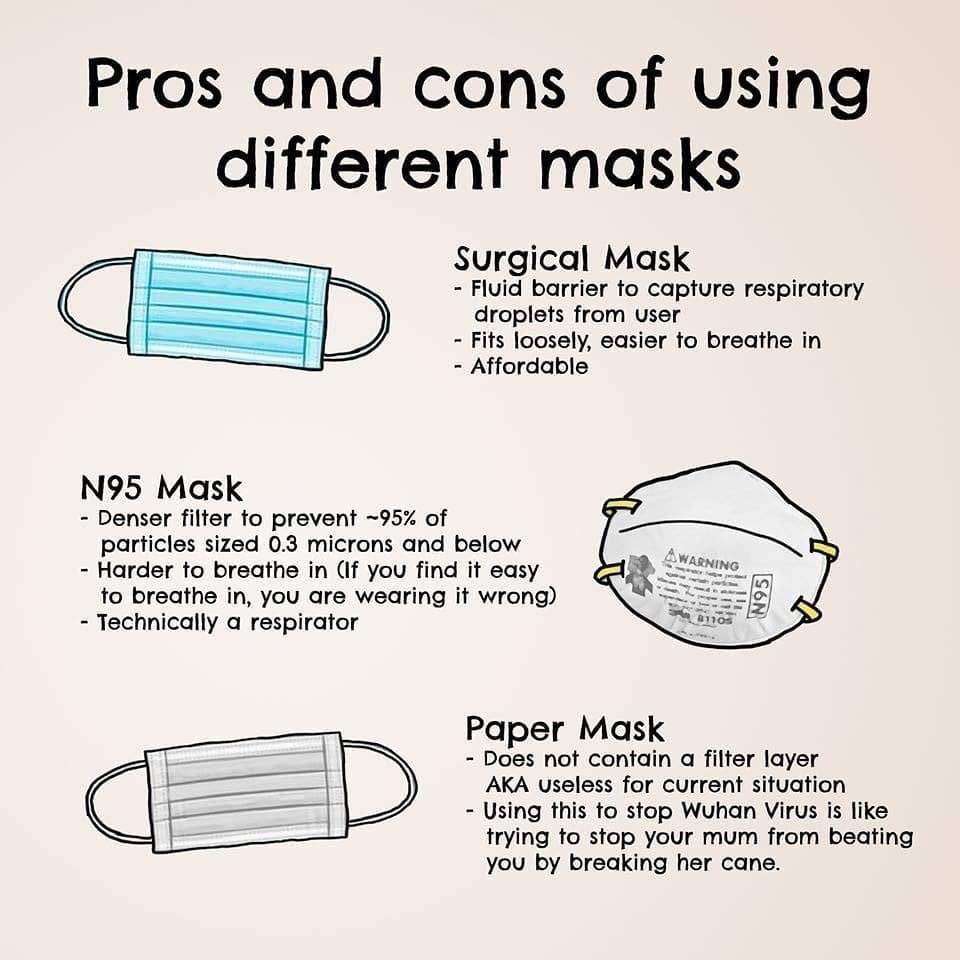
Only wear a mask if you are ill with COVID-19 symptoms (especially coughing) or looking after someone who may have COVID-19. Disposable face mask can only be used once. If you are not ill or looking after someone who is ill then you are wasting a mask. There is a world-wide shortage of masks, so WHO urges people to use masks wisely.
How long is the incubation period for COVID-19?
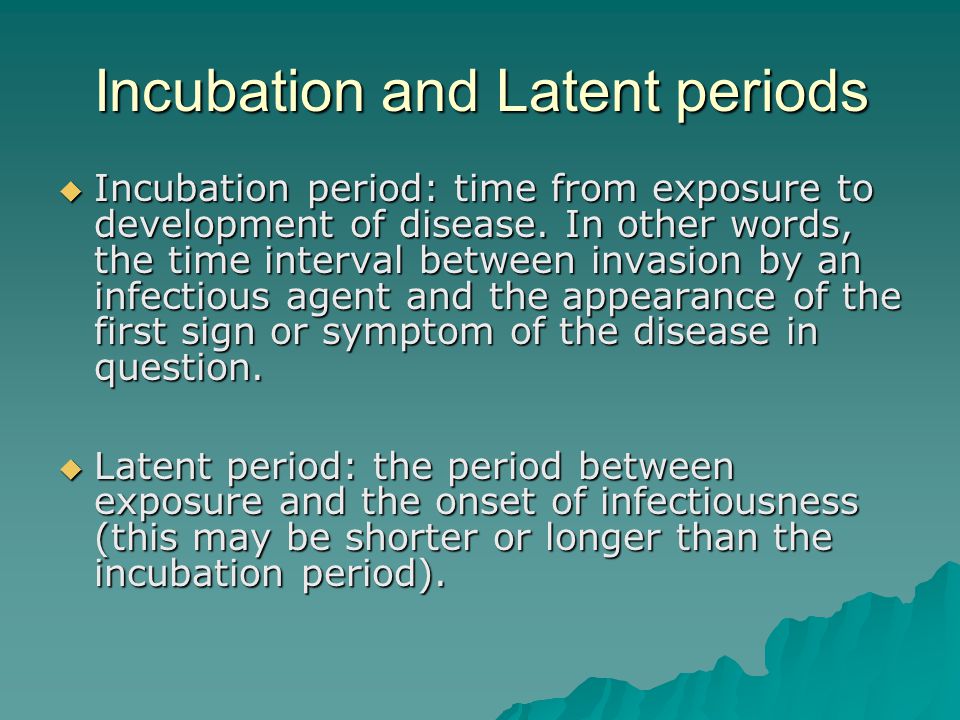
The “incubation period” means the time between catching the virus and beginning to have symptoms of the disease. Most estimates of the incubation period for COVID-19 range from 1-14 days, most commonly around five days. (World Health Organization) https://www.who.int/news-room/q-a-detail/q-a-coronaviruses#:~:text=symptoms

Allergy Symptoms VS COVID-19 Symptoms
What are Allergies?
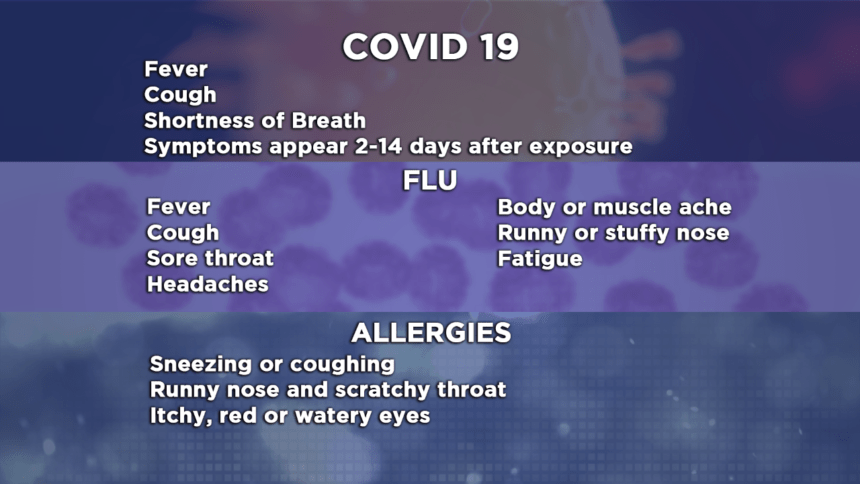
Allergies are caused by a response in the immune system and are not contagious. Medications can treat your symptoms, and immunotherapy can help those with allergies find relief.
Symptoms of Allergies
Symptoms of seasonal allergies range from mild to severe and occur seasonally. The most common include:
- sneezing
- runny or stuffy nose
- watery and itchy eyes
- itchy sinuses, throat, or ear canals
- ear congestion
- postnasal drainage
Less Common Symptoms of Allergies Include:
- headache
- shortness of breath
- wheezing
- coughing

The Symptoms of The Coronavirus
- Fever (100 degrees Fahrenheit (37.7 degrees Celsius) for children and adults).
- Dry Cough ( that you feel in your chest)
- Shortness of breath (If your chest becomes tight or you begin to feel as if you cannot breathe deeply enough to get a good breath, that’s a sign to act)
- muscle pain
- fatigue
Less Common Symptoms of Corona Virus Include:
- Loss of sense of Smell
- Loss of sense of Taste
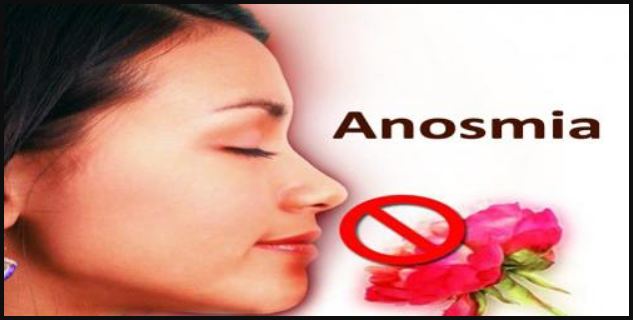
Anosmia is the loss of smell.
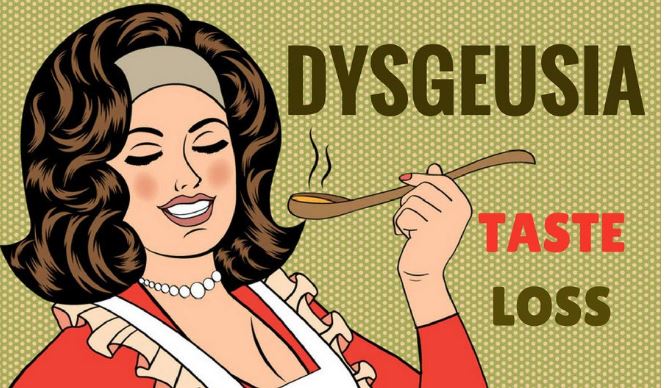
Dysgeusia is an altered sense of taste.

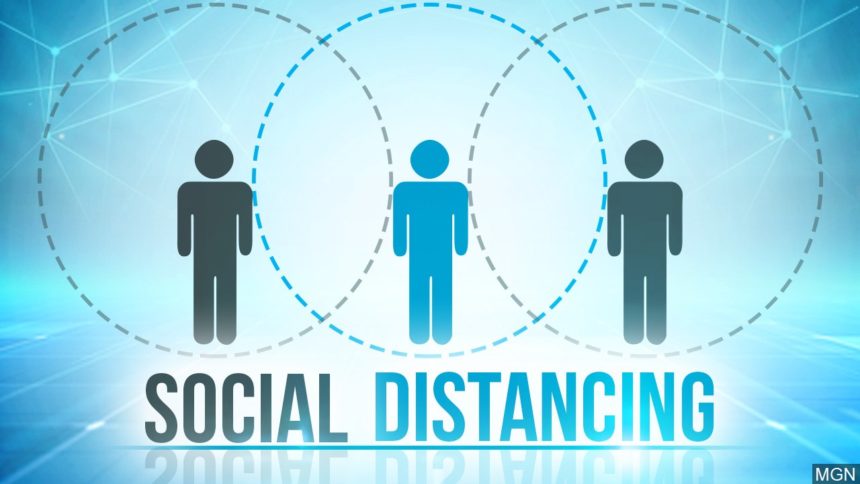
To Beat COVID-19, Social Distancing is a Must
Many have wondered if we couldn’t simply protect ourselves by avoiding people with symptoms of respiratory illness. Unfortunately, the answer is no. A new study shows that simply avoiding symptomatic people will not go far enough to curb the COVID-19 pandemic. That’s because researchers have discovered that many individuals can carry the novel coronavirus without showing any of the typical symptoms of COVID-19: fever, dry cough, and shortness of breath. But these asymptomatic or only mildly ill individuals can still shed virus and infect others. (National Institute of Health) https://directorsblog.nih.gov/2020/03/19/to-beat-covid-19-social-distancing-is-a-must/
What is Social Distancing?
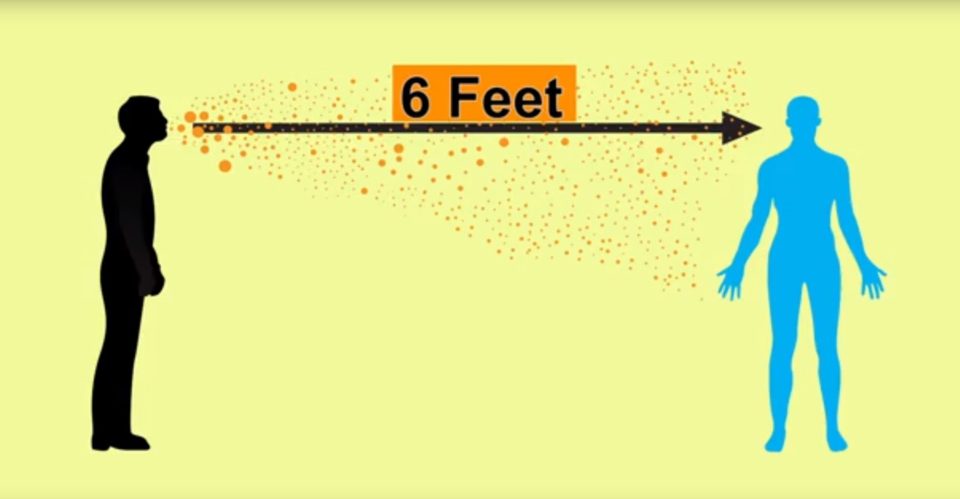
Social distancing is deliberately increasing the physical space between people to avoid spreading illness. Staying at least six feet away from other people lessens your chances of catching COVID-19.
- Working from home instead of at the office
- Closing schools or switching to online classes
- Visiting loved ones by electronic devices instead of in person
- Cancelling or postponing conferences and large meetings


What is Self-Quarantine?
People who have been exposed to the new coronavirus and who are at risk for coming down with COVID-19 might practice self-quarantine. Health experts recommend that self-quarantine lasts 14 days. Two weeks provides enough time for them to know whether or not they will become ill and be contagious to other people.
You might be asked to practice self-quarantine if you have recently returned from traveling to a part of the country or the world where COVID-19 is spreading rapidly, or if you have knowingly been exposed to an infected person.
Self-Quarantine involves:
- Using standard hygiene and washing hands frequently
- Not sharing things like towels and utensils
- Staying at home
- Not having visitors
- Staying at least 6 feet away from other people in your household

Take your shoes off at the door!
Now, science is backing up this hygienic practice and revealing that what you pick up on your shoes is not just a few germs and dirt, but rather nasty customers who should never be allowed into your home! Well, there will be a disgusting quantity of dust, bird droppings, dog poop, leafy debris and other unwanted matter. The leafy stuff acts as a breeding ground for bacteria.
The University of Arizona decided to assess the quantity of bacteria and they were not disappointed – they found 421,000 different units! These can be categorized into 9 different strains. They are the cause of infections in the eyes, lungs and stomach. Two of these are certainly worth mentioning so you can reach for your slippers the moment you get home.
The first one is known as E.coli (a pathogenic organism) and it makes up about a third of all bacteria so it is a heavyweight. E.coli strains are mostly harmless, thank goodness, but the nasty ones (like E.coli 0157:H7) are not. They often cause severe stomach and intestinal problems leading to vomiting and diarrhea. Now, you might think the risk of contacting the E.coli bacteria from your shoes is minimal. But let me ask you a question: How many times did you visit the restrooms at work today?
Another type of bacteria the researchers found was the Klebsiella pneumoniae which is known to cause severe damage to the lungs and lead to pneumonia. The death rate from this bacteria is high at 50% and can reach 100% when people are suffering from alcoholism. https://www.lifehack.org/317735/scientists-discover-why-you-should-take-off-your-shoes-before-entering-your-home
This Is How Dirty the Bottom of Your Shoes Are
Wearing Shoes in the House? Don’t!
Cleaning your Home
Know the difference between cleaning, disinfecting, and sanitizing
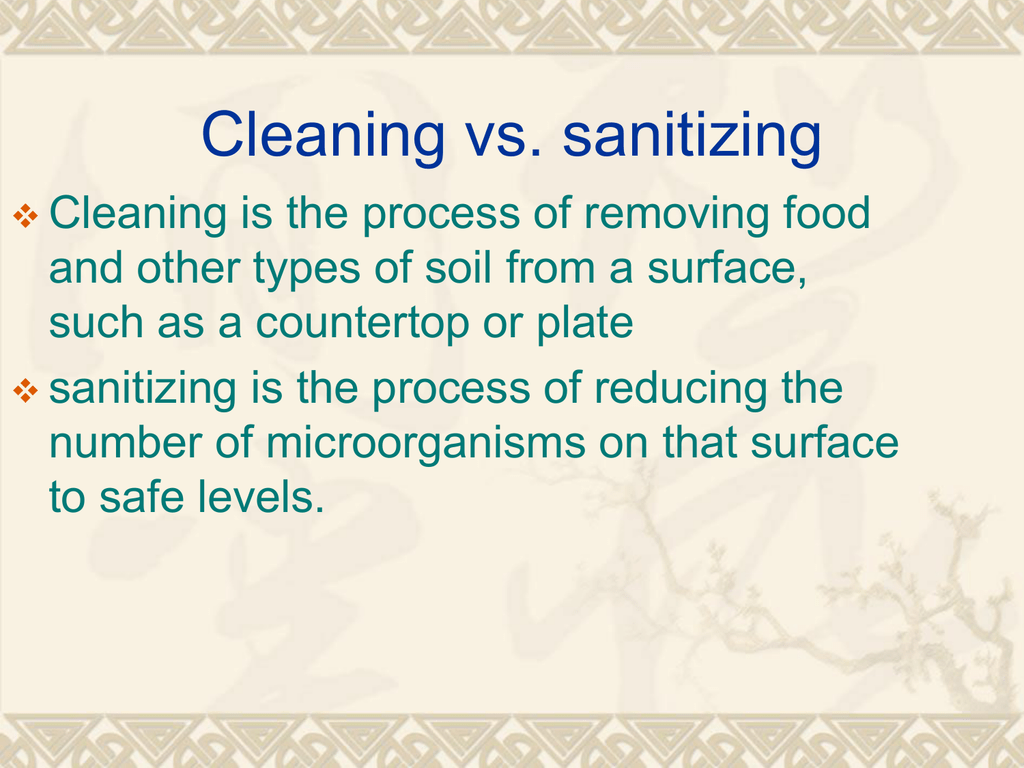
Cleaning removes germs, dirt, and impurities from surfaces or objects. Cleaning works by using soap (or detergent) and water to physically remove germs from surfaces. This process does not necessarily kill germs, but by removing them, it lowers their numbers and the risk of spreading infection.
Disinfecting kills germs on surfaces or objects. Disinfecting works by using chemicals to kill germs on surfaces or objects. This process does not necessarily clean dirty surfaces or remove germs, but by killing germs on a surface after cleaning, it can further lower the risk of spreading infection.
Clean and Disinfect Surfaces and objects that are touched often
Follow your Regular standard procedures for routine cleaning and disinfecting. Typically, this means daily sanitizing surfaces and objects that are touched often, such as desks, countertops, doorknobs, computer keyboards, hands-on learning items, faucet handles, phones, and toys. Some homes may also require daily disinfecting these items. Standard procedures often call for disinfecting specific areas of the Home, like bathrooms.
Immediately clean surfaces and objects that are visibly soiled. If surfaces or objects are soiled with body fluids or blood, use gloves and other standard precautions to avoid coming into contact with the fluid. Remove the spill, and then clean and disinfect the surface.
Simply do routine cleaning and disinfecting
It is important to match your cleaning and disinfecting activities to the types of germs you want to remove or kill. Most studies have shown that the virus can live and potentially infect a person for up to 48 hours after being deposited on a surface. Viruses are relatively fragile, so standard cleaning and disinfecting practices are sufficient to remove or kill them.
If surfaces are dirty, they should be cleaned using a detergent or soap and water prior to disinfection.
For disinfection, diluted household bleach solutions, alcohol solutions with at least 70% alcohol, and most common EPA-registered household disinfectants should be effective.
Diluted household bleach solutions can be used if appropriate for the surface. Follow manufacturer’s instructions for application and proper ventilation. Check to ensure the product is not past its expiration date. Never mix household bleach with ammonia or any other cleanser. Unexpired household bleach will be effective against coronaviruses when properly diluted.
Prepare a Bleach Solution by mixing:
5 tablespoons (1/3rd cup) bleach per gallon of water or
4 teaspoons bleach per quart of water
Clothing, Towels, Linens and other items that go in the laundry
Wear disposable gloves when handling dirty laundry from an ill person and then discard after each use. If using reusable gloves, those gloves should be dedicated for cleaning and disinfection of surfaces for COVID-19 and should not be used for other household purposes. Clean hands immediately after gloves are removed.
If no gloves are used when handling dirty laundry, be sure to wash hands afterwards.
If possible, do not shake dirty laundry. This will minimize the possibility of dispersing virus through the air.
Launder items as appropriate in accordance with the manufacturer’s instructions. If possible, launder items using the warmest appropriate water setting for the items and dry items completely. Dirty laundry from an ill person can be washed with other people’s items.
Clean and disinfect clothes hampers according to guidance above for surfaces. If possible, consider placing a bag liner that is either disposable (can be thrown away) or can be laundered. (CDC) https://www.cdc.gov/coronavirus/2019-ncov/prepare/cleaning-disinfection.html

When you need to go shopping for Groceries
Don’t Panic! Plan ahead ( write down essential items you are looking for) you may need to change your meal plans based on food supply, and only purchase what your household will use for the 15 days. Make sure that you are Social distancing while shopping. Please don’t touch produce and items that you do not intend on buying. You could leave your Germs on the items. When you get home, wash the produce under water. Wipe down the canned goods, packages, and boxes that you purchased. Wipe down all surfaces that the items touched prior to you cleaning them. Wash your hands up to your elbows and then change into clean clothing. You could even shower for good measure.

What to do if you are concerned you have COVID-19, according to State Health Departments
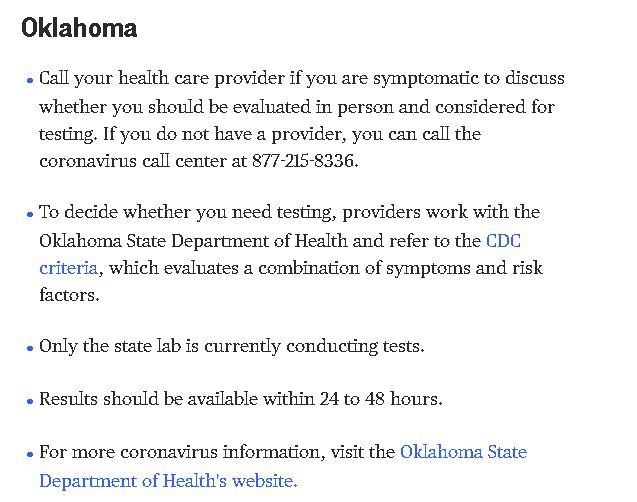
If you suspect that you have Covid 19 please call your local offices for what you should do. You can find your starts protocol at this website. https://www.nbcnews.com/health/health-news/coronavirus-testing-information-covid-19-tests-according-state-health-departments-n1158041

There it is! That is what you need to know, do, and look for with Corona Virus. I hope this post helps clear up some questions you have had regarding the Corona Virus. Please do the Right Thing and Stay Home! If you have to go out, Please practice Social Distancing, Hand-washing, and Don’t Panic Buy! If we all buy what we need and not way more than what we need, we will all be alright and no one will go hungry or not have the items that they truly need. If you found this post to be useful, please feel free to; Like, Comment, Share it, and Subscribe to my blog. I hope to see you soon!

 Angelika's World