
With the Holiday Season in full swing, it is easy to get overwhelmed. We are tasked with making the Holiday; Bright, Joyful, comforting, Festive, and Fun. We feel that obligated to deck the Halls to the max. We feel ashamed if we don’t have the picturesque Christmas that we are forced to see all over the Internet and Tv. We get anxious just thinking about all the Decorating, Shopping, Cleaning, Baking, and room prepping for those holiday guests. In short, we are stressed to the brink of all-out madness. We can’t disappoint our loved ones, especially around the Holidays. So, what do we do? Well, if we don’t have a suitable way to relieve this tension and aggravation, we explode all that pent-up borderline hatred for the Holidays onto our friends and loved ones. If only there was a way to avoid all of this. Have no fear, there is an alternative. This post will walk you through the steps of how to have a great Holiday season and keep your sanity and health.

Stress
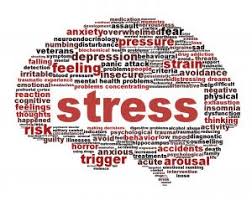
Stress is a normal reaction the body has when changes occur. It can respond to these changes physically, mentally, or emotionally. (Mayo Clinic)
What is Holiday Stress
“Holiday stress (or any kind of stress for that matter) is our mind and body’s response to the pressing responsibilities and demands of our lives. Stress is normal. When we experience a threat—whether it’s holiday traffic, passive-aggressive family members, or a family fight over Christmas dinner—our brains flood our bodies with stress hormones, like cortisol and adrenaline. Our bodies prepare to take action. Our heart rates spike. Our pupils dilate. Our muscles tighten.
In the short term, stress can be helpful. It keeps us focused and alert. But living in a chronic state of stress causes horrific damage to our mental and physical health. It’s like slamming your foot on the gas and the brakes at the same time. Eventually, the car engine melts, the brakes fail, and we run the car into the ground.
The holidays should be joyful and restorative, but they’re often demanding. And this season, we’ll need to give ourselves and others some grace—a lot of it. Make no mistake: Stressful events will happen. But here’s the exciting thing: We get to choose how we respond to those events”. (Ramsey Solutions)
Symptoms of Stress
- Headaches
- Tension in the Neck and Shoulders
- Dizziness
- Fatigue
- Poor Sleep
All these symptoms are a result of stress overload. Stress can affect our mental state too as it elevates levels of cortisol; a hormone that affects the function of the brain. This can result in a worrying, poor concentration, difficulty in making decisions, and uncontrollable thoughts. And to add to the list, emotional symptoms can present as irritability, feelings of being overwhelmed, anxiety, low self-esteem and depression. A person in a high state of stress can cause aggressive or defensive behavior, avoiding situations, poor communication, drinking too much alcohol, and smoking. It can exacerbate mood disorders too. (Well Being People)
Why is it so important to relax during the holidays and work on managing holiday stress?
- You can’t bring joy to others when you are stressed out! Managing holiday stress will help you have a more joyful holiday season.
- To quiet your mind and make you feel peaceful and calm. Your body also reacts when you relax. For example, your muscles may be less tense and more flexible.
- It also aids digestion as we absorb essential nutrients more efficiently when relaxed, which helps to fight off disease and infection.
- Relaxing aids positive thinking, concentration, memory and decision making.

How to De-Stress this Holiday Season
Clearly picture the Christmas you want to have.
“Set expectations for yourself and others by painting a picture of what you want your Christmas to look like. Who’s sitting around the table at mealtime? What are you all eating? What are you talking about—or not talking about? Are you laughing with your kids as you make Santa-shaped pancakes? Or are you holding hands with your spouse in front of the fire? Maybe you dusted off the old vinyl Christmas album, and you’re jamming away.
Whatever it is, keep that picture at the front of your mind. Share your picture with your loved ones so they can understand where you’re coming from. Ask them to paint a picture of what they want too so you can choose to honor them.
And if something comes up that threatens to take the place of what’s truly important to you and your family, give yourselves permission to say no. Let your calendar and to-do list reflect your picture of Christmas that you want to experience.
Avoid family conflict.
Even the best families can drive you crazy. So this year, before you even pack your bags, spend some time thinking about the potential conflicts that will pop up with family. If your dad has a pattern of talking bad about a particular group of people, don’t be surprised when he begins one of his rants. You can’t change him—but you do get to decide how you respond. You can ask him to stop, or you can get up and leave. Settle in your heart and your mind what you will and won’t tolerate.
Then, create a plan of action and send an email ahead of time to make it clear that you don’t want to talk about politics or your little brother’s addiction. And if someone violates that agreement while you’re there, you get to walk out. Pay attention to when you feel uncomfortable, awkward, unsafe, embarrassed or trapped. If someone is drunk or angry or using foul language, you get to decide to walk away”. (Ramsey Solutions)
Share Holiday “work” with friends and family.
“Consider asking friends or family members if they would like to share in the cooking to make everyone’s life easier. Have others bring over dishes so that you don’t have to spend the entire day cooking for Christmas dinner, Hanukkah dinner or to celebrate New Year’s.
Don’t look at your phone first thing in the morning.
Avoid your phone when you wake up. Keep your phone away from your bed so you can’t reach it or turn it off.
Technology stimulates your brain. Reading emails, news or other information on technological devices can excite you, disappoint you or stress you out. Try to ease into your day without the stimulation of technology and strong reactions”. (Forbes)
Get some sunlight
“It stimulates the production of feel-good serotonin and also helps relieve seasonal affective disorder (SAD), which impacts millions of Americans every year, Judith Orloff, MD, an assistant professor of psychiatry at the University of California, Los Angeles, tells Health.
To ease SAD symptoms, spend time outdoors or near a window on sunny days, or ask your doc about phototherapy (a treatment using a box that emits full-spectrum light).
Get outside and move.
Many people tend to put physical exercise on the back burner because they don’t feel like they have the time. During the holidays, make the time. Go for a run in the morning or a walk in the afternoon. Get some fresh air. You have the time, but you have to want to do it.
Sniff citrus essential oil
Researchers studying depression have found that certain citrus fragrances boost feelings of well-being and alleviate stress by upping levels of norepinephrine, a hormone that affects mood.
For an all-day pick-me-up, dab a little lemon or orange essential oil on a handkerchief to tuck in your pocket.
Do less, enjoy more
“We go overboard to please others during the holidays: shopping, cooking, sending cards, and attending every event,” George Pratt, PhD, a psychologist at Scripps Memorial Hospital La Jolla in California, tells Health. “Instead, take care of yourself by saying no at least once—and maybe more.”
Forget perfection
“Stop obsessing over doing it all. The world is not going to end if the house is a little cluttered or dinner is on the table a few minutes late. “Focus your energy on enjoying the people in your life,” Donna Schempp, the program director for the Family Caregiver Alliance, tells Health. Don’t sweat the small stuff and your holiday will be much more enjoyable!
Limit tech use
Constant cell phone buzzes and email alerts keep us in a perpetual fight-or-flight mode due to bursts of adrenaline. Not only is this exhausting, but it contributes to mounting stress levels, especially in women. What better time to turn your gadgets off than during a holiday get-together? Enjoy spending time with your family and friends without worry.
Savor a spicy meal
Hot foods trigger the release of endorphins—the natural chemicals that trigger feelings of euphoria and well-being, Dr. Kulze says.
Say yes, yes, yes!—to sex
In addition to boosting immunity, a satisfying romp can slay stress and raise self-esteem, experts say. Orgasms increase endorphins (natural painkillers) and raise oxytocin levels, which promotes sound sleep.
Turn up the tunes
Anxious? Listen to your favorite music, whether it’s Jingle Bell Rock or the latest from Jay-Z. Research from the University of Maryland shows that hearing music you love can relax blood vessels and increase blood flow. That not only calms you down but is good for your heart, too.
Add mango to your meal
Craving something sweet? Ditch the holiday cheesecake and try a delicious mango pie instead. The sweet, tangy scent of mangoes—whether they’re fresh or jarred—may alter your blood chemistry and send a wave of calm over your body, research in Pharmacognosy Review shows”. (Health)
Laugh!
Laughing like crazy reduces stress hormones. That, in turn, helps immune cells function better, psychologist Steve Wilson, founder of the World Laughter Tour, an organization that offers therapeutic-laughter training, tells Health. (Jackson Health)
- Stick to a budget. Before you do your gift and food shopping, decide how much money you can afford to spend. Then stick to your budget. Don’t try to buy happiness with an avalanche of gifts. (Mayo Clinic)
Try these alternatives:
- Donate to a charity in someone’s name.
- Give homemade gifts.
- Start a family gift exchange.
Watch your favorite holiday movies.
“This idea for relaxing during the holidays is definitely one of the most fun and festive ideas!
Spending an evening binge watching your favorite holiday movies is a great way to unwind and relax while staying in a joyful mood.
Note: I said YOUR favorite holiday movies. This is about keeping you relaxed so watch the movies you like not just your significant other or children’s favorite holiday movies. You can watch theirs another night!
Have a self-care night.
Self-care nights are always a great option for relaxing but during the holidays they are even more important.
It is so easy to get caught up in making sure your loved ones are all having a great holiday season that you forget to take care of yourself.
So, take a few hours at night to take care of yourself and do your favorite self-care items.
Bake your all-time favorite holiday treat.
Baking is a great way to focus on something more positive and it keeps you busy enough that you can’t be stressing about holiday things.
Light some candles and take a bubble bath.
This is a wonderful relaxation activity that can really help you unwind and destress during holiday times.
And you can make it feel more festive by lighting holiday scented candles and using holiday bath bombs or bubble bath”! (Korra Shay)
Breathe, reframe, redirect.
Interacting with family and friends you haven’t seen in a while can be a recipe for disaster. Make the decision to be responsive rather than reactive. People get angry and offended when comments or opinions become overly internalized. But it’s not always about you. A simple technique is to externalize frustrations — take a breath, then reframe anything negative as an issue that has to do with the other person rather than you. This isn’t a license to shift blame when you’re at fault, but it’s good to remember that you’re not always the problem.
De-Stress: to release bodily or mental tension : UNWIND
Dictionary
Step Away from The Screen
Uninterrupted computer use has been associated with stress, lost sleep and depression in women, according to a study from the University of Gothenburg, Sweden. In the same study, late night computer use was also associated with stress — in both men and women. Huffington Post
Get a Plant
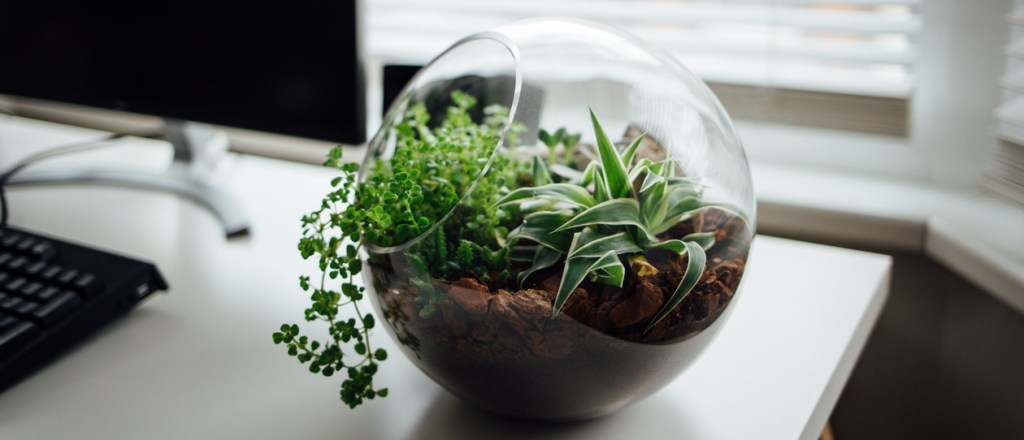
Plants aren’t just pleasing. They help change your environment and that can help with your stress levels. If you find that you get headaches by the end of the workday, it might not be those fluorescent lights. Prevention Magazine sites that studies show people who work near plants are less likely to suffer from fatigue and headaches. Plants are natural air purifiers, why not try it out at your office? (CBC)
Seven Plants that Help Relieve Stress


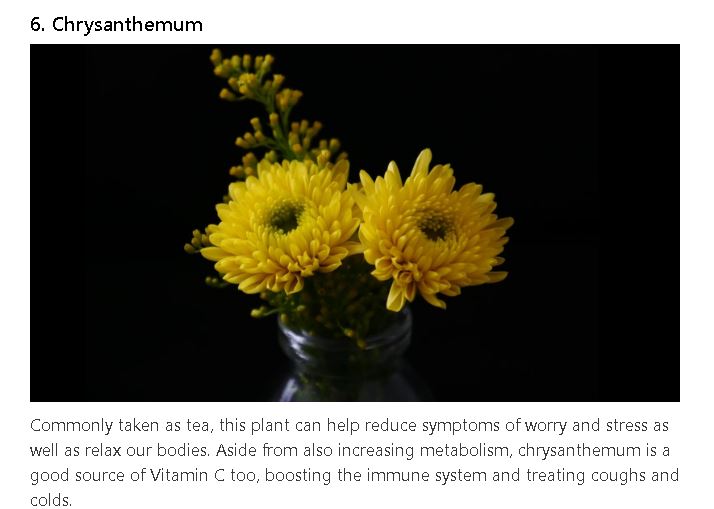


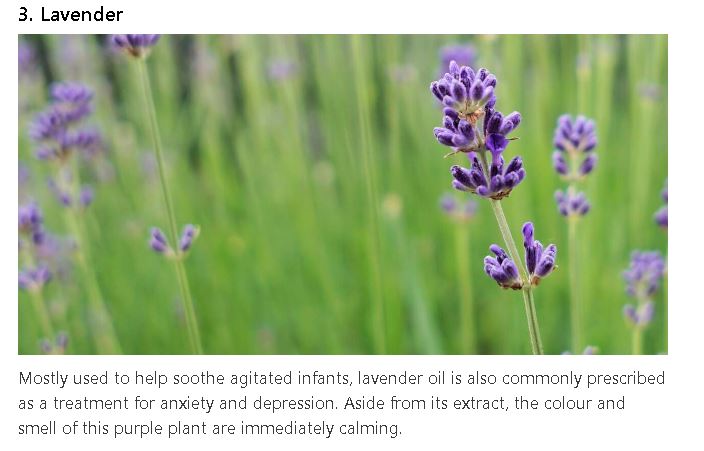
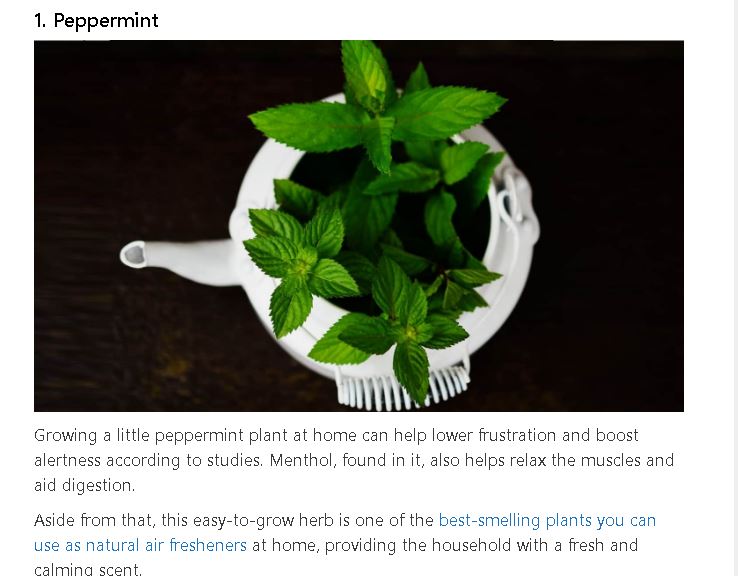
For more Plant Ideas, please visit this site. https://completehomespa.com/plants-for-anxiety/

Play with Animals/Pets

Any of us who have pets know they make us feel good. (CBC)

Pucker Up

Kissing relieves stress by helping your brain to release endorphins, reports WebMD. And that has real-life implications: In a study of 2,000 couples, Northwestern University researcher Laura Berman, Ph.D., found that those who only kissed when they had sex were eight times more likely to report feeling chronically stressed or depressed. (Huffington Post)
Treat Yourself! Eat One (ONE!) Candy
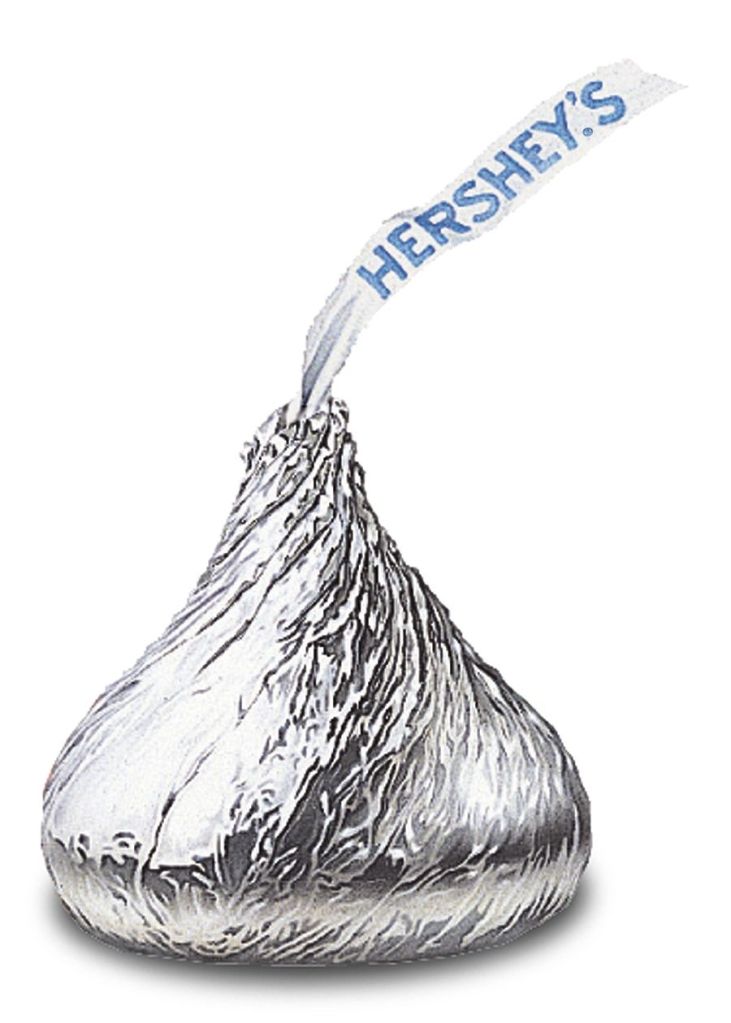
Eating or drinking something sweet is soothing because it stems the production of the stress hormone, glucocorticoid (which helps explain why we find ourselves staring down the barrel of an empty cookie package when things go haywire). While not an excuse to unleash your emotional eating on the office vending machine, a Hershey’s Kiss, peppermint candy or other reasonably-sized treat, can help. (Huffington Post)
Chew A Piece of Gum

Chewing gum doesn’t just make your breath better — it can relieve anxiety, improve alertness and reduce stress during episodes of multitasking, according to a 2008 study. ( Huffington Post)
Watch A Viral Video

A good laugh is a fine relaxation technique. “Laughter enhances your intake of oxygen-rich air, stimulates your heart, lungs and muscles, and increases the endorphins that are released by your brain,” explains the Mayo Clinic. (Huffington Post)
Eat A Banana (Or A Potato!)
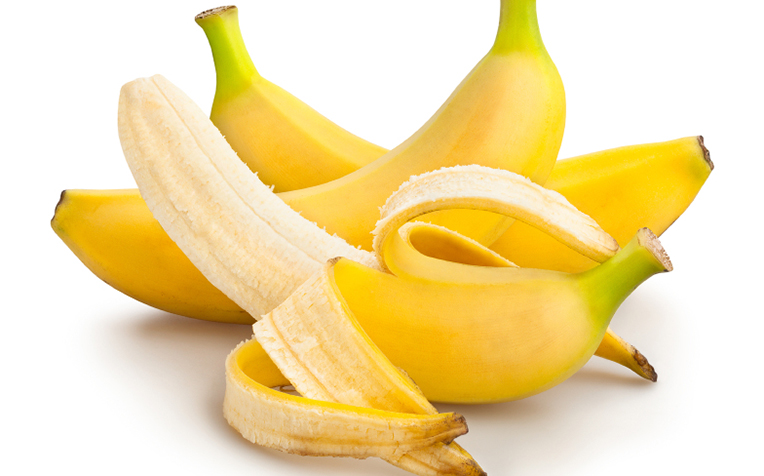
Potassium helps to regulate blood pressure, which rises during times of stress. Some people find that eating a banana when they’re feeling stressed can help improve energy and recovery. And research shows that it can protect your body from the negative effects of stress, like increased risk of heart attack and stroke. The American Psychological Association recommends it to stave off the physical detriments of stress as well. (Huffington Post)
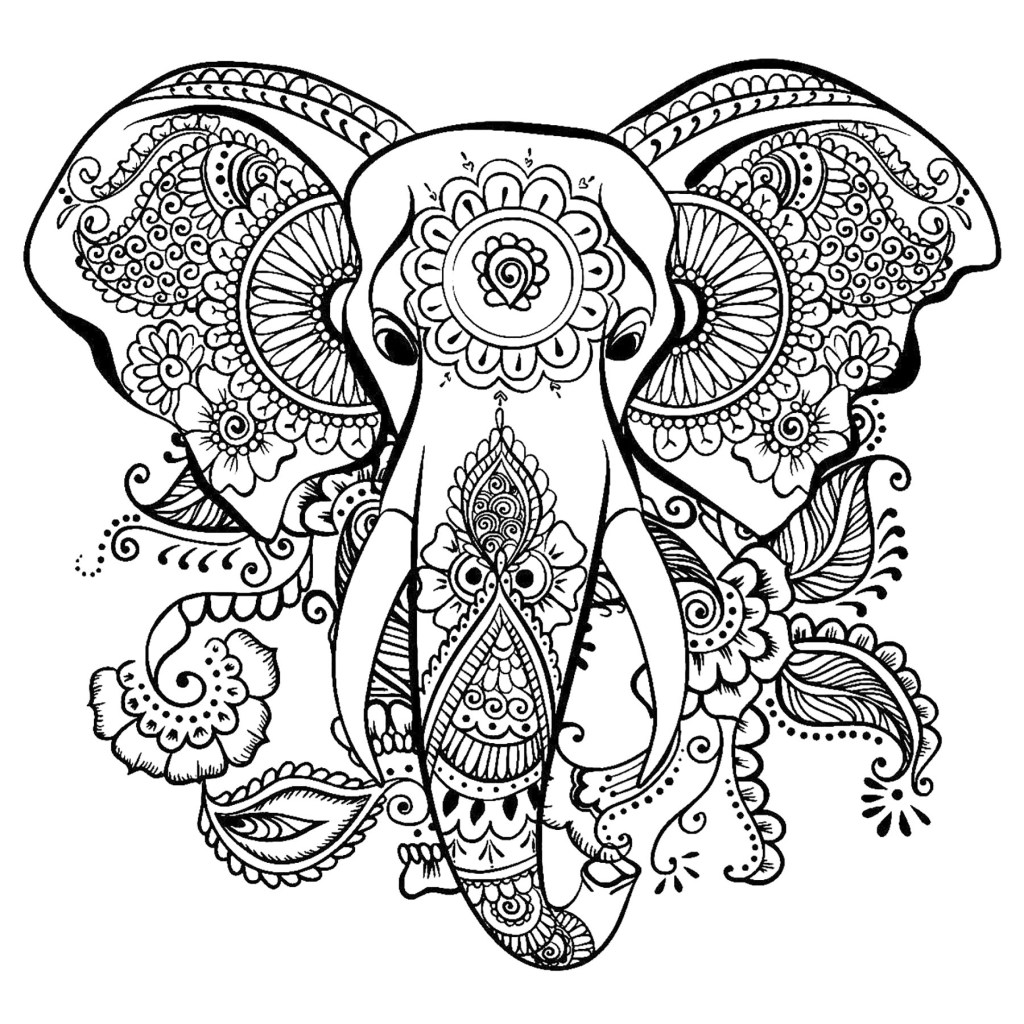
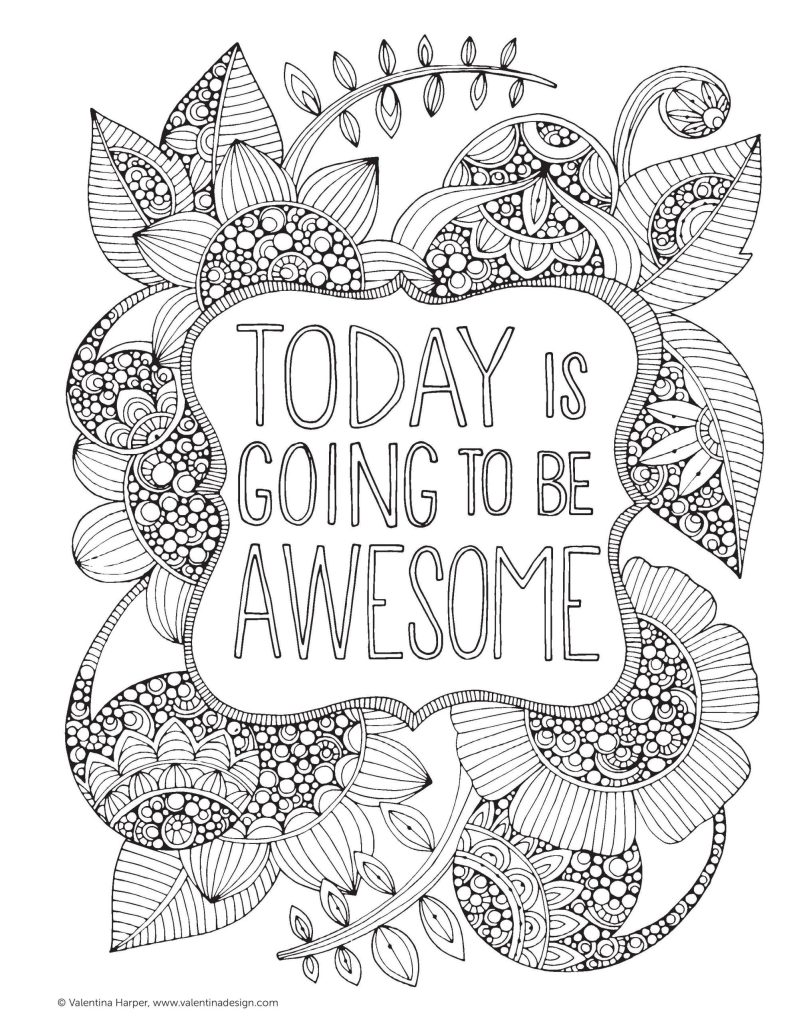
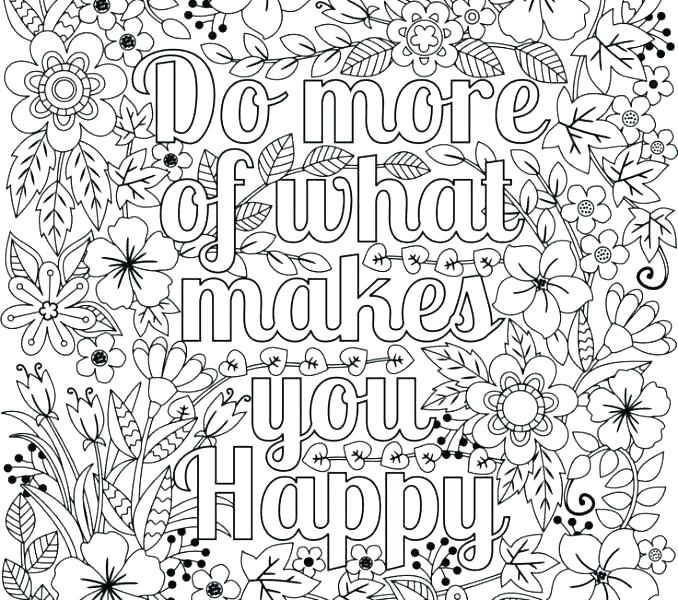
Coloring
Coloring has the ability to relax the fear center of your brain, the amygdala. It induces the same state as meditating by reducing the thoughts of a restless mind. This generates mindfulness and quietness, which allows your mind to get some rest after a long day at work. (Health Essentials)
















Relaxation is defined as; the state of being free from tension and anxiety.

The Following are six relaxation techniques that can help you evoke the relaxation response and reduce stress.
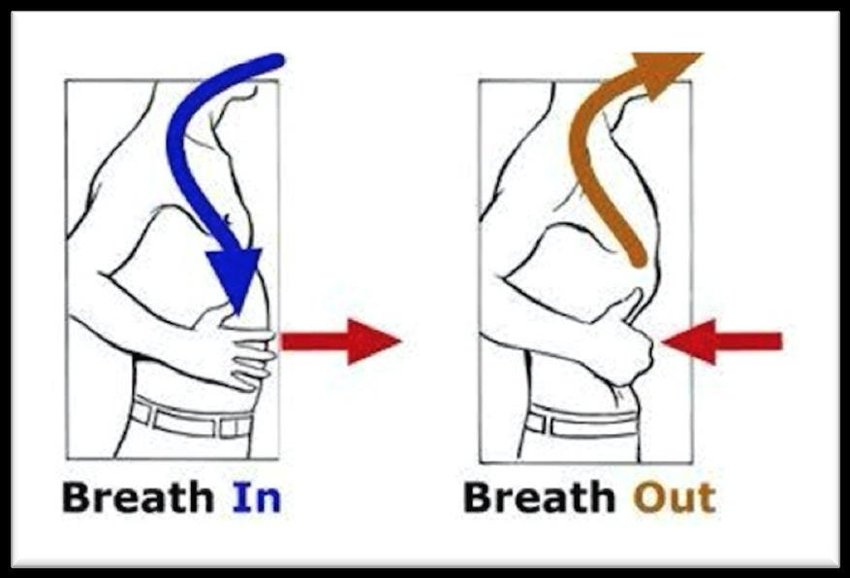
Breath focus. In this simple, powerful technique, you take long, slow, deep breaths (also known as abdominal or belly breathing). As you breathe, you gently disengage your mind from distracting thoughts and sensations. Breath focus can be especially helpful for people with eating disorders to help them focus on their bodies in a more positive way. However, this technique may not be appropriate for those with health problems that make breathing difficult, such as respiratory ailments or heart failure.
Breathing Techniques to Help You Relax
Reducing Stress Through Deep Breathing
Body scan

2. Body scan. This technique blends breath focus with progressive muscle relaxation. After a few minutes of deep breathing, you focus on one part of the body or group of muscles at a time and mentally releasing any physical tension you feel there. A body scan can help boost your awareness of the mind-body connection. If you have had a recent surgery that affects your body image or other difficulties with body image, this technique may be less helpful for you.
In the body scan, you methodically bring attention to the body, beginning with the left foot and ending at the top of the head.
You may notice a wide range of physical feelings:
- pain
- aches
- itches
- tingles
- firmness
- lightness
- heaviness
- warmth & cold
- as well as neutrality
Some of these sensations may be accompanied by thoughts or emotions. As you practice the body scan, this multitude of sensations and internal experiences can be boiled down to three basic feelings:
- Neutral
- Pleasant
- Unpleasant
Since the body is a dynamic organism that’s always changing, no two body scans will ever be completely alike.
Body Scan: Ohio Health Mindfulness-Based Stress Reduction
Guided Imagery

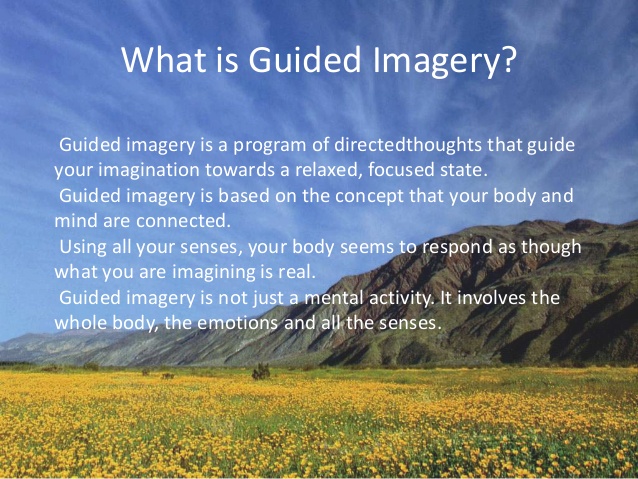
3. Guided imagery. For this technique, you conjure up soothing scenes, places, or experiences in your mind to help you relax and focus. You can find free apps and online recordings of calming scenes—just make sure to choose imagery you find soothing and that has personal significance. Guided imagery may help you reinforce a positive vision of yourself, but it can be difficult for those who have intrusive thoughts or find it hard to conjure up mental images.
Guided Imagery 15 minutes
Guided Meditation for Children | Your Magical Island | Kids Relaxation
Guided Meditation for Children | Your Secret Treehouse | Relaxation for Kids
Mindfulness Meditation

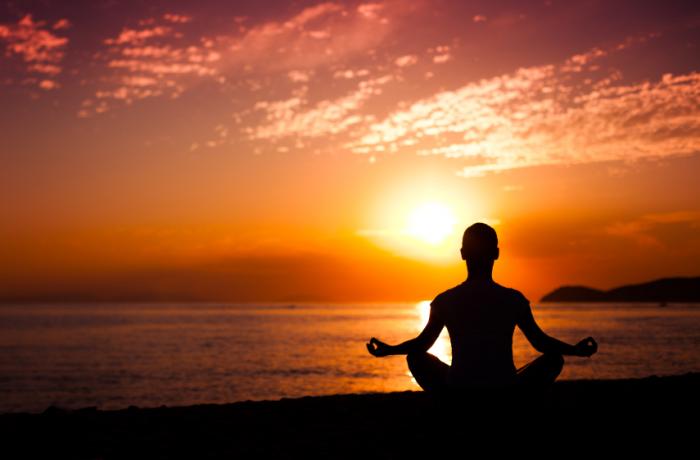
4. Mindfulness meditation. This practice involves sitting comfortably, focusing on your breathing, and bringing your mind’s attention to the present moment without drifting into concerns about the past or the future. This form of meditation has enjoyed increasing popularity in recent years. Research suggests it may be helpful for people with anxiety, depression, and pain.
Meditation for Anxiety – Yoga with Adriene
Guided Meditation For Deep Relaxation, Anxiety, Sleep or Depression – Beginners Yoga Meditation
Yoga, Tai Chi, and Qigong
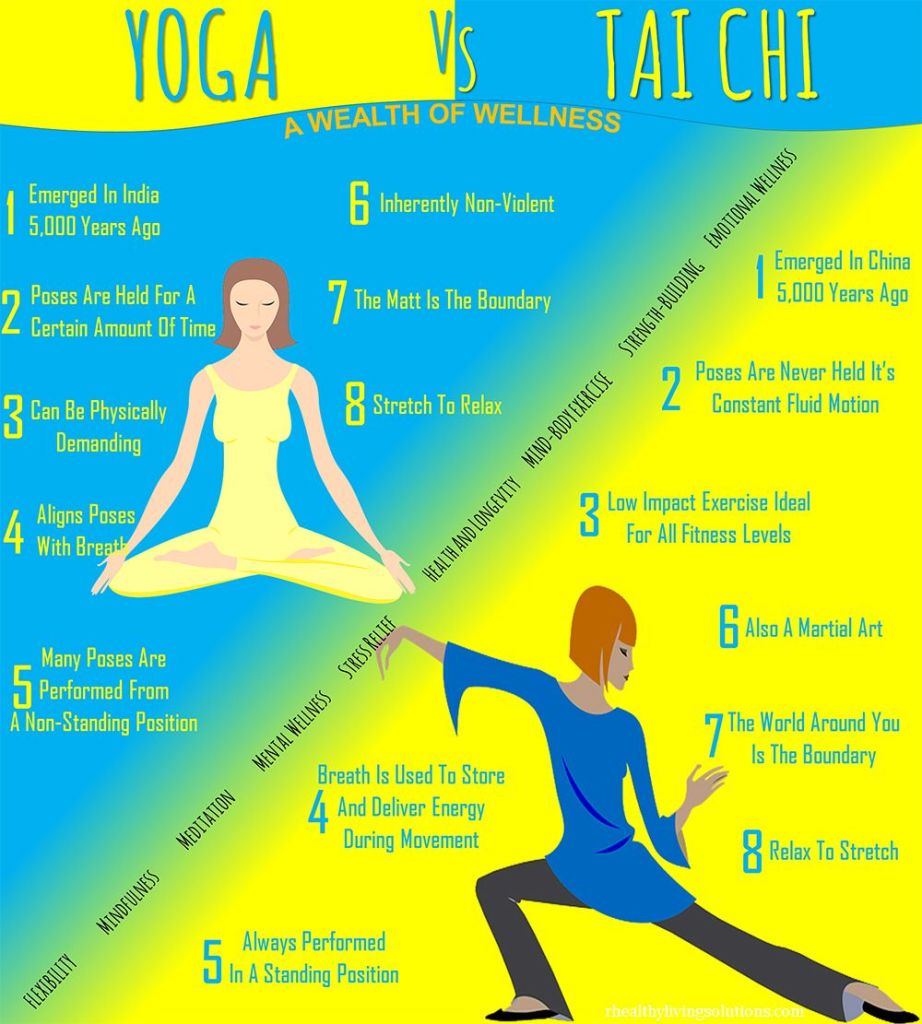

5. Yoga, tai chi, and qigong. These three ancient arts combine rhythmic breathing with a series of postures or flowing movements. The physical aspects of these practices offer a mental focus that can help distract you from racing thoughts. They can also enhance your flexibility and balance. But if you are not normally active, have health problems, or a painful or disabling condition, these relaxation techniques might be too challenging. Check with your doctor before starting them.
Yoga for Complete Beginners – 20 Minute Home Yoga Workout!
Yoga for Seniors | Slow and Gentle Yoga
Tai Chi for Beginners Video | Dr Paul Lam | Free Lesson and Introduction
Qigong for Beginners
Repetitive Prayer

6. Repetitive prayer. For this technique, you silently repeat a short prayer or phrase from a prayer while practicing breath focus. This method may be especially appealing if religion or spirituality is meaningful to you. (Harvard University)
CALMING Scripture: Affirmations and Verse, Soft Music ( Anxiety, Stress, Insomnia)
Reach Out

Your social network is one of your best tools for handling stress. Talk to others — preferably face to face, or at least on the phone. Share what’s going on. You can get a fresh perspective while keeping your connection strong.
Listening to Music
The Power of Music to Reduce Stress
Listening to music can have a tremendously relaxing effect on our minds and bodies, especially slow, quiet classical music. This type of music can have a beneficial effect on our physiological functions, slowing the pulse and heart rate, lowering blood pressure, and decreasing the levels of stress hormones. Music, in short, can act as a powerful stress management tool in our lives. (Psych Central)
As music can absorb our attention, it acts as a distraction at the same time it helps to explore emotions. This means it can be a great aid to meditation, helping to prevent the mind wandering. (Psych Central)
The 10 Most Relaxing Songs In The World, According To Science
A study conducted by neuroscientists from Mindlab International recorded participants’ physiological responses to specific songs while solving complex puzzles. Based on the results, the scientists came up with the 10 most relaxing songs.
Marconi Union, “Weightless”

The reason for this, as explained by Lyz Cooper of the British Academy of Sound Therapy, is that the song utilizes a biomusicological phenomenon called “entrainment.” Cooper reports, “The song contains a sustaining rhythm that starts at 60 beats per minute and gradually slows to around 50. While listening, your heart rate gradually comes to match that beat.” (Study Breaks)
Airstream, “Electra”
This relaxing song has similarities to “Weightless.” The tempo matches the optimal resting heart rate of 60 to 65 beats per minute. The mid-range frequencies and absence of a low, heavy bass is less taxing on the nervous system. (Study Breaks)
DJ Shah, “Mellomaniac (Chillout Mix)”

What makes this song relaxing is the reverb guitar above the ostinato, which is a repetitive musical pattern. The repetition frees the mind to feel the music rather than analyze it.
As the title of the song suggests, the beat is mellow and even a little bit sensual. The rainstick and the conga-like drum conjure visions of sipping something frozen on a tropical island. (Study Breaks)
Enya, “Watermark”

“Watermark” has a simple yet lovely piano arrangement, with a subtle chorus of human voices. Layered with the chorus is a synthesizer accompaniment that creates white noise, which has been proven to induce tranquility. Save yourself the money on a white noise machine and just listen to this song. (Study Breaks)
Coldplay, “Strawberry Swing”

This is the first relaxing song on the list with lyrics, which proves that music does not have to be instrumental to be soothing. It has a slightly higher tempo and does not really promote relaxation so much as a feeling of contentment.
The lyrics themselves contribute to the carefree vibe, and even the video is fun to watch. (Study Breaks)
Barcelona, “Please Don’t Go”

Just like in “Electra,” the second song on this list, “Please Don’t Go” lacks a heavy bass and uses high and mid-range frequencies in the piano and the strings. It is also written in minor key, which is commonly found in sad songs. (Study Breaks)
All Saints, “Pure Shores”

You can be alert and relaxed at the same time, which is the optimal state according to yoga practitioners. So even though it is uplifting and groovy, “Pure Shores” for shore deserves a spot on the most relaxing songs list. (Study Breaks)
Adele, “Someone Like You”

According to scientists, almost everything about this song is arranged to reduce the audience to tears.
“When the chorus breaks, Adele’s voice jumps an octave and belts out the notes with increasing volume,” a writer from The Daily Mail wrote. “At the same time, the harmony shifts and the lyrics become more dramatic.” Maybe at first you cannot see why this song is relaxing, but someone who is highly stressed just needs to let it all out with a good cry. (Study Breaks)
Mozart, “Canzonetta Sull’aria”

Mozart’s hallmark mathematical precision, coupled with the angelic female voices, is aurally pleasing. It is light, it is uncomplicated, and it does not ask much of the listener beyond simply enjoying the music. (Study Breaks)
Cafe Del Mar, “We Can Fly”
The mid-tempo beat invokes images of traveling to far-off exotic lands. It is almost a requirement for an ambient song to incorporate white noise, but because it is effective, we will give it a pass. (Study Breaks)
While these songs each have distinctive styles, they share common elements such as white noise, low to mid-tempo and simple arrangements. If you find yourself feeling stressed, consider adding a song or two (or maybe all of them!) to your chillout playlist. (Study Breaks)
For your Listening Conveyance, I have put them all on one playlist that can be found here.
Playlist
Go to lunch and don’t rush

Take a long lunch break at least three times a week. Don’t do business during lunch. Read a novel over a cup of tea. Go to a museum. Sit quietly by a stream. Eat slowly. Try a new restaurant. Go out with a good friend and agree not to discuss problems or business.
Walk every day

Walk by yourself or with a friend. Talk about possibilities, not problems.
Exercise more
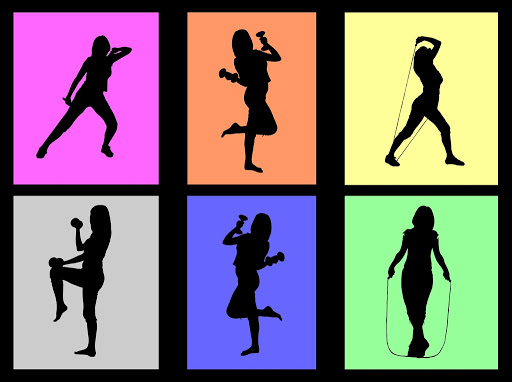
Join an aerobics class, go to the gym, play tennis, ride a bike, hike on weekends, go to a fitness resort, or jog with friends. Exercise will do more to reduce stress hormones and chemicals in our body than any other activity.
30 minute fat burning home workout for beginners. Achievable, low impact results.
30-Minute Cardio Latin Dance Workout
30-Minute Low-Impact Dance Grooves Workout
Dance Off The Inches – Country – Line Dance Party (41:40min)
Dance Off The Inches – Tummy Tone Party (38:56min)

The Best Scents for Relaxation and Sleep

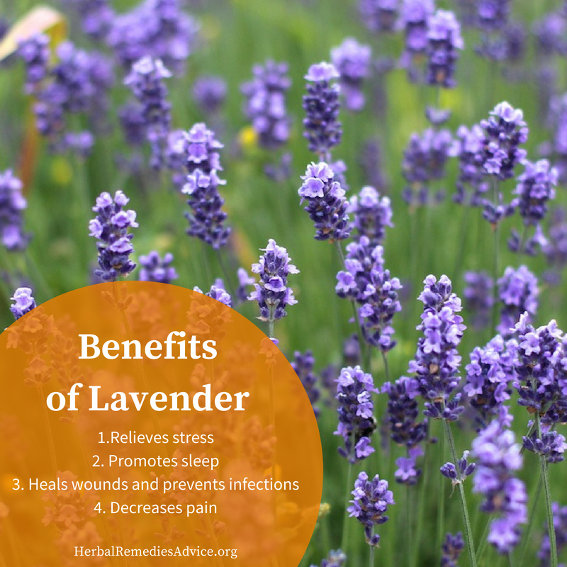
Lavender: Long thought to contain a calming fragrance, this plant has been used to quell anxiety and agitation for ages. Its scent may slow down the nervous system, which relaxes the body and mind to improve sleep quality. Incorporating the scent into a relaxing massage by using a lavender-infused massage oil may have even more pronounced sleep-promoting effects.
Vanilla: This fragrance is famous for being a potent relaxer. In fact, people who smelled vanilla while completing a stress test had more stable heart rates and better blood pressure readings than those who took the stress test in an unscented room.

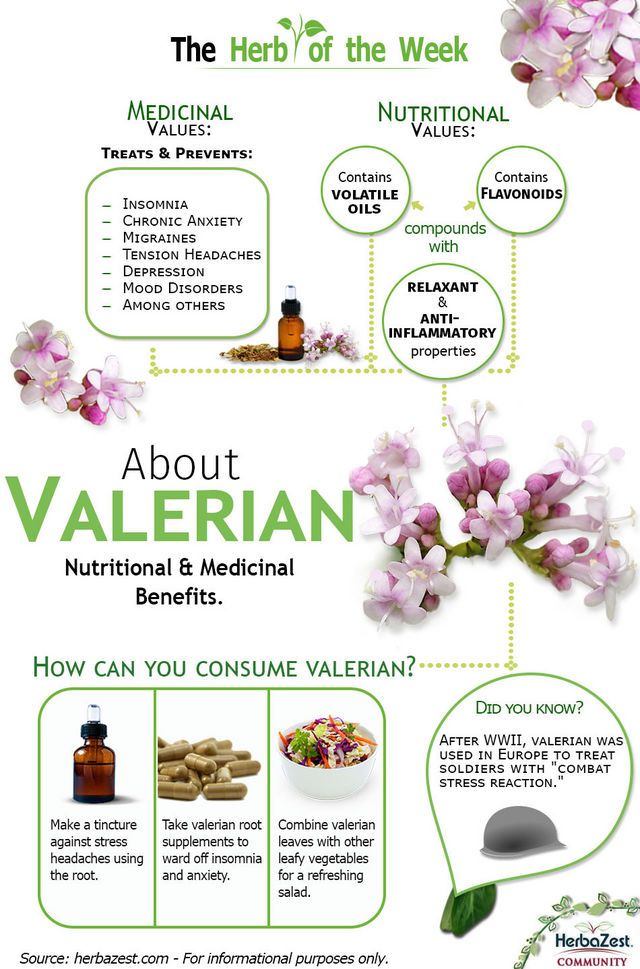
Valerian: It’s well known for its anxiety-reducing effects when taken orally. But the scent of valerian may further aid in helping you sleep: Rats who sniffed the pungent herb fell asleep faster and slept longer than those who didn’t. (Truth be told, valerian’s odor is reported to be less-than-fresh smelling. In the study with rats, the fragrance of roses gave a similar, though not quite as impactful, outcome. So if you can’t stand the smell of valerian, try the smell of roses!)
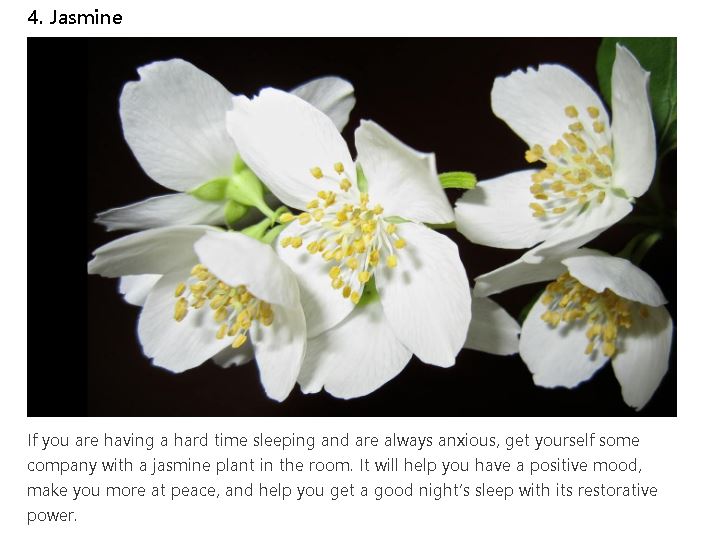
Jasmine: With delicate white petals, this flower’s sweet smell packs a surprising sleep punch. People who inhaled the scent while they slept experienced greater sleep efficiency, less movement during slumber, and overall better quality sleep. Surprisingly, its effects were even more powerful than those of lavender!
Any scent you love Simply put, any fragrance that makes you happy can promote sleep. Your olfactory system is directly linked to the emotional center in your brain—so when you sniff something that brings back a good memory (like pumpkin pie) or makes you feel excited and full of anticipation (such as the smell of sunscreen), your body releases feel-good, relaxing chemicals that can set the stage for great sleep. Once you’ve found your sleep-enhancing scent, bring it into your bedroom. Buying a fragrant candle is an easy way to add fragrance to your space (just be sure to blow it out before your head hits the pillow!). You could also put a few drops of essential oil into a spray bottle with water and gently mist your pillow before bed, or sprinkle a few drops of scent onto a cloth or handkerchief and tuck it under your pillow. Sweet dreams!

Videos to help you Relax

Instrumental Music

Disney Instrumental


Meditation
Meditation for Anxiety – Yoga With Adriene
Guided Meditation For Deep Relaxation, Anxiety, Sleep or Depression – Beginners Yoga Meditation
Meditation Music


Breathing Techniques


Virtual Aquariums


Virtual Fireplace


Relaxing Snowfall


Relaxing Sound of Rain


References used for this Topic:

Added for the Holidays
Jackson Health
https://jacksonhealth.org/2016-12-26-10-tips-to-de-stress-during-the-holidays/
Health
https://www.health.com/mind-body/25-ways-to-fight-holiday-stress
Mayo Clinic
https://www.mayoclinic.org/healthy-lifestyle/stress-management/in-depth/stress/art-20047544
Ramsey Solutions
https://www.ramseysolutions.com/personal-growth/holiday-stress
Korra Shay
Well Being People https://www.wellbeingpeople.com/2019/04/15/why-relaxation-is-so-important/
Harvard University https://www.health.harvard.edu/mind-and-mood/six-relaxation-techniques-to-reduce-stress
Psych Central https://psychcentral.com/lib/the-power-of-music-to-reduce-stress/
Study Breaks https://studybreaks.com/culture/music/relaxing-songs/
Sleep Organization https://www.sleep.org/articles/scents-for-relaxation/
Health Essentials https://health.clevelandclinic.org/3-reasons-adult-coloring-can-actually-relax-brain/
Huffington Post https://www.huffpost.com/entry/stress-relief-that-works_n_3842511
Mayo Clinic https://my.clevelandclinic.org/health/articles/11874-stress
CBC https://www.cbc.ca/stevenandchris/m_health/5-easy-proven-ways-to-de-stress

I hope this post has helped you relax! I know I experienced total relaxation from the experience. If you benefited from this Post, please feel free to; Like, Comment, Share and Subscribe. See you soon!
 Angelika's World