

Reel Film Day is an annual celebration of watching 35mm film prints. This day is celebrated annually on March 5th. The day was founded in 2017 by both Alamo Drafthouse and Kodak.

Today we will be learning about 35mm film and how it is used to create movie magic. Let’s start off with the Basics first. We will define a Reel, Celluloid, and 35mm.
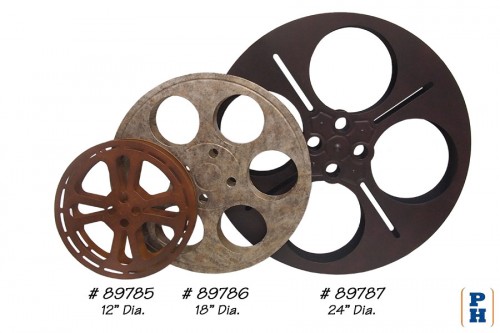
Reel: Photography. a spool on which film, especially motion-picture film, is wound. a roll of motion-picture film.(Dictionary)
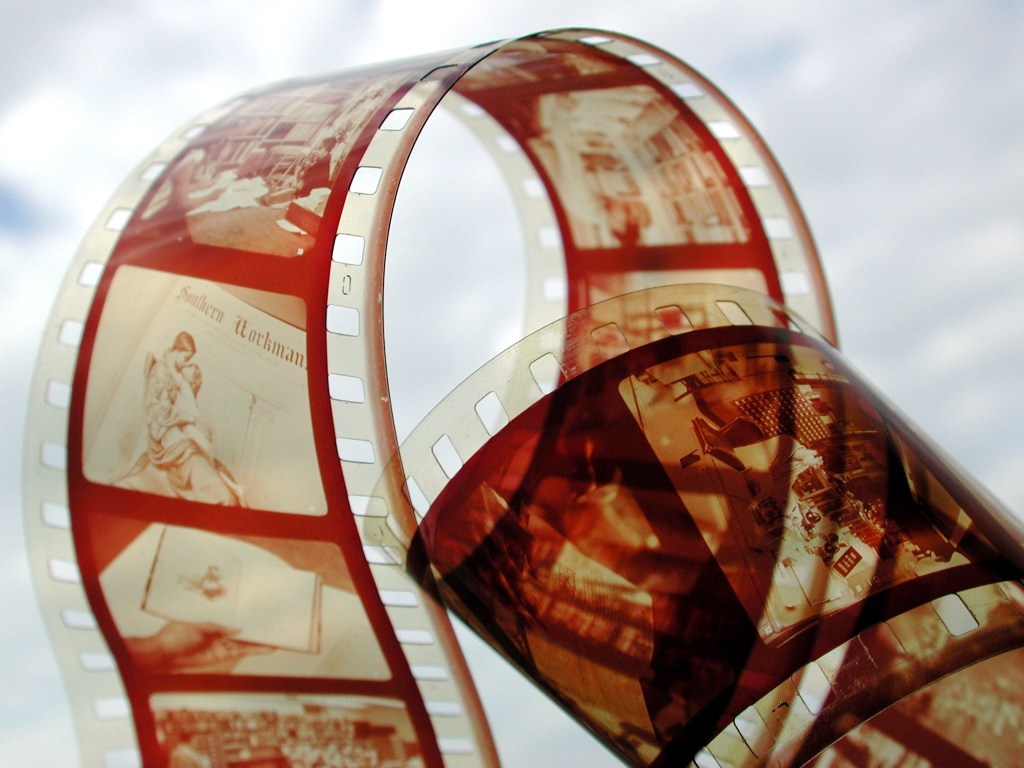
Celluloid is a type of plastic that’s transparent and flammable. Until recently, most movies were filmed on celluloid.
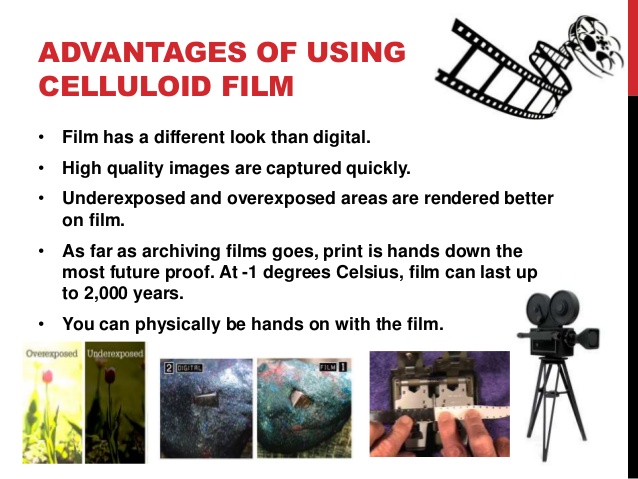
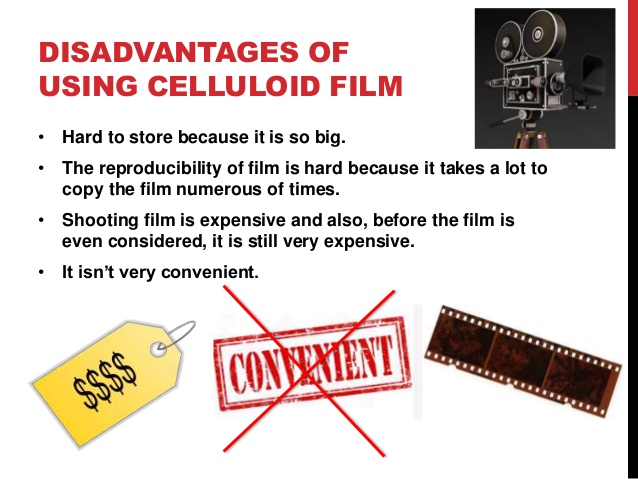
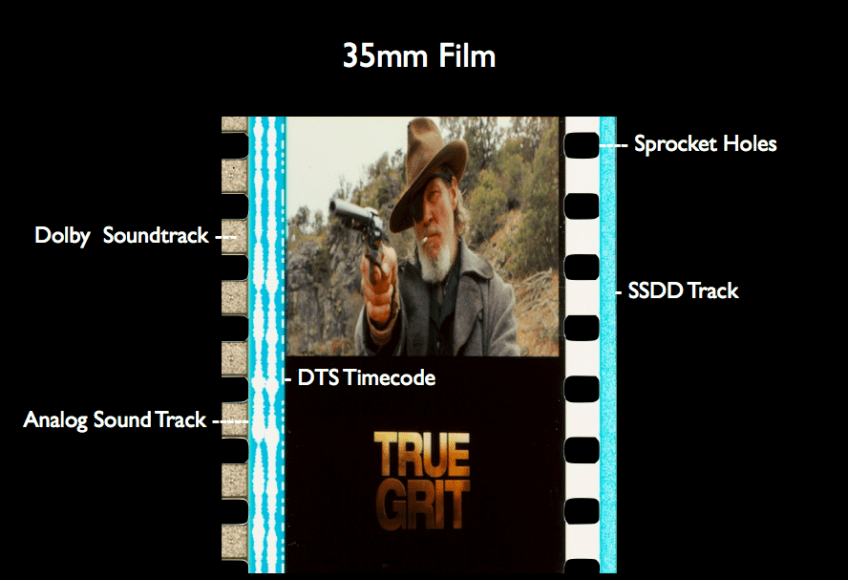
35 mm film is a film gauge used in filmmaking. In motion pictures that record on film, 35 mm is the most commonly used gauge. The name of the gauge is not a direct measurement, and refers to the nominal width of the photographic film, which consists of strips 1.377 ± 0.001 inches (34.976 ± 0.025 mm) wide.(Wikipedia)
Now we will learn how to film on a 35mm Video camera. This is a 3-part series of videos. I have put them in, order for your viewing ease.
Now that we have learned about the basics of 35 mm film, let’s look at the difference between film and Digital. We will learn the difference between 35mm film and digital film.
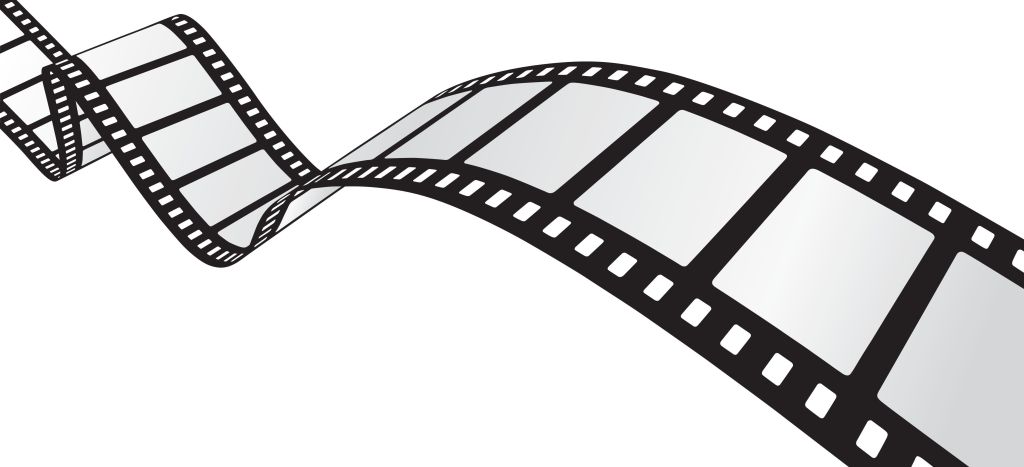
Once upon a time, all movies were shot using machines that would take 24 photographs or “frames” every second and instantaneously leave a negative of those images on a filmstrip. It would then be treated with chemicals and displayed for showings by running the reels containing these strips of pictures through a projector.

Which film sizes are used in Hollywood?
The biggest differences between film cameras is the type of film you want to shoot on – the larger the film frame, the better quality the image as there is more space to capture detail. The most common formats include…
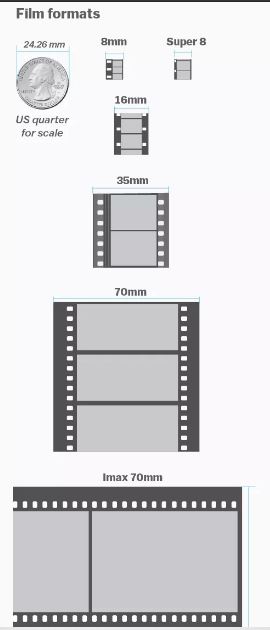
- 16mm – The smallest size used on professional Hollywood movies is Super 16mm, which will be used either when the filmmaker wants a gritty look or in an effort to save money. It was used on films such as Leaving Las Vegas, Evil Dead and Chasing Amy.
- 35mm – The traditional film stock used by the vast majority of movies which shoot on film.
- VistaVision – VistaVison uses normal 35mm film stock but runs it sideways to give 65% more space to each image.
- 65mm – Used mostly by directors who have the power to demand the extra budget needed (such as Paul Thomas Anderson’s The Master and Tarantino’s new flick The Hateful Eight) or when the final movie will be distributed on IMAX screens.
- 70mm – Film stock which is twice as big as big as 35mm. Films projected on 70mm are normally shot on 65mm and blown up to 70mm.
The bigger the film size, the more it will cost (to buy and process) as well as adding size and weight to the cameras you need to use. ( Stephen Follows)
What Is: Film | How Film Works and Its Place in Modern Filmmaking
Chemistry in Motion Pictures How Movie Films are Developed 1940s
How Does Film Get Processed (Modern time methods)?
There are many differences between film and digital photography.
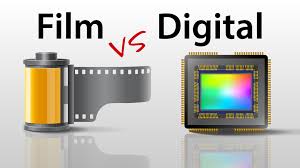
The sensor: The most obvious difference between film and digital is the sensor used to take the photo. With film cameras a film sensitive to light is placed behind the lens. When a photo is taken the shutter opens for a predetermined period of time and light hits the film. The result is a photo “printed” on the film. To take a new photo the film has to be rolled and a fresh “clean” film is place behind the lens. With digital cameras a fixed electronic sensor (sometimes known as CCD) is situated behind the lens. The sensor is built from tiny light sensitive sensors each representing a pixel. When the shutter opens light hits the sensor and each pixel gets its “value”. Put together all the pixels comprise one photo. To take a new photo the photo is saved on a digital media and the CCD is electronically emptied.
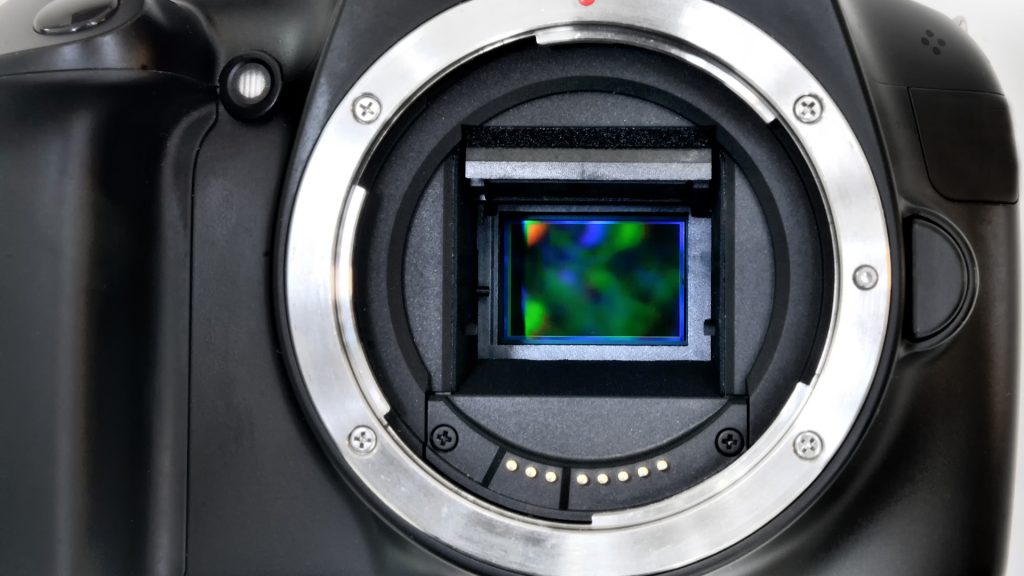
What does a different sensor mean? The main difference is in the Depth of Field. Since digital sensors are smaller in size than a 35mm film the depth of field will be much higher and in fact in most compact digital cameras almost infinite. The result is that blur backgrounds can not be created.

The cost of a photo: Photos taken with a digital camera literally cost nothing. The photos are kept in erasable memory and thus can always be discarded at no cost. Also the photos you would like to keep can be copied to digital media such as a computer’s hard disk. With storage prices going down the cost of saving a photo on disk is practically zero. Film does cost money. With a film camera you have to pay for the roll of film, for developing the negative and for printing the photo. Every time you press the shutter button you spend money.
The capacity: With ever growing storage capacities digital cameras today can hold hundreds and sometimes thousands of photos on a single media. You can always have a few more in your pocket and changing is very fast. The result is that a digital camera has practically infinite capacity. You can shoot as many photos as you want and at the end of the day just dump them on your computer’s disk. Film cameras’ capacity is very limited. A roll of 36 photos can only hold 36 photos. After a roll is used changing to a new roll can take time and is not easy to do in scenarios such as darkness or a harsh environment. For that reason many professional journalists carry a few cameras on them and instead of changing rolls they turn and use another camera just so that they do not miss a shooting opportunity.
The feedback: One of the most important features of the digital camera is instant feedback. Almost all digital cameras include a small LCD screen. Once a photo is shot you can go back and watch it on that screen. The ability to see how the photo looks like results in better photos. If the photo is not good you can take another one. Being able to see the photos on the spot results in an educated decision how to fix a photo or how to better compose it. It takes a lot of the guessing away from photography. With film cameras there is no way to know how the photo on the film will look like when printed.
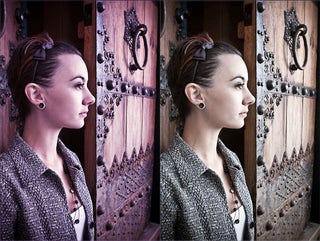
Correcting photos: With digital cameras photos can be corrected using photo editing software. Some correction abilities are built-in to the cameras but many more are available as software packages for your PC. With film cameras what you get is what you get. After the film is developed it is very hard to make any corrections. Usually if corrections are absolutely needed the negative or the printed photo will be scanned (i.e. converted to digital) corrected and then printed again (in a long and costly process).

Changing conditions: Every roll of film is designed for best results in a specific environment. For example there are indoor and outdoor films or films with different light sensitivity. If conditions change rapidly a film camera user will have to either shoot with the wrong film, change the roll (and usually lose photos that were not used in the current roll) or use another camera with a different film in it. The results of shooting with the wrong film can be distorted colors (reddish photos for example), a grainy photo and more.
With digital cameras the characteristics of the sensor can be changed instantly for each photo taken. With a click of a button the camera can be put in an indoor or outdoor mode, low light, night photography etc. Some cameras will automatically sense the scenario and set the sensor mode accordingly. (Street Directory) https://www.streetdirectory.com/travel_guide/104311/photography/the_difference_between_film_and_digital_photography.html
How Technicolor changed movies
Film VS Digital | Video Essay
The first Disney animated film to be shot using 35mm film was Snow white.
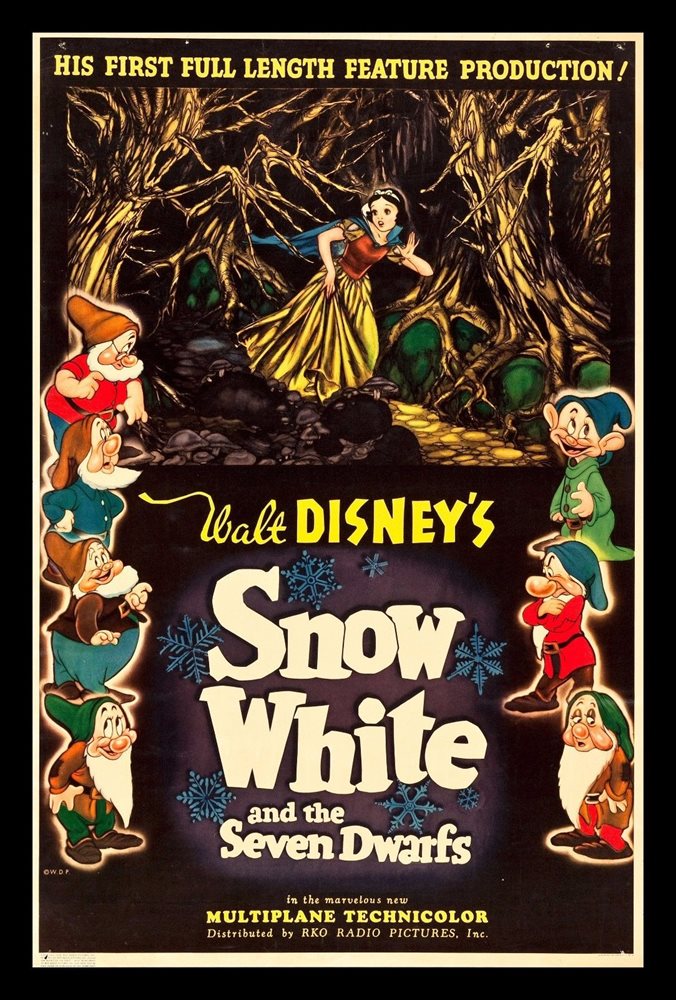
While Walt Disney had been at the forefront of the American movie business for years before the release of Snow White and the Seven Dwarfs, it was this cinematic accomplishment that vaulted him into the stratosphere, and defined for decades the full power of what animation could do on a major scale. Snow White and the Seven Dwarfs is the first ever full-length cell-animated picture, (which was of course embedded in 35mm film) as well as the first to be produced entirely in color. The effect it had an audience in 1937 is difficult to calculate – here was a movie unencumbered by the limitations of traditional filmmaking that retained the cinemas power to grip, move, and enchant. Full color, (full sound was standard by 1937) the film was and remains a great classic – the first entry on this list which stands up to the sophisticated modern standards of technical proficiency.
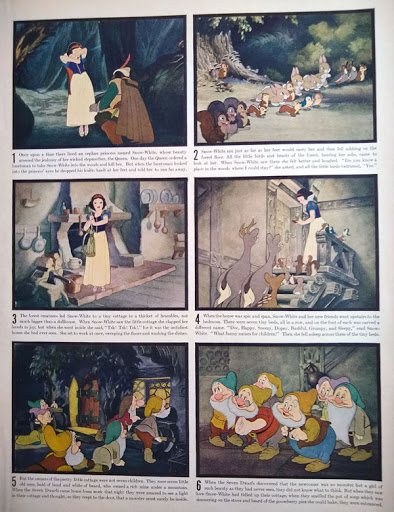
Snow White and the Seven Dwarfs shattered existing box office records for animation (and remains one of the top grossing films of all time when adjusted for inflation), and was so stunning (and yet so outside of the box) that the Academy Awards created an award out of thin air – an Honorary Academy Award for being “a significant screen innovation which has charmed millions and pioneered a great new entertainment field.” None other than Sergei Eisenstein praised it as among the greatest films of all time.
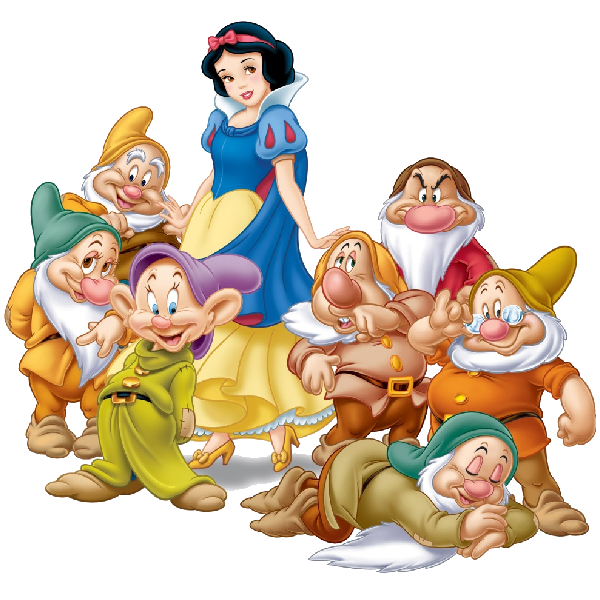
Shooting full length animated films had never been done before, and one of the reasons was the incredible amount of time and labor that it took. The process for actually putting the animations onto 35mm film took forever, each single frame being composed of multiple cells that had to be stacked on top of each other and shot one at a time. Then the process has to be repeated 24 times to achieve just a single second of 35mm film. (South tree) https://southtree.com/pages/the-10-most-significant-35mm-films-ever-made?gclid=Cj0KCQiAwP3yBRCkARIsAABGiPqqDi0bak9uRp4fGIPYNOFcJzboQhYQT3F3EjbqyYci-YC-_Qzd4f8aAlFqEALw_wcB
1937: Snow White – The Making of Walt’s First Masterpiece
You can watch snow white and the seven Dwarfs here for free. https://kimcartoon.si/Cartoon/Snow-White-and-the-Seven-Dwarfs/Movie?id=3162
well there you have it! I hope you have enjoyed learning about Film and what makes it important. If you did like the post, please feel free to Like, Comment, Share, and Subscribe. You can subscribe via my home page. Thanks so much for reading!

 Angelika's World