

March 3 is the 62nd day of the year (63rd in leap years) in the Gregorian calendar. 303 days remain until the end of the year. Aside from those facts, what makes it special? We will travel through Time and Space to discover what made this day in History so noteworthy. Hang on because outer space is the limits in which we will climb.


1923 – The first issue of Time magazine was published.
Time, American weekly newsmagazine, published in New York City. Time was the creation of two young journalists, Henry R. Luce and Briton Hadden, who wanted to start a magazine that would inform busy readers in a systematic, concise, and well-organized manner about current events in the United States and the rest of the world. With Hadden as editor and Luce as business manager, they brought out the first issue on March 3, 1923. Time’s format became standard for most other general newsmagazines, consisting of dozens of short articles tersely summarizing information on subjects of importance and general interest and arranged in “departments” covering such fields as national and international affairs, business, education, science, medicine, law, religion, sports, books, and the arts. (Britannica) https://www.britannica.com/topic/Time-American-magazine
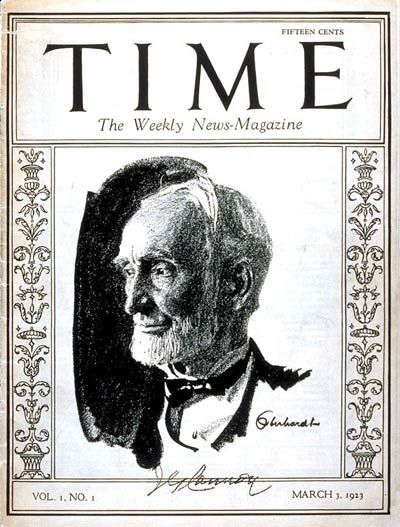
The first issue of Time was published on March 3, 1923, featuring Joseph G. Cannon, the retired Speaker of the House of Representatives, on its cover. The cover price was 15¢ (equivalent to $2.25 in 2019). (Wikipedia) https://en.wikipedia.org/wiki/Time_(magazine)
1931 – The “Star Spangled Banner
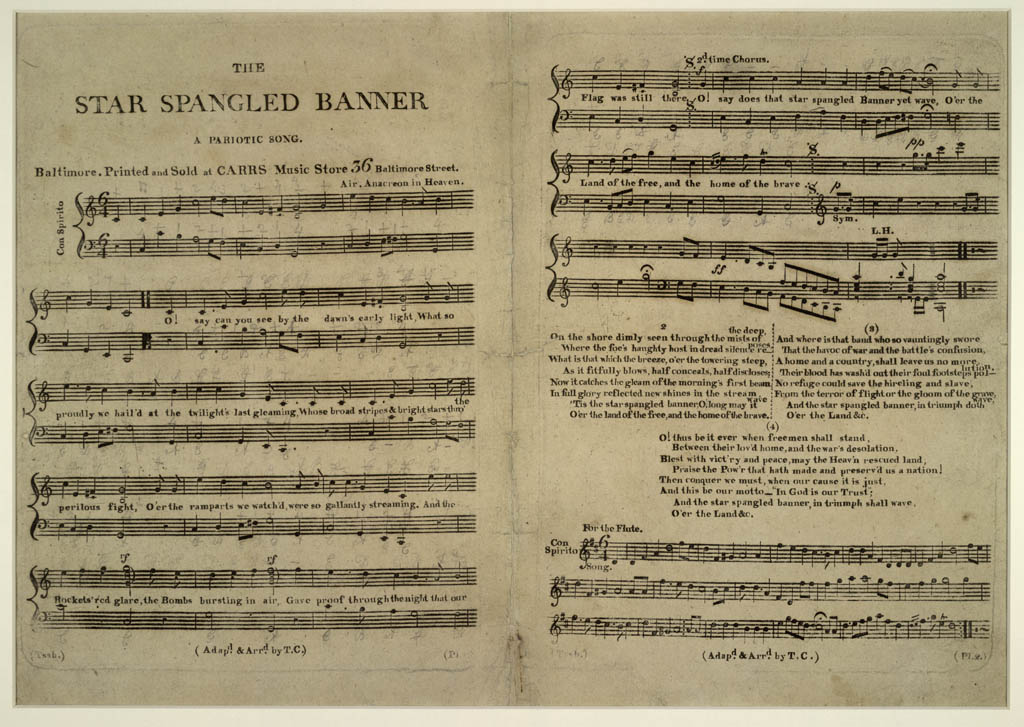
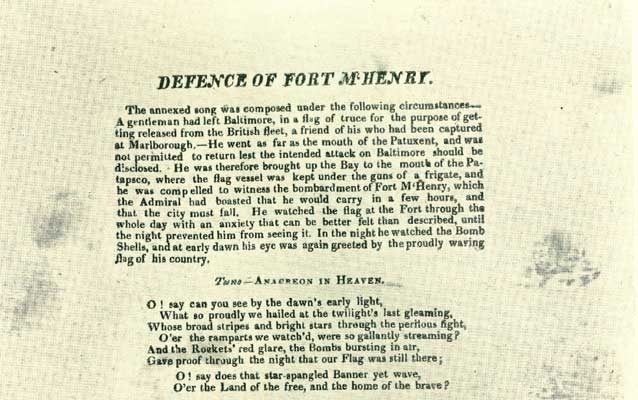
The “Star Spangled Banner,” written by Francis Scott Key, was adopted as the American national anthem. The song was originally a poem known as “Defense of Fort McHenry.”
1814
“Defense of Fort McHenry” is published
The “Defence of Fort McHenry” was a poem written by Francis Scott Key while he was stranded in Baltimore Harbor on a British Warship. At the time, he was on a mission to free his friend, Dr. William Beanes. While on the ship, the two figured out that the British were planning to attack Fort McHenry, and the two were forced to remain on the ship, having to view the battle from afar. This poem was written on the back of an envelope, while inspired by the view of the battle and the view of the beautiful American Flag in the middle of the battle, standing strong, though experiencing damage. This poem was written for the men at battle, as well as those away who were unable to experience the battle. When he reached shore, his poem was published, and was soon set to the tune of a popular song, “To Anacreon in Heaven. which lead to the creation of the “Star-Spangled Banner.”https://sagakay.weebly.com/new-nation.html
The Tune Behind the Star Spangled Banner: The Anacreontic Song
The History of the Star-Spangled Banner Explained: Composer, Flag, Facts, Meaning (2001)
The Star Spangled Banner
Complete version of “The Star-Spangled Banner” showing spelling and punctuation from Francis Scott Key’s manuscript in the Maryland Historical Society collection.
O say can you see, by the dawn’s early light,
What so proudly we hail’d at the twilight’s last gleaming,
Whose broad stripes and bright stars through the perilous fight
O’er the ramparts we watch’d were so gallantly streaming?
And the rocket’s red glare, the bomb bursting in air,
Gave proof through the night that our flag was still there,
O say does that star-spangled banner yet wave
O’er the land of the free and the home of the brave?
On the shore dimly seen through the mists of the deep
Where the foe’s haughty host in dread silence reposes,
What is that which the breeze, o’er the towering steep,
As it fitfully blows, half conceals, half discloses?
Now it catches the gleam of the morning’s first beam,
In full glory reflected now shines in the stream,
‘Tis the star-spangled banner – O long may it wave
O’er the land of the free and the home of the brave!
And where is that band who so vauntingly swore,
That the havoc of war and the battle’s confusion
A home and a Country should leave us no more?
Their blood has wash’d out their foul footstep’s pollution.
No refuge could save the hireling and slave
From the terror of flight or the gloom of the grave,
And the star-spangled banner in triumph doth wave
O’er the land of the free and the home of the brave.
O thus be it ever when freemen shall stand
Between their lov’d home and the war’s desolation!
Blest with vict’ry and peace may the heav’n rescued land
Praise the power that hath made and preserv’d us a nation!
Then conquer we must, when our cause it is just,
And this be our motto – “In God is our trust,”
And the star-spangled banner in triumph shall wave
O’er the land of the free and the home of the brave.
The above 4 verse song was taken from(History)
For the PDF copy of these lyrics, please click the link. https://amhistory.si.edu/starspangledbanner/pdf/ssb_lyrics.pdf
1969 – Apollo 9 was launched by NASA to test a lunar module.
51 Years Ago: Apollo 9 Launched to Test the Lunar Module
At precisely 11:00 AM EST on Mar. 3, 1969, the five F-1 engines roared to life, and the 7.5 million pounds of thrust they generated slowly lifted the 363-foot tall Saturn V rocket off Launch Pad 39A at Kennedy Space Center (KSC). For only the second time, the giant rocket was lofting three astronauts into space, taking the next step to meet President John F. Kennedy’s goal of landing a man on the Moon and returning him safely to Earth before the end of the decade. Riding inside the Apollo 9 Command Module (CM) at the top of the rocket were Commander James A. McDivitt, Command Module Pilot David R. Scott, and Lunar Module Pilot Russell L. Schweickart. The goal of their 10-day Earth orbital mission was to test the Lunar Module (LM), the vehicle designed to land astronauts on the Moon’s surface. The three stages of the Saturn V placed the Apollo 9 spacecraft, still attached to the S-IVB third stage, into a precise orbit just over 11 minutes after liftoff. Weighing 95,231 pounds, Apollo 9 was the heaviest crewed spacecraft placed into Earth orbit to that time. To facilitate communications when the two spacecraft were flying independently, the crew designated their CM Gumdrop and the LM Spider, clear references to the general appearance of the two vehicles.

Apollo 9 crew of (left to right) McDivitt, Scott, and Schweickart, pose in front of their Saturn V rocket at Launch Pad

Apollo 9 crew patch

Launch of Apollo 9
Controllers in Firing Room 2 of KSC’s Launch Control Center (LCC) monitored the countdown and the launch. Joining them to view the liftoff was Vice President Spiro T. Agnew, accompanied by NASA Acting Administrator Thomas O. Paine and KSC Director Kurt H. Debus. Once the rocket had cleared the launch tower, oversight of the mission transferred from the LCC to Mission Control at the Manned Spacecraft Center, now the Johnson Space Center in Houston. There, three teams of controllers, led by Lead Flight Director Eugene F. Kranz and Flight Directors Gerald D. Griffin and M.P. “Pete” Frank, working in eight-hour shifts, monitored all aspects of the mission until splashdown. The capsule communicator, or Capcom, the astronaut in Mission Control who spoke directly with the crew, during the launch was Stuart A. Roosa. The other two Capcoms during the mission were Ronald E. Evans and Alfred M. Worden.
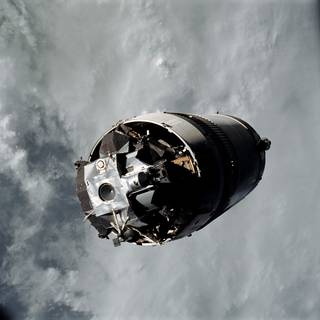
LM Spider still attached to the S-IVB stage, just prior to transposition and docking.
Less than two hours into the flight, during their second revolution around the Earth, the crew extended Gumdrop’s docking probe at the apex of the cone-shaped spacecraft in preparation for the next phase of the mission – transposition and docking. Two hours and 41 minutes after launch, the Command and Service Module separated from the S-IVB third stage and pulled a safe distance away. The four panels of the Spacecraft LM Adapter (SLA) that protected the LM during launch were jettisoned. McDivitt turned Gumdrop around to face Spider, still attached to the S-IVB, and slowly closed the gap between the two spacecraft, completing a successful docking. About an hour later, springs ejected the docked spacecraft from the S-IVB. Ground controllers over the next few hours twice restarted the S-IVB’s engine to simulate a Trans Lunar Injection, eventually sending the spent rocket stage into solar orbit.
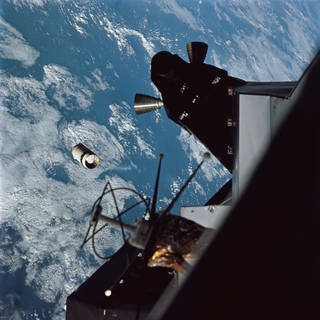
LM Spider still attached to the S-IVB stage, just prior to transposition and docking.
Meanwhile, the crew busied itself with pressurizing the tunnel between Gumdrop and Spider, removed the CM hatch, connected umbilicals to power the LM while the two spacecraft remained docked, and replaced the hatch. The astronauts next performed the first of eight planned burns of the Service Propulsion System (SPS) engine, a five-second maneuver that raised the spacecraft’s orbit to allow better lighting for the rendezvous later in the mission. The burn also validated that the docking mechanism between the two vehicles as well as the LM itself were sturdy enough to handle to firing of the large SPS engine. After some housekeeping chores, the crew settled down for their first night’s sleep in space – for the first time in the Apollo Program, all crewmembers slept at the same time, unlike the previous missions during which at least one crewman was awake at all times to monitor spacecraft systems.
The next morning, after their breakfast, the crew busied itself with preparing for three SPS engine burns during the second day in space. The goal of these firings of varying durations was to demonstrate the controllability of the docked vehicles using the spacecraft’s digital autopilot. The maneuvers also changed the spacecraft’s orbit for better lighting conditions for the subsequent rendezvous and docking operations and reduced the overall weight of the Service Module to minimize fuel needed for later firings and the deorbit burn at the end of the mission. The second maneuver, lasting nearly two minutes, raised the orbit slightly. Three hours later, the SPS-3 burn lasted more than four and one half minutes and also raised the vehicle’s orbit. Another three hours later, the 28-second fourth maneuver adjusted the plane of the orbit. Mission Control considered all three burns successful. The crew began their second sleep period in space, in preparation for the following day’s activities that included entering the LM Spider for the first time. (Nasa) https://www.nasa.gov/feature/50-years-ago-apollo-9-launched-to-test-the-lunar-module

1972 – NASA’s Pioneer 10 spacecrafte was launched.
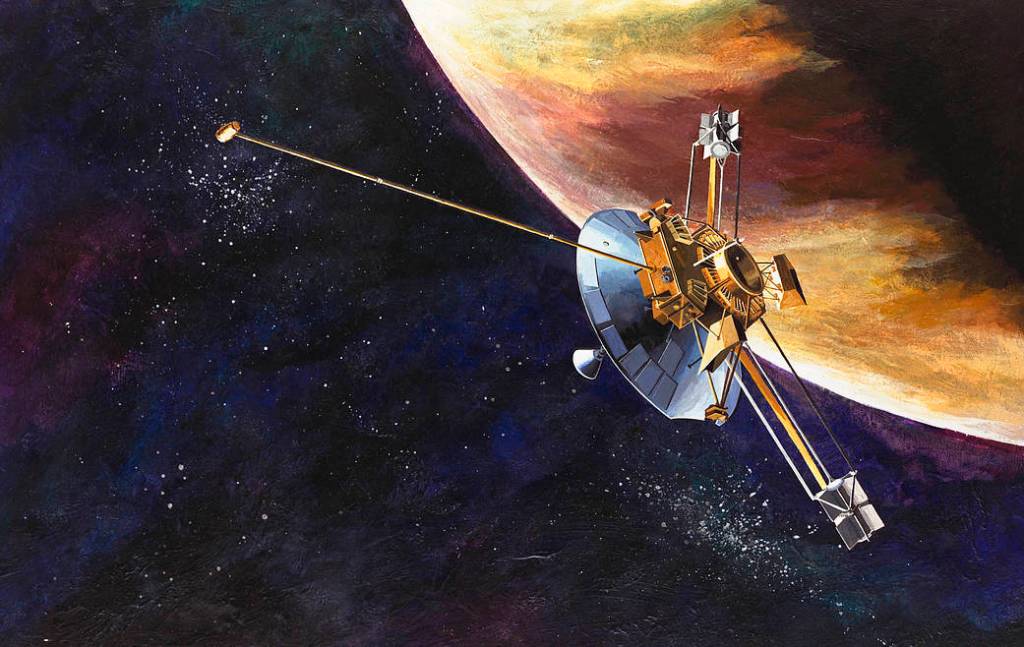
Pioneer 10 launched and traveled towards Jupiter. It was the first satellite to pass through an asteroid belt and also take close-up pictures of Jupiter with its closest encounter within 81,000 miles of the Jupiter’s cloud tops. Pioneer 10 was the first spacecraft to obtain detailed images of Jupiter and its moons. Between 1972 and 1974, the Deep Space Network (DSN) ground stations had tracked the Pioneer 10 for over 21,000 hours. Pioneer 10 fell silent on its 30 year anniversary in 2002.
For more information on Pioneer 10 falling silent, please click the link. https://www.nasa.gov/centers/ames/news/releases/2003/03_25HQ.html

National Cold Cuts Day

You might call them; lunch meats, deli meats, sandwich meats, or cold cuts. Some like them thick, while others stack them mile high. Others still just like them with cheese and crackers. However, you like them, National Cold Cuts Day was made for sandwich and snack makers.
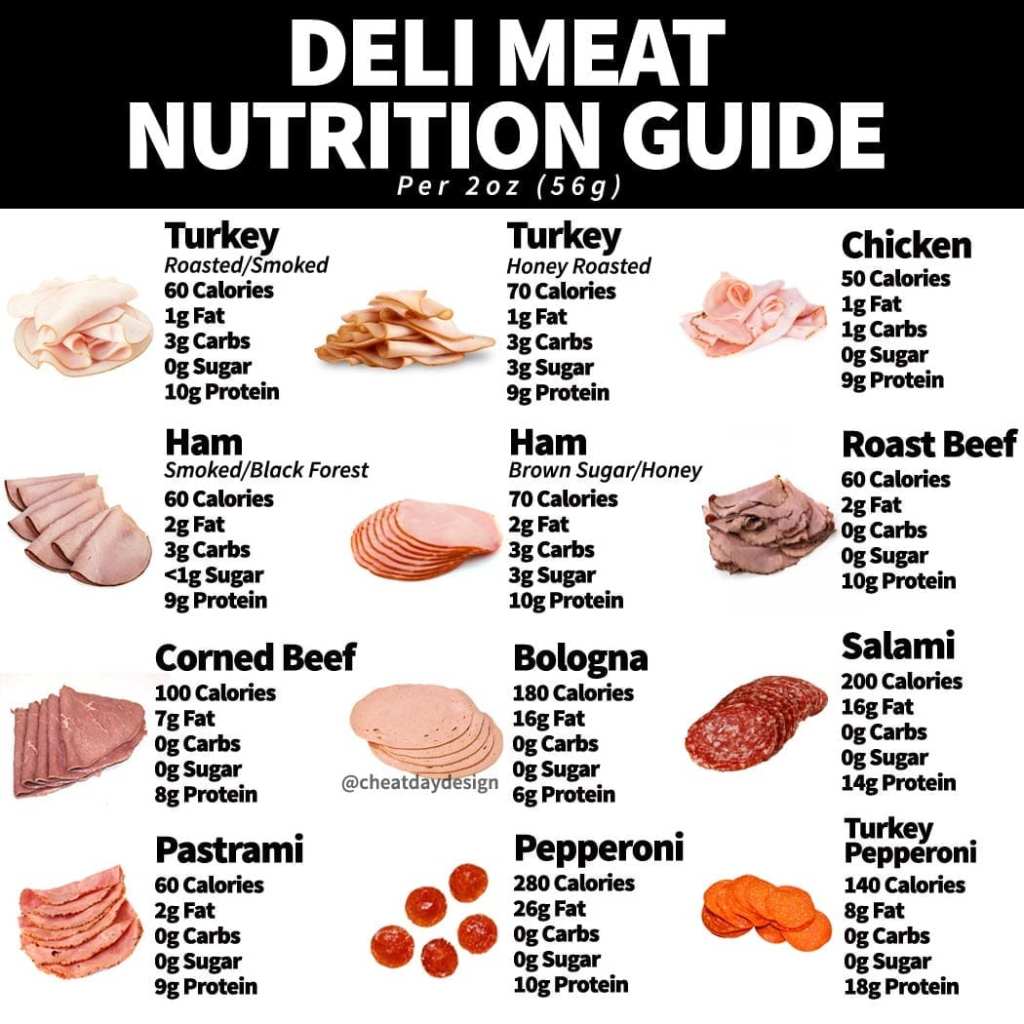
Are deli meats safe? What you need to know about cold cuts
Here are some Highlights I gathered from the Today Show article on Cold cuts.
Fact, 50% of Americans eat one each day.
Cold cuts contain sodium nitrite. sodium nitrite is a salt and an antioxidant that is used to cure ham, bacon and hot dogs. It also stops the growth of botulism-causing bacteria, prevents spoilage and gives cured meats their color and flavor. Sodium nitrite also helps prevent the growth of Listeria monocytogenes, a bacteria that causes the foodborne illness listeriosis.
you have three to five days to use them once opened in the fridge.
Listeriosis causes fever, headaches, fatigue, muscle aches, nausea and vomiting. It’s especially dangerous for pregnant women because even if it doesn’t make the mom feel sick, she can still pass it along to her baby, causing serious complications.
Deli meats and hot dogs are only safe for pregnant women if they are heated to 165°F.
When nitrites combine with amines in meat they create nitrosamines, which some studies have found to be carcinogenic.
according to the World Health Organization (WHO), the consumption of processed meat is associated with small increases in the risk of cancer. And the more you eat, the greater the risk is. But WHO has not been able to determine what it is in processed meat, like deli meat, that actually increases cancer risk.
Processed foods tend to be high in sodium.
A 2-ounce serving of sliced roasted turkey breast contains between 360-590 milligrams of sodium. That’s not so bad, but once you add two slices of bread (240 milligrams), a schmear of mustard (125 milligrams) and perhaps some mayo (85 milligrams), you’re looking at a sodium total of 810 to 1040 for your sammie.
listeria can grow in the refrigerator.
If you enjoy deli meat, eat it occasionally and refrigerate it properly. And it’s safest to avoid eating it while pregnant. (Today show)
To read the complete Article, click the link. https://www.today.com/food/what-you-need-know-about-deli-meats-t78766
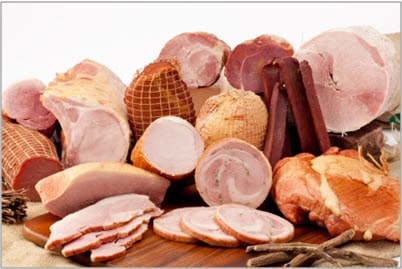
Here is another article for Deli meat Safety.
Here is how to know what is in your Deli slices and which is healthiest for you. https://www.builtlean.com/2012/04/03/deli-meat/

soup noun
a liquid food especially with a meat, fish, or vegetable stock as a base and often containing pieces of solid food (Merriam Webster)
a liquid food made by boiling or simmering meat, fish, or vegetables with various added ingredients. (Dictionary)
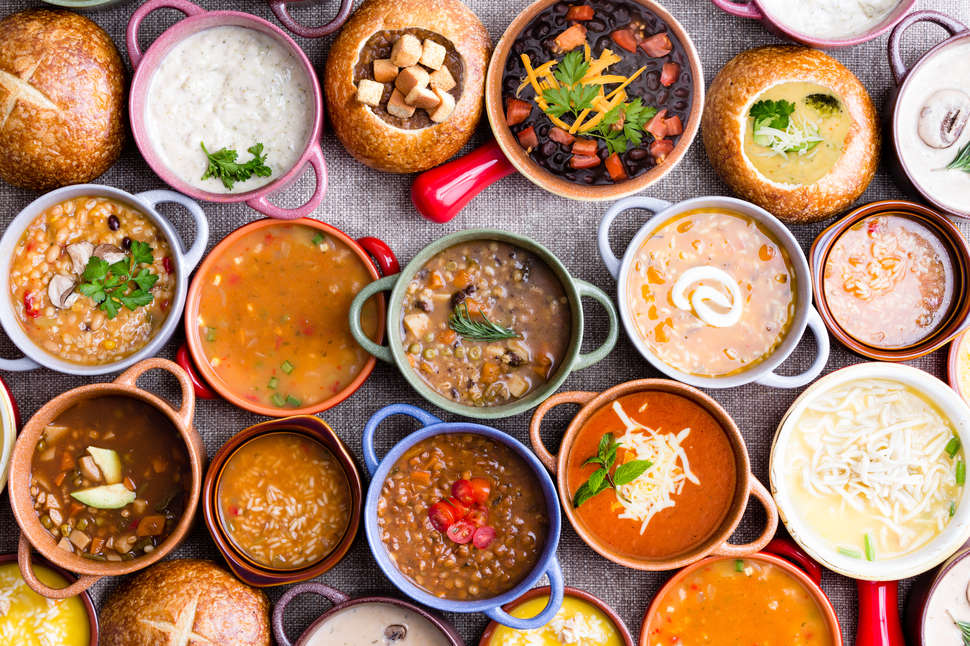
Soup It Forward Day: National Soup it Forward Day on March 3rd encourages us to deliver love and kindness by the bowlful because a warm cup of kindness comes in many forms. Deliver a healing pot of your delicious chicken noodle or split pea to a family or friend you know is in need.
Soup Sisters founded National Soup it Forward Day to encourage everyone to make a difference in each other’s lives through the warm, healing kindness of sharing a bowl of soup. Soup Sisters is an award-winning National non-profit organization Founded March 3, 2009. Since that time more than 1 million servings of nurturing and nourishing soup made by community people has been delivered monthly to 40 emergency shelters in North America for women and children fleeing family violence and domestic abuse. The organization’s Founder, Sharon Hapton launched Soup Sisters by celebrating a milestone birthday with a soup-making birthday party that provided the first delivery of soup to the Calgary Women’s Emergency shelter. That is the simplicity of Sharon’s vision: to give people a way to give back to their community by doing something tangible – getting into the kitchen, spending a night with friends, rolling up their sleeves and creating something heartwarming, heartfelt and with it a message of support to women and kids in crisis. Now operating in over 25 cities Soup Sisters and Broth Brothers deliver the gift of soup by providing a much needed ‘Hug in a Bowl’.https://soupsisters.org/

soup recipes
80 Soups That Freeze Well https://www.tasteofhome.com/collection/soups-you-can-freeze/
Gifts from Your Kitchen Soup Mix Recipes https://recipegoldmine.com/foodgiftsoup/giftsoup.html
25 Winter Soups Recipes | Cold Weather Soup and Stew Super Comp | Well Done

world wildlife day

On World Wildlife Day 2020, we will celebrate the special place of wild plants and animals in their many varied and beautiful forms as a component of the world’s biological diversity. https://www.wildlifeday.org/about
Amazing Animals With Unusual Superpowers – Wildlife Documentary HD
Wildest Australia – The Secrets of Nature
Saudi Arabia Desert Seas

That’s all folks! I hope this post educated you in a small way. I sure learned plenty from creating and researching for this post. If you enjoyed this content, please feel free to like, Share, and Subscribe! Hope to see you soon!

 Angelika's World