

March 11 is the 71st day of the year day of the year. This is a Fact. However, what else makes this day so special? Join me to explore March 11th through History.
1911
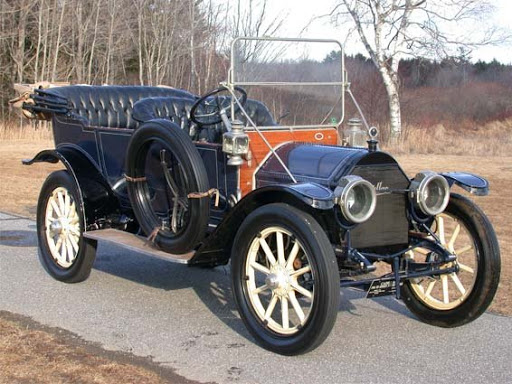
The Cadillac Division of General Motors demonstrated the first electric self starter, enabling women to drive alone. Charles Kettering created the first successful electric self-starter for Cadillac. It was introduced in the 1912 model. The perfection of the self-starter by inventor Charles Kettering enormously expanded the market for the automobile. Kettering, born in Londonville, Ohio, in 1876, had invented an electric cash register motor while at the National Cash Register Company in 1906. In 1909 he organized the Dayton Engineering Laboratories Company, later known as Delco, and soon made notable improvements in automobile ignition and lighting systems. His self-starter was introduced in the 1912 Cadillac. He founded the Charles F. Kettering Foundation dedicated to natural science research and was co-founder of the Sloan-Kettering Institute for Cancer Research. Kettering died in 1958. (History) https://www.history.com/this-day-in-history/charles-f-kettering-inventor-of-electric-self-starter-is-born

How to start a 1912 Cadillac
1968
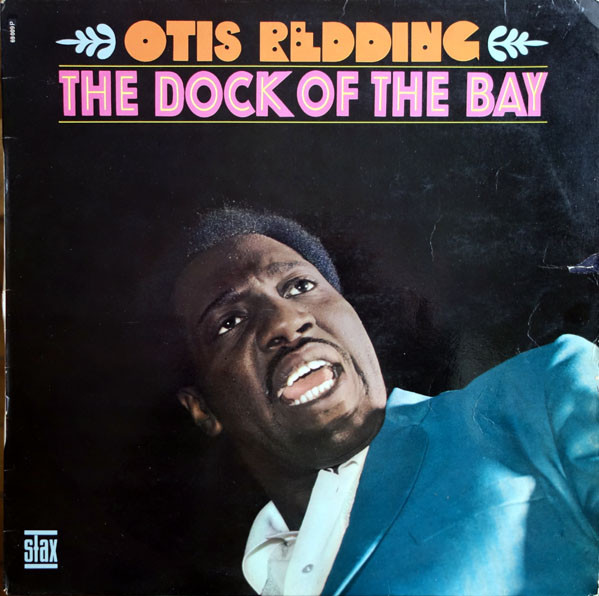
Otis Redding is the first person in the US to posthumously receive gold record for his single “Sittin’ On the Dock of the Bay”.
1969

Levi Jeans add the latest craze of jeans to their line of Jeans which had become fashionable as part of the hippie counterculture movement together with love beads, granny glasses, and tie-dye shirts. (Levi Strauss) https://www.levistrauss.com/2014/08/14/throwback-thursday-celebrating-the-45th-anniversary-of-woodstock/
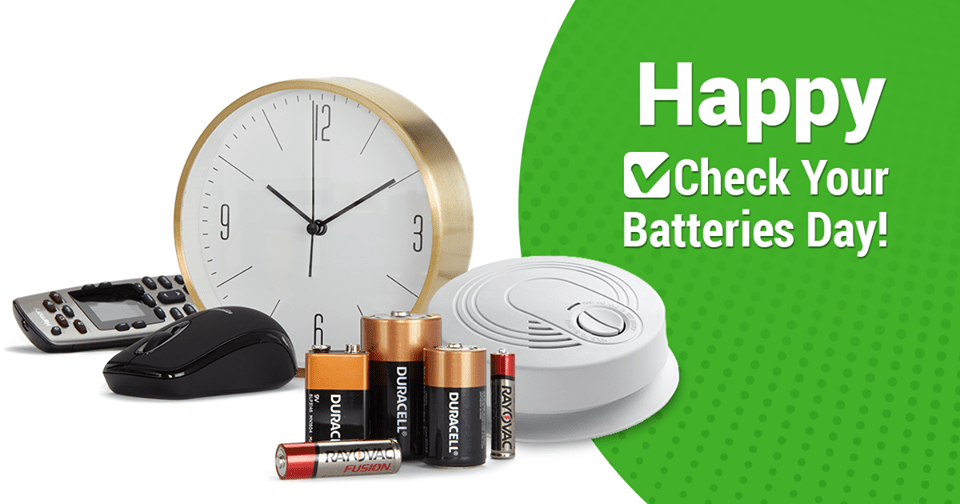
Check Your Batteries

Check your TV remotes, garage door openers, thermostat, home security system, wireless gaming controllers and even your cell phone battery. Change the batteries that need it, and note the ones that don’t, for next time.
How to Test Batteries Hack
How to Check a Car Battery with Scotty Kilmer
Got to your Local Car shop or test it yourself
Do you want to figure out exactly how to test a car battery safely yourself and without any hassle? There are several different approaches you can take in order to achieve this task, and none of them are too difficult. Testing your battery can be essential, especially when the battery is old and worn out, and you want to avoid having to deal with jump starting your car at inconvenient times or having your battery die on you in the middle of the highway. However, experts recommend that drivers test their batteries twice a year in order to avoid any chance of failure in time. Start by turning your car off and turning off all the lights. Also, turn off any other electric or electronic device that might use battery power without the ignition on. Next, you can continue by turning your ignition off, however, it’s also a good practice to temporarily disconnect your entire ignition system by removing the fuel pump relay or fuse, or by simply uncoupling the ignition coil (if your car is equipped with a coil, distributor and plug wires). Although knowing how to test a car battery is an important skill, when dealing with a seemingly dead battery, the problem might simply be in the terminals. To do this, with the ignition system disabled, start by touching your multimeter’s red probe to the battery’s positive terminal, then the black probe to the terminal that connects through the cable to the same battery terminal. Then ask someone to assist you by cranking up the engine. In that moment, if the multimeter registers more than .5 volts, it means you most likely have to clean the clamps or replace the cable connecting the battery to your car. Repeat the process with the other battery terminal, but this time switching the probes to connect the black probe to the battery terminal. If you see fluffy or powdery greenish-white deposits around the terminals, it could well just mean that corrosion has built up to a point where it’s preventing the battery from receiving or delivering a charge. Even if you’re not used to the idea of using a multimeter, you’ll find that the process of checking your battery using the multimeter is, in fact, fairly simple. Begin by removing the battery’s positive terminal cover, then clean it to remove any corrosion. Set your voltmeter to the lowest voltage setting that’s above 15 volts, then connect the negative lead to the negative battery terminal and the red lead to the positive terminal. This is essentially the whole process, and now you simply have to know what voltage to expect from your battery. Depending on whether the battery is currently charging or not, the value you read on the voltmeter might vary. If you performed all the steps as above, using either a multimeter or a power probe, you should get a reading between 12.4 and 12.7 volts. Anything lower than 12.2V or higher than 12.9V means your battery either needs a slow charge, or the removal of excess charge. (Autozone) https://shop.advanceautoparts.com/r/advice/car-maintenance/how-to-test-a-car-battery#
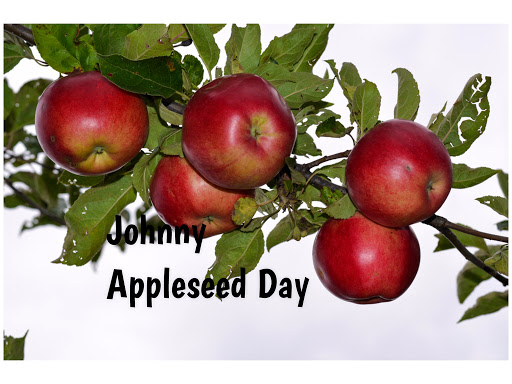
Here are some Facts about Johnny Appleseed
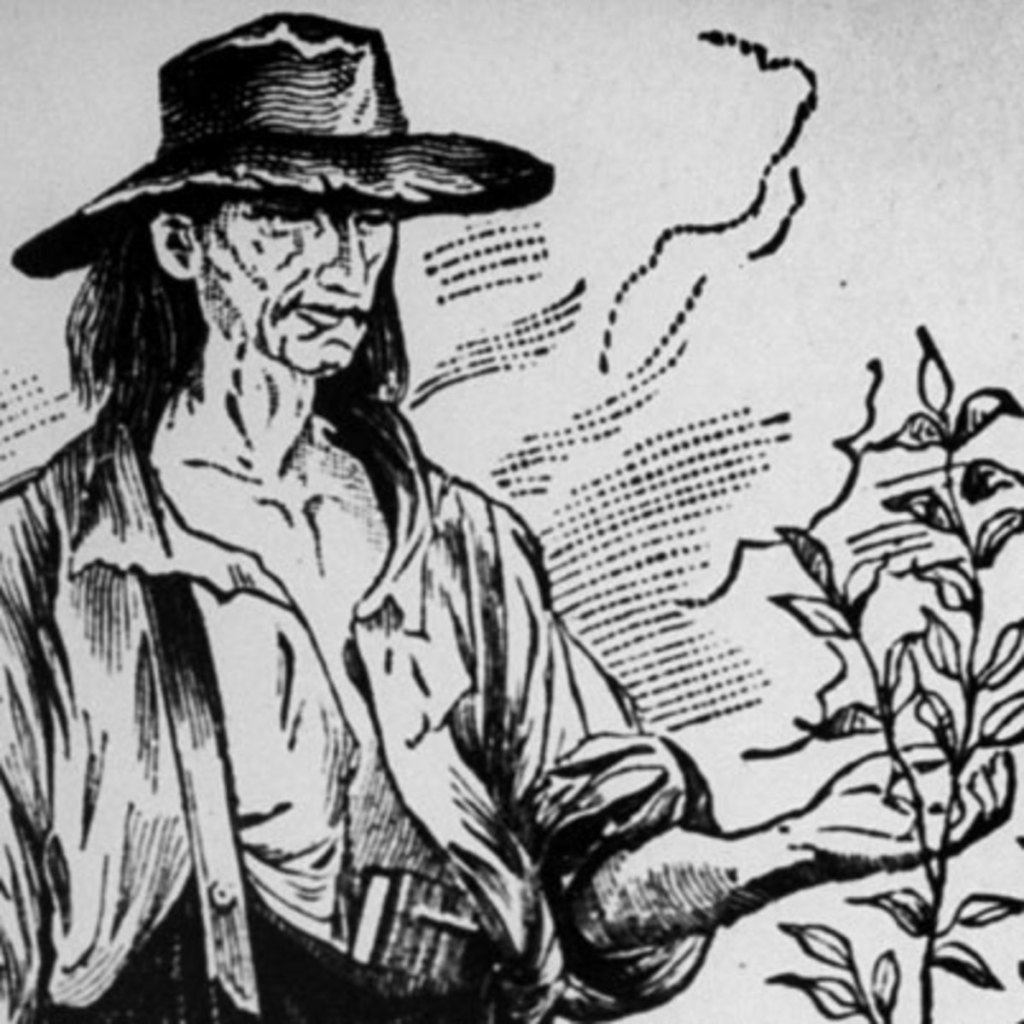
- Johnny Appleseed’s real name was John Chapman, and he was born in Massachusetts in either 1774 or 1775.
- He was barefoot, dressed in rags, and wore a tin pot on his head as a hat.
- Wherever he found a suitable spot, he planted apple seeds and educated farmers about nurseries and orchards.
HE WAS NO MEANDERING PLANTER.

To purchase this photo for $122.00, please click the link. https://fineartamerica.com/featured/crab-apple-trees-in-an-orchard-morton-panoramic-images.html#
Chapman developed as an orchardist and nurseryman, and by the early 1800s was working on his own. While his legend imagines him as a messy nomad, in reality, Chapman was much more pragmatic. Frontier law allowed people to lay claim to land through development of a permanent homestead. Such a claim could be made by planting 50 apple trees. So in his travels through Pennsylvania, Ohio, and Illinois, Chapman would plant swaths of seeds to begin an orchard, then sell them to settlers once the land had grown bountiful. This made him quite the land baron as he traversed 100,000 square miles of Midwestern wilderness and prairie. When he died on March 11, 1845 at the age of 70, he owned more than 1200 acres of land. (Mental Floss)
Homestead act of 1862
Signed into law by President Abraham Lincoln on May 20, 1862, the Homestead Act encouraged Western migration by providing settlers 160 acres of public land. In exchange, homesteaders paid a small filing fee and were required to complete five years of continuous residence before receiving ownership of the land. After six months of residency, homesteaders also had the option of purchasing the land from the government for $1.25 per acre. The Homestead Act led to the distribution of 80 million acres of public land by 1900. (Library of Congress) https://www.loc.gov/rr/program/bib/ourdocs/homestead.html

The apples that Chapman favored for planting were small and tart “spitters”—named for what you’d likely do if you took a bite of one. But this made them ideal for making hard cider and applejack. This was a far more valuable crop than edible apples. In The Botany of Desire, Michael Pollan wrote:
Up until Prohibition, an apple grown in America was far less likely to be eaten than to wind up in a barrel of cider. In rural areas cider took the place of not only wine and beer but of coffee and tea, juice, and even water.
Where water could house dangerous bacteria, cider was safe. (And delicious.)( Mental Floss) https://www.mentalfloss.com/article/62113/9-facts-tell-true-story-johnny-appleseed
HIS SIGNATURE LOOK IS PRETTY TRUE TO LIFE.
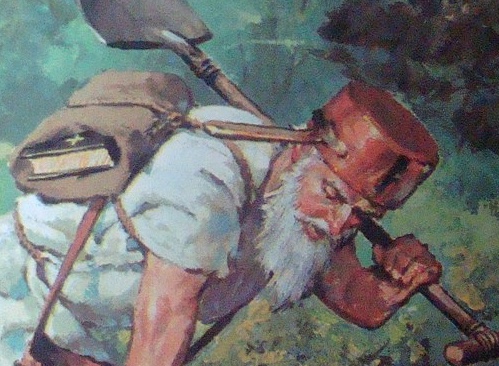
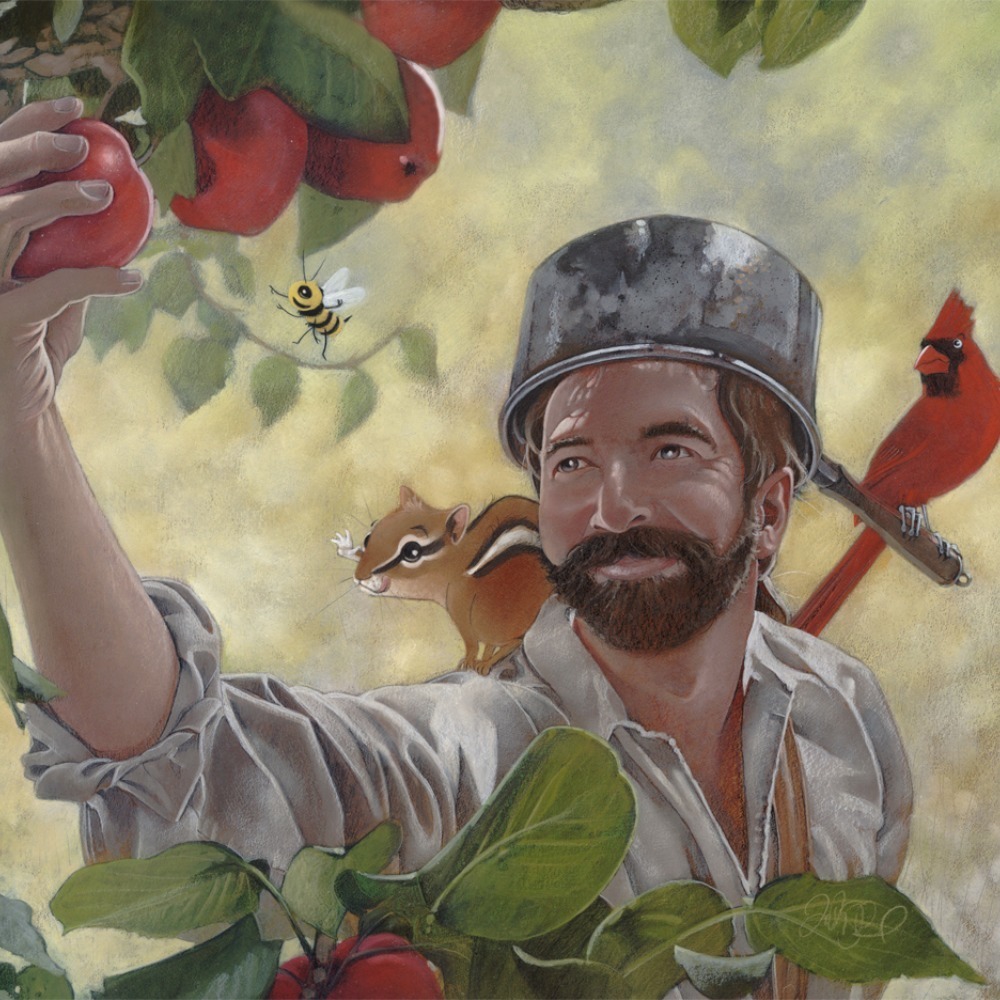
Chapman was often noted for his threadbare clothes and preference for bare feet. But these eccentricities may have been offerings to his faith, the Church of Swedenborg (also known as The New Church), a Christian denomination established in 1787. The second part of his signature look—that sack of apple seeds—was most definitely accurate. Because the Church forbade its members harming God’s creation, Chapman became a vocal animal rights activist and vegetarian. He also refused to use grafting to create his orchards, believing that this growing technique physically hurt the source plants. So, he carried a large sack of seeds everywhere he traveled. However, his oft-depicted tin pot hat has not been authenticated. (Mental Floss)
YOU CAN STILL VISIT ONE OF HIS TREES.
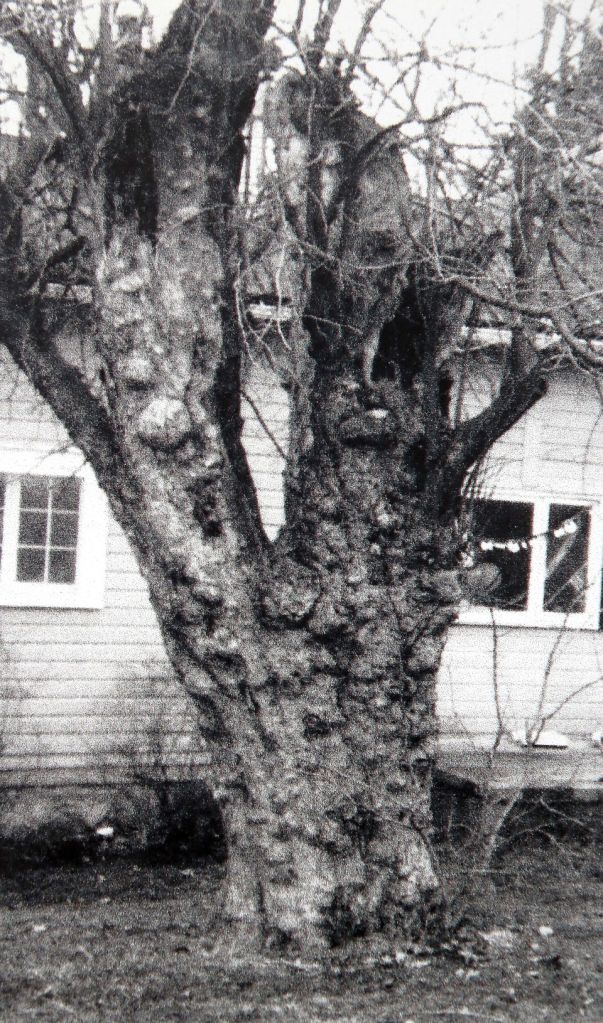
Nova, Ohio, is home to a 176-year-old tree, the last known to be planted by Johnny Appleseed himself. It grows tart green apples, which are now used for applesauce and baking in addition to cider making. While Chapman might be glad to see his seeds still bearing fruit, he’d likely be sad to hear this tree is a noted bud source for grafting new apple trees. (Mental Floss) https://www.mentalfloss.com/article/62113/9-facts-tell-true-story-johnny-appleseed
To learn more about the tree, please click the link. https://www.cleveland.com/metro/2018/05/tiny_towns_ohio_last_living_jo.html
Johnny Appleseed: His Real Name and His Ties To Indiana
Apple cider
Disney short film about Johnny Appleseed
Was Johnny Appleseed Wasting His Time?
Crab Apples

A symbol of fertility and a forager’s delight. Crab apple trees are associated with love and marriage and its small, hard fruits make an exquisite, jewel-coloured jelly. (Woodland Trust)
Mythology and symbolism

Crab apples have long been associated with love and marriage. It was said that if you throw the pips into the fire while saying the name of your love, the love is true if the pips explode. Apple wood was burned by the Celts during fertility rites and festivals, and Shakespeare made reference to crab apples in A Midsummer Night’s Dream and Love’s Labour Lost. (Woodland Trust)
Crab Apples are a Value to wildlife
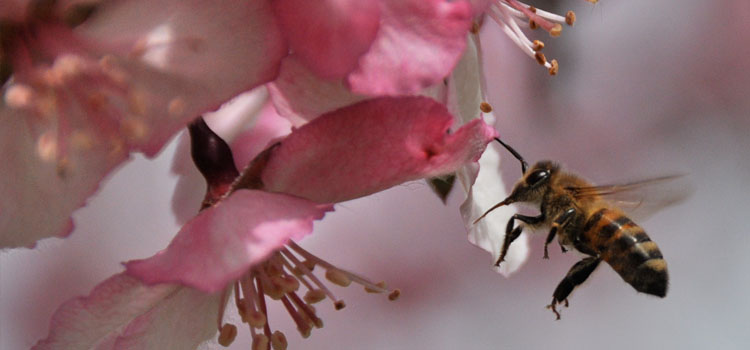
The flowers provide an important source of early pollen and nectar for insects, particularly bees, and the fruit is eaten by birds, including blackbirds, thrushes and crows. Mammals, such as mice, wolves, foxes and badgers, also eat crab apple fruit. (Woodland Trust) https://www.woodlandtrust.org.uk/trees-woods-and-wildlife/british-trees/a-z-of-british-trees/crab-apple/
Crab Apple Recipes
Here are some links with plenty of Recipes that include Crab Apples in the ingredients. https://preparednessmama.com/crab-apple-recipes/
5 Things to do with Crab Apples https://www.cbc.ca/news/canada/calgary/5-things-to-do-with-crabapples-1.1859353
Crab Apple Syrup https://ediblecapitaldistrict.ediblecommunities.com/recipes/crab-apple-syrup

Well, that’s it! 🙂 I hope you have learned just as much as I have today. If you enjoyed this post please feel free to; Comment, Like, Share, and Subscribe.

 Angelika's World