

Today we Celebrate two great Events! The First Is J.R.R. Tolkien Day and the Second is MANATEE APPRECIATION DAY. Please join me as we discover what makes these days special.

TOLKIEN READING DAY
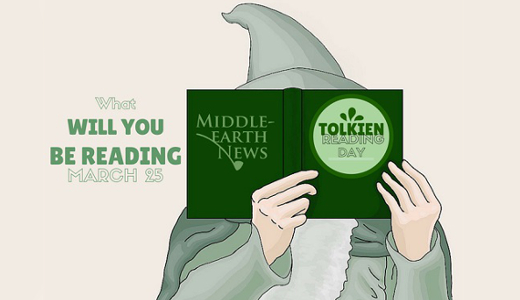
Celebrated around the world on March 25th, Tolkien Reading Day is a favorite among fans of the renowned author. The day encourages readers of all ages to explore the writings of J.R.R. Tolkien and learn more about the author. With over 30 published works, he had a lot to say and not just about hobbits, though many are on medieval order.
J.R.R. Tolkien: A Biographical Sketch
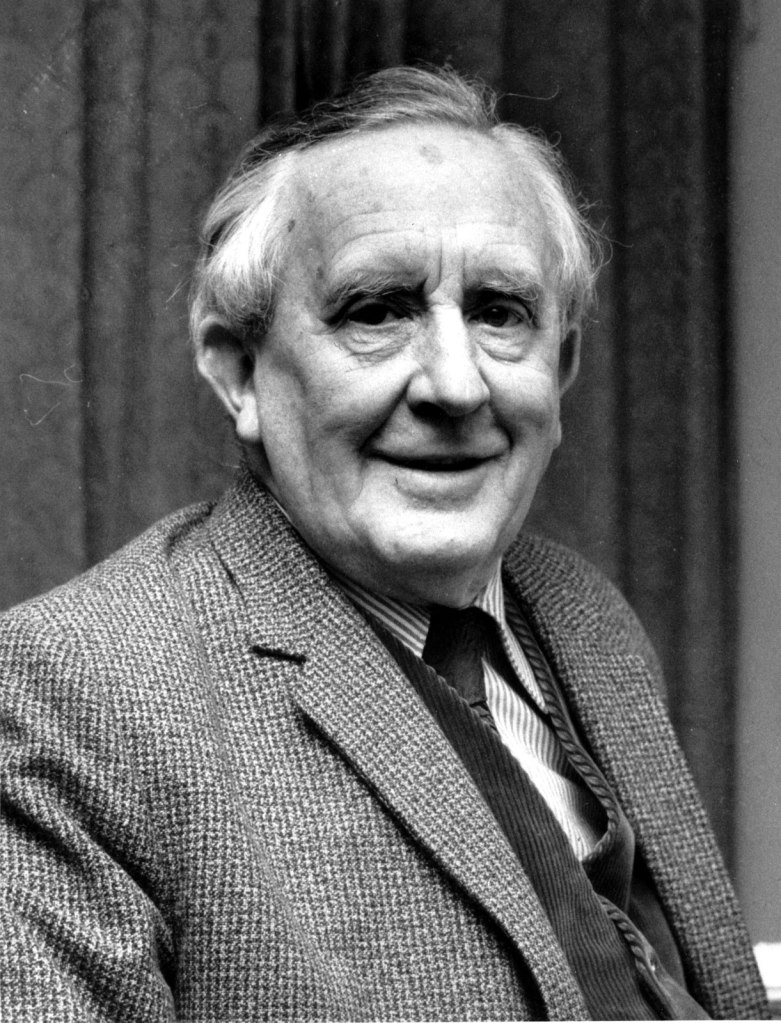
John Ronald Reuel Tolkien (1892–1973) was a major scholar of the English language, specialising in Old and Middle English. Twice Professor of Anglo-Saxon (Old English) at the University of Oxford, he also wrote a number of stories, including most famously The Hobbit (1937) and The Lord of the Rings (1954–1955), which are set in a pre-historic era in an invented version of our world which he called by the Middle English name of Middle-earth. This was peopled by Men (and women), Elves, Dwarves, Trolls, Orcs (or Goblins) and of course Hobbits. He has regularly been condemned by the Eng. Lit. establishment, with honourable exceptions, but loved by literally millions of readers worldwide.
In the 1960s he was taken up by many members of the nascent “counter-culture” largely because of his concern with environmental issues. In 1997 he came top of three British polls, organised respectively by Channel 4 / Waterstone’s, the Folio Society, and SFX, the UK’s leading science fiction media magazine, amongst discerning readers asked to vote for the greatest book of the 20th century. Please note also that his name is spelt Tolkien (there is no “Tolkein”). (Tolkien Society)
Books Written by Tolkien
Books by Tolkien
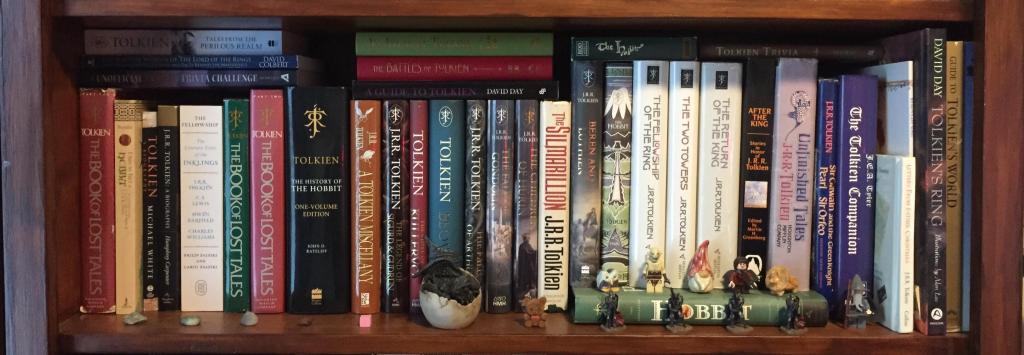
The following list, compiled by Charles E. Noad and updated by Ian Collier and Daniel Helen, includes all of Tolkien’s major publications. It is ordered by date of publication. Taken from The Tolkien Society
- A Middle English Vocabulary. The Clarendon Press, Oxford, 1922. (This is presently bound in with Fourteenth Century Verse & Prose, ed. Kenneth Sisam, from Oxford University Press.) A glossary of Middle English words for students.
- Sir Gawain & The Green Knight. Ed. J.R.R. Tolkien and E.V. Gordon. The Clarendon Press, Oxford, 1925. (Now available in a second edition edited by Norman Davis.) A modern translation of the Middle English romance from the stories of King Arthur.
- The Hobbit: or There and Back Again. George Allen and Unwin, London, 1937. (There was a second edition in 1951, and a third in 1966. Reprinted many times.) The bedtime story for his children famously begun on the blank page of an exam script that tells the tale of Bilbo Baggins and the dwarves in their quest to take back the Lonely Mountain from Smaug the dragon.
- Farmer Giles of Ham. George Allen and Unwin, London, 1949. A faux-medieval tale of a farmer and his adventures with giants, dragons, and the machinations of courtly life.
- The Fellowship of the Ring: being the first part of The Lord of the Rings. George Allen and Unwin, London, 1954. second edition, 1966. One of the world’s most famous books that continues the tale of the ring Bilbo found in The Hobbit and what comes next for it, him, and his nephew Frodo.
- The Two Towers: being the second part of The Lord of the Rings. George Allen and Unwin, London, 1954. Second edition, 1966. The continuation of the story begun in The Fellowship of the Ring as Frodo and his companions continue their various journeys.
- The Return of the King: being the third part of The Lord of the Rings. George Allen and Unwin, London, 1955. Second edition, 1966. The conclusion to the story that we began in The Fellowship of the Ring and the perils faced by Frodo et al.
- The Adventures of Tom Bombadil and Other Verses from the Red Book. George Allen and Unwin, London, 1962. A collection of sixteen ‘hobbit’ verses and poems taken from ‘The Red Book of Westmarch’.
- Ancrene Wisse: The English Text of the Ancrene Riwle. Early English Text Society, Original Series No. 249. Oxford University Press, London, 1962. An edition of the Rule for a female medieval religious order.
- Tree and Leaf. George Allen and Unwin, London, 1964. New edition, incorporating “Mythopoeia”, Unwin Hyman, London, 1988. Reprints Tolkien’s lecture “On Fairy-Stories” and his short story “Leaf by Niggle”.
- Smith of Wootton Major. George Allen and Unwin, London, 1967. A short story of a small English village and its customs, its Smith, and his journeys into Faery.
- The Road Goes Ever On: A Song Cycle. Houghton Mifflin, Boston, 1967; George Allen and Unwin, London, 1968. (Second edition in 1978.) A collection of eight songs, 7 from The Lord of the Rings, set to music by Donald Swann.
- Bilbo’s Last Song. George Allen and Unwin, London, 1974. Originally produced as a poster image illustrated by Pauline Baynes, reprinted several times. First published as a hardback with new illustrations by Baynes by Unwin Hyman in 1990.
- Sir Gawain and the Green Knight, Pearl and Sir Orfeo. Ed. Christopher Tolkien. George Allen and Unwin, London, 1975. Tolkien’s translations of these Middle English poems collected together.
- The Father Christmas Letters. Ed. Baillie Tolkien. George Allen and Unwin, London, 1976. A collection of Tolkien’s own illustrated letters from Father Christmas to his children.
- The Silmarillion. Ed. Christopher Tolkien. George Allen and Unwin, London, 1977. Tolkien’s own mythological tales, collected together by his son and literary executor, of the beginnings of Middle-earth (and the tales of the High Elves and the First Ages) which he worked on and rewrote over more than 50 years.
- Pictures by J.R.R. Tolkien. Ed. Christopher Tolkien. George Allen and Unwin, London, 1979. Revised edition, HarperCollins, London, 1992. A collection of Tolkien’s various illustrations and pictures.
- Unfinished Tales of Numenor and Middle-earth. Ed. Christopher Tolkien. George Allen and Unwin, London, 1980. More tales from Tolkien’s notes and drafts of the First, Second, and Third Ages of Middle-earth giving readers more background on parts of The Lord of the Rings and The Silmarillion.
- Letters of J.R.R. Tolkien. Ed. Humphrey Carpenter with Christopher Tolkien. George Allen and Unwin, London, 1981. Tolkien wrote many letters and kept copies or drafts of them, giving readers all sorts of insights into his literary creations.
- The Old English ‘Exodus’. Ed. Joan Turville-Petre. The Clarendon Press, Oxford, 1981. Tolkien’s translation with notes and commentary of the Old English poem.
- Mr. Bliss. George Allen & Unwin, London, 1982. A delightful illustrated story for children of a man’s misadventures.
- Finn and Hengest: The Fragment and the Episode. Ed. Alan Bliss. George Allen and Unwin, London, 1982. Tolkien’s translations and commentaries on the Old English texts for lectures he delivered in the 1920s.
- The Monsters and the Critics and Other Essays. Ed. Christopher Tolkien. George Allen and Unwin, London, 1983. A collection of seven lectures or essays by Tolkien covering Beowulf, Gawain, and ‘On Fairy Stories’.
- The Book of Lost Tales, Part I. Ed. Christopher Tolkien. The History of Middle-earth: Vol. 1. George Allen and Unwin, London, 1983.
- The Book of Lost Tales, Part II. Ed. Christopher Tolkien. The History of Middle-earth: Vol. 2. George Allen and Unwin, London, 1984.
- The Lays of Beleriand. Ed. Christopher Tolkien. The History of Middle-earth: Vol. 3. George Allen and Unwin, London, 1985.
- The Shaping of Middle-earth. Ed. Christopher Tolkien. The History of Middle-earth: Vol. 4. George Allen and Unwin, London, 1986.
- The Lost Road and Other Writings. Ed. Christopher Tolkien. The History of Middle-earth: Vol. 5. Unwin Hyman, London, 1987.
- The Return of the Shadow. Ed. Christopher Tolkien. The History of Middle-earth: Vol. 6. Unwin Hyman, London, 1988.
- The Treason of Isengard. Ed. Christopher Tolkien. The History of Middle-earth: Vol. 7. Unwin Hyman, London, 1989.
- The War of the Ring. Ed. Christopher Tolkien. The History of Middle-earth: Vol. 8. Unwin Hyman, London, 1990.
- Sauron Defeated. Ed. Christopher Tolkien. The History of Middle-earth: Vol. 9. HarperCollins, London, 1992.
- Morgoth’s Ring. Ed. Christopher Tolkien. The History of Middle-earth: Vol. 10. HarperCollins, London, 1993.
- The War of the Jewels. Ed. Christopher Tolkien. The History of Middle-earth: Vol. 11. HarperCollins, London, 1994.
- The Peoples of Middle-earth. Ed. Christopher Tolkien. The History of Middle-earth: Vol. 12. HarperCollins, London, 1996.
- Roverandom. Ed. Christina Scull and Wayne Hammond. HarperCollins, London, 1998. In the 1920s a toy dog was lost on a seaside holiday, to cheer his son up Tolkien created a story of the dog’s adventures.
- Tales from the Perilous Realm. HarperCollins, London, 1997. (Contains: Farmer Giles of Ham, The Adventures of Tom Bombadil, “Leaf by Niggle” and Smith of Wootton Major.)
- The Children of Húrin. Ed. Christopher Tolkien with illustrations by Alan Lee. HarperCollins, London, 2007. Christopher Tolkien’s collation of the various versions his father wrote of the story of Túrin Turambar into one seamless novel.
- The Legend of Sigurd and Gudrún. Ed. Christopher Tolkien. HarperCollins, London 2009. Tolkien’s own versions of the story of Sigurd and his wife Gudrún, one of the great legends of northern antiquity.
- The Fall of Arthur. Ed. Christopher Tolkien. HarperCollins, London 2013. A collation of Tolkien’s versions of the tale of the end of the Arthurian cycle wherein Arthur’s realm is destroyed by Mordred’s treachery, featuring commentaries and essays by Christopher Tolkien.
- Beowulf: A Translation and Commentary, together with Sellic Spell. Ed. Christopher Tolkien. HarperCollins, London, 2014.
- The Story of Kullervo. Ed. Verlyn Flieger. HarperCollins, London, 2015.
- A Secret Vice: Tolkien on Invented Languages. Ed. Dimitra Fimi and Andrew Higgins. HarperCollins, London, 2016.
- The Lay of Aotrou and Itroun. Ed. Verlyn Flieger. HarperCollins, London, 2016.
- Beren and Lúthien. Ed. Christopher Tolkien. HarperCollins, London, 2017.
- The Fall of Gondolin. Ed. Christopher Tolkien. HarperCollins, London, 2018.
Top 10 Epic Facts About J.R.R. Tolkien
The Hobbit – 1977 – Rankin/Bass – Complete Original Soundtrack Record (LP)
The Hobbit – By J R R Tolkien Book Playlist (20 Chapters)
The Hobbit (1977) Full Movie
https://archive.org/details/TheHobbit1977Version
References used in this Article
Tolkien Society https://www.tolkiensociety.org/author/biography/
Watch Mojo https://watchmojo.com/video/id/27744
Tolkien Society Books https://www.tolkiensociety.org/author/books-by-tolkien/

MANATEE APPRECIATION DAY
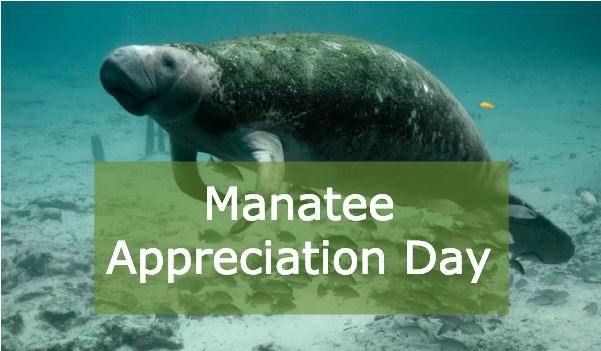
Manatee Appreciation Day is Celebrated on the Last Wednesday in March.This day focuses the world’s attention on an herbivore with no known natural enemy. Let’s Learn about this Beautiful Creature!
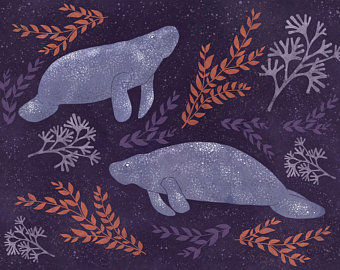
Manatee Facts
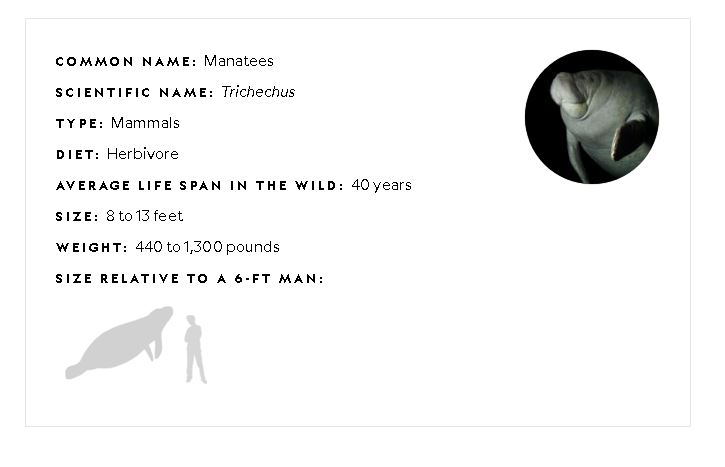
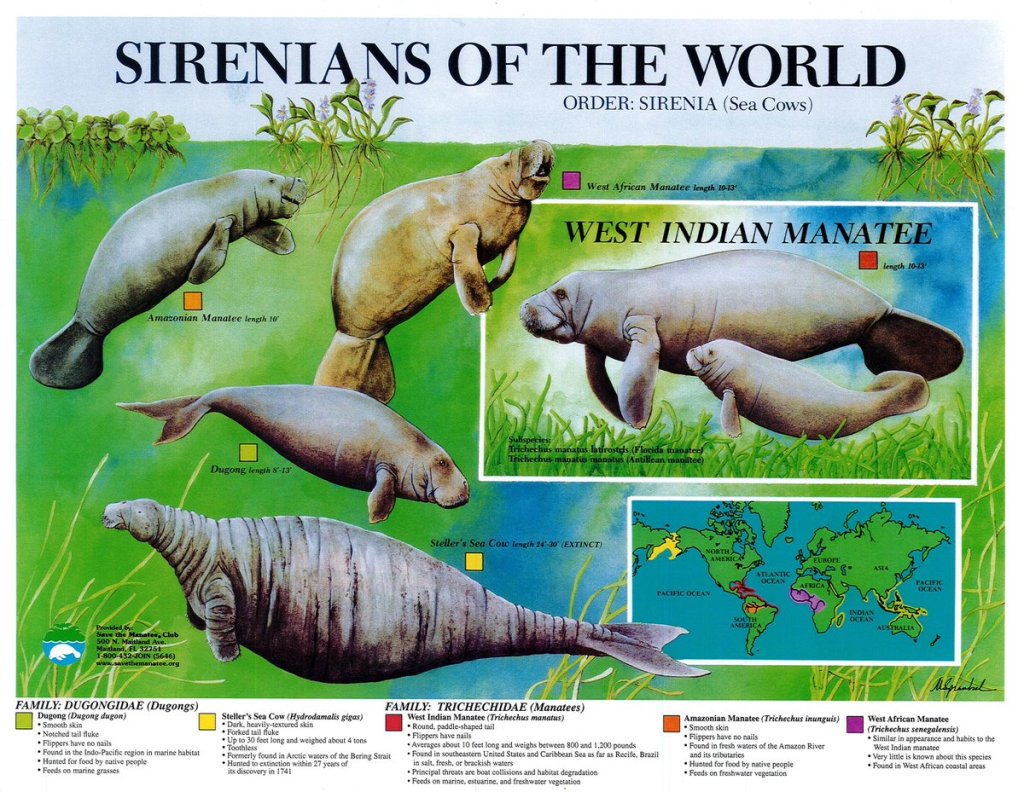
- The manatee is a large marine mammal with an egg-shaped head, flippers and a flat tail. (Live Science)
- They are also called sea cows. This name is apt, due to their large stature; slow, lolling nature; and propensity to be eaten by other animals. (Live Science)
- Manatees are related to the elephant. (Live Science)
- Manatees range in size from 8 to 13 feet (2.4 to 4 meters) and can weigh 440 to 1,300 lbs. (200 to 590 kilograms). (Live Science)
- They have large, strong tails that power their swimming. Manatees usually swim about 5 mph (8 km/h), but they can swim up to 15 mph (24 km/h) in short bursts when they feel a need for speed, according to National Geographic.
- Despite their massive bulk, they are graceful swimmers in coastal waters and rivers. (National Geographic)
- manatees typically glide along at 5 miles an hour but can swim 15 miles an hour in short bursts. (National Geographic)
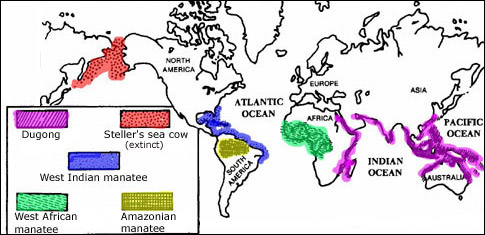
- There are three species of manatee, distinguished primarily by where they live. The West Indian manatee ranges along the North American east coast from Florida to Brazil. The Amazonian manatee species inhabit the Amazon River and the African manatee swims along the west coast and rivers of Africa. (National Geographic)
- Typically, manatees stay in rivers, seas and oceans along the coast of several countries. (Live Science)
- Manatees are born underwater. (National Geographic)
- Mothers must help their calves to the surface so that they can take their first breath, but the infants can typically swim on their own only an hour later. (National Geographic)
- Manatee calves drink their mothers’ milk, but adults are voracious grazers. (National Geographic)
- They eat water grasses, weeds, and algae—and lots of them. A manatee can eat a tenth of its own massive weight in just 24 hours. (National Geographic)
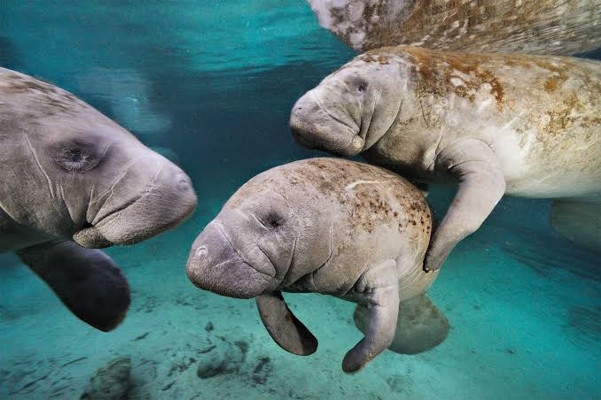
- Manatees often swim alone or in pairs. They are not territorial, so they have no need for a leader or followers. When manatees are seen in a group, it is either a mating herd or an informal meeting of the species simply sharing a warm area that has a large food supply. A group of manatees is called an aggregation. An aggregation usually never grows larger than about six individuals, according to the Save the Manatee Club. (Live Science)

- Due to their immense size, (some weigh up to 1,200 pounds) they graze up to 8 hours a day. (Live Science)
- Manatees continually replace their teeth. A new set is always growing behind the current set of teeth. (Live Science)
- As a migratory species, the American manatee inhabits the Florida waters during the winter and move as far north as Virginia and as far west as Texas in the summer months. (Live Science)
- The most significant challenge manatees face today is the loss of habitat. Currently, there are approximately 3,200 manatees living in the United States. (Live Science)
Manatees Are the “Sea Cows” of the Coasts | Nat Geo Wild
Oldest Manatee – Meet The Record Breakers
If you would like to help Save the Manatees, you can do so at this link. https://www.savethemanatee.org/manatees/
The References used for this article are:
National Geographic https://www.nationalgeographic.com/animals/mammals/group/manatees/
Live Science https://www.livescience.com/27405-manatees.html

I hope you have enjoyed learning about these two great days. I know I enjoyed researching these topics. If you liked this Post please feel free to; Like, Share, Comment, and Subscribe. I look forward to seeing you here again real soon!

 Angelika's World