This series starts with” Staying sane while under Quarantine”.
Pages reference Key
Page 1 will include: Relaxation Music, Online books websites, Audio Books, Crafts, Boredom Busters, free Online Games, and Podcasts.
Page 2: Cartoons Movies for kids to watch with times,
Page 3: Old school TV shows
Page 4: OLD SCHOOL CARTOONS!
As American schools close, us parents are suddenly faced with the challenge of keeping our children occupied at home. This can be quite a struggle I know. Seeing as though my youngest is now 16 years old, I have been there. I will give you my Tricks in hopes that it will help your day go by with less stress. This post will ease the pain just a little bit. We will give you; tried and approved activities for the kids, Online books to read, Audio books, Movies, Cartoons, TV Shows, and more.
The movies, Cartoons, and TV shows we have selected are from the 40-80’s. We tried to get something that they probably have not seen. This might help keep them watching entertained. We hope that the efforts we went through in putting this post together, will ease your suffering. So, lets get started!
Relaxation Music
Relaxation music for kids
Relaxing Disney Piano Music 1hr 16 min run time
Disney Piano Collection 2020 – Disney Piano Medley For Studying And Sleeping
When you’re stuck at home with the kids and have nothing to do, don’t despair! It’s easier than you think to grab the crayons, glue, glitter, and paint and let their creativity shine. The more art supplies you have the better!
Draw a letter, word, or picture (With your fingers) on your friend’s back and have them guess what you drew.
Play “I Spy”
I spy is a guessing game where one player (the spy or it) chooses an object within sight and announces to the other players that “I spy with my little eye, something beginning with…”, naming the first letter of the object. Other players attempt to guess this object.
Happy Saint Patrick’s Day to all my Leprechauns! Today we Celebrate the Irish Culture. We will wear Green, watch Leprechaun movies, drink some festive libations, and eat delicious Irish Cuisines. Today we will be exploring the Culture of Ireland, re-discovering a Saint, learning how to make some Irish Dishes, and watch some videos and movies that relate to the Holiday. I hope you will join me as we Venture into Ireland.
Ireland is known as the Emerald Isle, this is because of its lush greenery and rolling hills. The country receives a lot of rain each year, which keeps the grass green and the plants blooming.
The country’s major exports include food products such as potatoes, lamb and beef. They also export a large amount of zinc, lead, machinery and pharmaceuticals. Their imports include oil, aircraft parts, vehicles, and petroleum gases.
Ireland runs under democratic nation and established their present constitution in 1937.
Northern Ireland is governed by the United Kingdom, while the rest of Ireland is an independent nation.
Ireland is known throughout the world for its vast amount of castles. Ireland’s history is dotted with wars and violence, so castles were built to protect families from invaders. Today, most of the castles are still standing and some can even be visited by tourists.
Irish people speak English, but Irish school children are still taught Irish, which is a Gaelic language.
Most Irish people believe that fairies exist. In their culture, fairies have magical powers and bring happiness and great things to families.
Any person who is born on St. Patrick’s Day in Ireland is considered to be very lucky.
Leprechauns are a huge part of Irish tradition. In Irish folklore, they are tiny men who can fit on top of your shoulder. They are completely harmless, and are believed to have buried numerous pots of gold throughout Ireland.
Guinness Beer is widely popular in Ireland. It first originated in the country, and can be found throughout the country in Pubs and grocery stores.
Over 80% of Ireland’s people are Roman Catholic.
The Celtic cross and shamrock are both associated with Ireland, but the national symbol is actually the harp. (Nation Facts) https://nationfacts.net/ireland-facts/
The Irish National Anthem (English) — John McDermott
“Amhrán na bhFiann” or in English, “A Soldier’s Song”
The shamrock, a small clover which is now the national flower of Ireland, was an important symbol to the ancient Irish Druids as a plant naturally displaying the triad with its three heart-shaped leaves. (Ireland Calling) https://ireland-calling.com/shamrock/
As writer Ken Concannon stated: “There was no formal canonization process in the Church during its first millennium. In the early years of the Church, the title saint was bestowed first upon martyrs, and then upon individuals recognized by tradition as being exceptionally holy during their lifetimes.”
“Consequently, these Irish saints, including St. Patrick, were never actually formally canonized — save one. The exception was Fergal, also known as St. Virgil of Salzburg, an 8th-century missionary scholar who was officially canonized in 1233 by Pope Gregory IX. Virgil is one of only four Irish saints to be canonized by Rome.”
“There was no formal process for canonization in place when Patrick died. He was proclaimed a saint by popular acclaim, probably with the approval of a bishop. The official process for canonization did not come until about the 12th century.”
Patrick was actually the grandson of a priest back when marriage for clerics was not frowned upon. His genius was bringing together the old pagan traditions and the new religion together in harmony in Ireland in the 5th century.
Patrick was the first major figure to reject slavery and for that alone he deserves proper canonization. (Irish Central)
What are Leprechauns?
A leprechaun usually wears a green suit and hat, and is often imagined as an old man with a beard and pointy elf ears. He is as small as a child. Leprechauns usually live alone in the forests, and they make shoes. People can’t see them, but are the victims of their jokes. If ever captured by a human, the Leprechaun has the magical power to grant three wishes in exchange for their release.
Here are some facts about leprechauns.
1. According to the book “The Element Encyclopedia of Magical Creatures,” by John and Caitlin Matthews, the leprechaun legend can be traced back to eighth-century tales of water spirits called “luchorpán,” meaning small body. The legend eventually evolved into a mischievous household fairy said to haunt cellars and drink heavily.
2. Leprechauns are shoemakers. Some researchers claim that the word leprechaun came from the Irish ‘leath bhrogan,’ meaning shoemaker, said to be the sprites’ main vocation.
3. If you happen to come across a leprechaun, be sure to hold on to him. According to Irish legends, people lucky enough to capture a leprechaun can barter his freedom for three wishes. But dealing with a leprechaun can be a tricky proposition.
4. A leprechaun is a trickster figure who cannot be trusted. Folklorist Carol Rose offers a typical tale of leprechaun trickery in her encyclopedia “Spirits, Fairies, Leprechauns, and Goblins,” it concerns “a man who managed to get a leprechaun to show him the bush in the field where his treasure was located. Having no spade [shovel], the man marked the tree with one of his red garters, then kindly released the sprite and went for a spade. Returning almost instantly he found that every one of the numerous trees in the field sported a red garter!”
5. Like most fairies, leprechauns have a distinctive sound associated with them. While the Irish banshee can be identified by a mournful wail, leprechauns are recognized by the tap-tap-tapping of a tiny cobbler hammer, driving nails into shoes, that announces they are near.
6. Leprechauns are always male. In the 1825 book “Fairy Legends” noted that “Leprechauns seem to be entirely male and solitary. They are often described as bearded old men dressed in green and wearing buckled shoes. Sometimes they wear a pointed cap or hat and may smoke a pipe.
7. Leprechauns weren’t always dressed in green. Early tales of the creatures reported red clothing.
8. In his collection of Irish fairy and folk tales, W.B. Yeats offered an 18th-century poem by William Allingham titled “The Lepracaun; Or, Fairy Shoemaker.” It describes the tapping sound of the sprite:
“Lay your ear close to the hill.
Do you not catch the tiny clamour,
Busy click of an elfin hammer,
Voice of the Lepracaun singing shrill
As he merrily plies his trade?”
9. One of the most recognizable leprechauns in popular culture is Lucky the Leprechaun, the mascot of the General Mills breakfast cereal Lucky Charms. On the other end of the pop culture spectrum, you have the homicidal Lubdan from the “Leprechaun” horror/comedy film series.
Lucky Charms History
* Lucky Charms cereal debuted in 1964 with oat pieces in shapes of bells, fish, arrowheads, clovers and X’s and green clovers, pink hearts, orange stars and yellow moons marshmallows.
* The cereal was created by product developer John Holahan. He developed the original prototype based on Cheerios cereal pieces and chopped up pieces of his favorite candy – Circus Peanuts.
* Lucky the leprechaun debuted in 1964 with one of the most expensive advertising roll-outs to that date featuring full color ads in Sunday comics and comic books plus animated ads featuring the charmin’ leprechaun.
* In 1967, a kiss of sugar frosting was added to the oat pieces.
* In 1983, purple horseshoes were added.
Leprechauns are a morality tale figure. The legend warns against greed and the folly of trying to get rich quick.
Ethel and Tommy Barrick are sent to Ireland to spend the summer with their new stepmother. Once there, they discover her to be an evil, power-seeking witch, with real magical powers and a hatred for all things green.
Darby o’Gill and the little people 1959
Disney Production A wily old codger matches wits with the King of the Leprechauns and helps play matchmaker for his daughter and the strapping lad who has replaced him as caretaker. To watch this great Classic Film, Please click the link.
A song-filled Noveltoon featuring the antics of the Irish Leprechauns during their annual gold-washing ceremony. It depicts the wee people of Ireland who flavor its traditions with laughs and legend.
Leapin’ Leprechauns 1995
A man tries to build a theme park on top of land that’s secretly the home to friendly Leprechauns.
Spellbreaker Secret Of The Leprechauns (Leapin’ Leprechauns 2) 1996
Fairyhill Ireland is a place filled with mysteries and legends,Leprechauns and Magic. And for an American Kid like Mike Dennehy, it’s a world of wonderous adventure. Vacationing in Fairyhill for the summer, Mike makes friends with a fascinating group of rather unlucky leprechaunsby Nula, Queen of the Dead – an unbelievably beautiful and sinister witch. can the Queen destroy centuries of Leprechaun power? Will evil triumph? Gather up your lucky charms (you’ll need them!) and get ready for Spellbreaker, the adventure of Mike’s lifetime… and yours!
St Patrick’s Day Parade in Dublin 2016
There you have it! Saint Patrick’s Day Facts, Recipes, Facts about Ireland, and Movies. I hope you have not only Enjoyed this post, but maybe even learned something new. I have enjoyed gathering this information for you all. I hope to see you again very soon! Please feel free to; Share, Like, Comment, and Subscribe to my Page.
Today is Friday the 13th, and many people will be nervously watching everything around them and their own actions. They don’t want to end up Dead or worse, be Cursed. But where does our superstition surrounding this day, known as paraskevidekatriaphobia (fear of Friday the thirteenth), originate from? Stay tuned and you will find out.
Friday the 13th is considered an unlucky day in Western superstition. It occurs when the 13th day of the month in the Gregorian calendar falls on a Friday, which happens at least once every year but can occur up to three times in the same year—for example, in 2015, the 13th fell on a Friday in February, March, and November. 2017 through 2020 will all have two Friday the 13ths, and the years 2021 and 2022 will have just one occurrence each.
The origins of Triskaidekaphobia – the fear of the number 13 – could be traced back to the 19th century belief that Judas Iscariot sat in the 13th place at Jesus’s table at the Last Supper.
Legendary traitor Judas (fourth from left) is said to have been the 13th guest at Jesus’ Last Supper. PAINTING BY LEONARDO DA VINCI VIA GETTY IMAGES
Along with Jesus, there were 12 disciples at this meal, and Judas has come to represent betrayal and bad luck in Western societies. Even if there is no direct biblical evidence linking Judas to the 13th place at the table, the number of guests at the Last Supper and its significance in the Christian religion could have been enough to cement the idea of 13 as an unlucky number in Western cultures, particularly if this idea was promoted by the superstitious Victorians. (Independent UK)https://www.independent.co.uk/news/uk/home-news/friday-the-13th-where-does-it-come-from-and-why-do-we-still-care-a7027366.html
Matthew 26:17-30
The Last Supper
17 On the first day of the Festival of Unleavened Bread, the disciples came to Jesus and asked, “Where do you want us to make preparations for you to eat the Passover?”
18 He replied, “Go into the city to a certain man and tell him, ‘The Teacher says: My appointed time is near. I am going to celebrate the Passover with my disciples at your house.’” 19 So the disciples did as Jesus had directed them and prepared the Passover.
20 When evening came, Jesus was reclining at the table with the Twelve. 21 And while they were eating, he said, “Truly I tell you, one of you will betray me.”
22 They were very sad and began to say to him one after the other, “Surely you don’t mean me, Lord?”
23 Jesus replied, “The one who has dipped his hand into the bowl with me will betray me. 24 The Son of Man will go just as it is written about him. But woe to that man who betrays the Son of Man! It would be better for him if he had not been born.”
25 Then Judas, the one who would betray him, said, “Surely you don’t mean me, Rabbi?”
Jesus answered, “You have said so.”
26 While they were eating, Jesus took bread, and when he had given thanks, he broke it and gave it to his disciples, saying, “Take and eat; this is my body.”
27 Then he took a cup, and when he had given thanks, he gave it to them, saying, “Drink from it, all of you. 28 This is my blood of the[a] covenant, which is poured out for many for the forgiveness of sins. 29 I tell you, I will not drink from this fruit of the vine from now on until that day when I drink it new with you in my Father’s kingdom.”
30 When they had sung a hymn, they went out to the Mount of Olives. (The King James Bible)
One of the most popularized myths attempting to explain the origin of the Friday 13 superstition stems from events on Friday 13 October 1307, when hundreds of Knights Templar were arrested and burnt across France.https://www.historytoday.com/archive/knights-templar-arrested-france
Who Are the Knights Templar? | Knightfall | History
Trial of The Knights Templar (Secrets of the Cross Documentary) | Timeline
Given the Bad luck and awful History of Friday the 13th, It is no surprise that they made Horror Movies out of it. On May 9th in 1980 Movie Producer and Director Sean S. Cunningham made us Fear Camp Crystal Lake.
Friday the 13th was a major box office success, grossing over $59.8 million worldwide. Critical response was divided, with some praising the film’s cinematography, score, and performances, while numerous others derided it for its depiction of graphic violence. Aside from being the first independent film of its kind to secure distribution in the U.S. by a major studio, its box office success led to a long series of sequels, a crossover with A Nightmare on Elm Street, and a 2009 series reboot. (Wikipedia)https://en.wikipedia.org/wiki/Friday_the_13th_(1980_film)
Friday the 13th – 1980 trailer
If you have to pick just one Friday the 13th to watch to celebrate the holiday, the first one might not actually be the best option, as Jason Voorhees famously isn’t even the villain in it. A better choice might be Friday the 13th Part 2, which is one of the best in the series and features the debut of Jason as the antagonist (although he doesn’t actually get his hockey mask until the third film). Otherwise, the Friday the 13th 2009 reboot is actually a fairly good place to start, as it delivers everything you need to know about the series and is a highly enjoyable reimagining that will likely inspire you to check out the originals afterwards. (Cheat sheet)https://www.cheatsheet.com/entertainment/how-where-to-watch-friday-13th-movies-online.html/
10 Things You Didn’t Know About Friday The 13th (1980)
Why Friday the 13th Is a Very Lucky Day, Indeed!
Up until the patriarchal revolution, both Fridays and 13s were held in the very highest esteem. Both the day and the number were associated with the Great Goddesses, and therefore, regarded as the sacred essence of luck and good fortune. Friday was associated with the early Mother Creation Goddesses for whom that day was named. In Anglo-Saxon, Scandinavian, Icelandic, and Teutonic cultures She was called variously, Freya, Freia, Freyja, Fir, Frea and Frig. Friday is Frig’s Day, Frigedaeg, in Old English, Fredag in Danish, Freitag in Dutch. In Mediterranean lands, She reigned as Venus. In Latin, Friday is the Day of Venus, Dies Veneris; Vendredi in French, Venerdi in Italian and Viernes in Spanish.
Friday the 13th is ultimately the celebration of the lives and loves of Lady Luck. On this, Her doubly-dedicated day, let us consider what fortuitous coincidences constitute our fate. The lucky blend of just the right conditions, chemistries, elements, and energies that comprise our universe. The way it all works. The way we are. That we are at all. That, despite whatever major or minor matters we might think are unlucky, we have somehow managed to remain alive and aware. This Friday the 13th, let us stand in full consciousness of the miraculousness of existence and count our blessings. Thank Goddess! Knock on wood! https://www.huffpost.com/entry/friday-13th_b_1418812
Superstitions are also thrown into Friday the 13th. People become worried about everything they do on this day. So naturally, we will look into the many different Superstitions you need to know about to survive this day.
Definition of superstition
1a: a belief or practice resulting from ignorance, fear of the unknown, trust in magic or chance, or a false conception of causation
b: an irrational abject attitude of mind toward the supernatural, nature, or God resulting from superstition
Amazing Things That Happened on a Friday the 13th
Uncle Sam cartoon figure made its debut in the New York Lantern weekly On March 13, 1852
March 13, 1781. The seventh planet – Uranus – was discovered on this date, completely by accident. British astronomer William Herschel was performing a survey of all stars of at least magnitude 8 – stars slightly too faint to be seen with the eye alone, in other words. That’s when he noticed a very faint object – only barely above the limit for viewing with the eye – that that moved in front of the fixed stars. This movement clearly demonstrated the object was closer to us than the stars. At first he thought he had found a comet. Later, he and others realized it was a new planet in orbit around our sun, the first new planet discovered since ancient times.
by Lemuel Francis Abbott,painting,1785
Astronomers later learned they had observed Uranus as far back as 1690. They’d just never really noticed it before. It was Herschel who first realized the true nature of this distant light in our sky.Herschel proposed to name the object Georgium Sidus, after King George III, but those outside of Britain weren’t pleased with the idea. Instead, on the suggestion of astronomer Johann Elert Bode, astronomers decided to follow the convention of naming planets for the ancient gods.
Uranus – an ancient sky god, and one of the earliest gods in Greek mythology – was sometimes called Father Sky and was considered to be the son and husband of Gaia, or Mother Earth.King George III was pleased, whatever the name. As a result of Herschel’s discovery, the king knighted him and appointed him to the position of court astronomer. The pension attached let Herschel quit his day job as a musician and focus his full attention on observing the heavens. He went on to discover several moons around other gas giant planets. He also compiled a catalog of 2,500 celestial objects that’s still in use today. (Earth Sky) https://earthsky.org/space/this-date-in-science-uranus-discovered-completely-by-accident
While hunting fossils for the American Museum of Natural History at Mongolia’s Flaming Cliffs, an expedition team led by Roy Chapman Andrews discovered the first scientifically recognized dinosaur egg fossils. He had gone there to try to find the missing link between apes and mankind, so this was a doozy of a consolation prize.
WELCOME TO HOLLYWOODLAND // JULY 1923
A giant group of letters was inaugurated in Griffith Park, Los Angeles, to signify a housing development owned by H.J. Whitley called Hollywoodland. Today, it’s one of the most recognizable landmarks even though it long ago lost its “land.”
TENNESSEE OUTLAWS EVOLUTION // MARCH 1925
It was an unlucky day for Darwin when the Tennessee Senate voted to prohibit Evolutionary Theory from public universities and schools. The law was deemed constitutional by the Tennessee Supreme Court during the famed Scopes Monkey Trial and wasn’t struck down until 1967.
THE BRITISH INTERPLANETARY SOCIETY // OCTOBER 1933
We may have landed people on the moon in 1969, but people have been dreaming of the stars since long before then. The British Interplanetary Society, the oldest space advocacy group in the world, was founded to boost public awareness of astronautics. Its most famous chairman? None other than Arthur C. Clarke.
HUGHES H-1 RACER SETS A WORLD AIRSPEED RECORD // SEPTEMBER 1935
Hughes H-1 Racer (A19750840000) at the Smithsonian Institution National Air and Space Museum. Photo by Eric Long. Photo taken on August 2, 2016. (A 19750840000-3T8A6013.1) (NASM2018-10633)
Now residing at the National Air and Space Museum, the Hughes H-1 Racer spent an illustrious Friday the 13th in 1935 setting a world airspeed record (567 kph/352 mph). Designed by the legendary Howard Hughes and Richard Palmer, it was the last privately owned aircraft to break the world airspeed record.
THE FIRST HEAVY METAL ALBUM DEBUTS // FEBRUARY 1970
Marked by many music experts as the official birth of heavy metal, Black Sabbath’s eponymous album was released on an appropriately dangerous Friday the 13th in 1970. A remarkably good omen for everyone who wanted to board the crazy train.
WE ALL GET TO PLAY SUPER MARIO BROS. // SEPTEMBER 1985
Undoubtedly one of the most famous video games of all time—and a mega-franchise-launcher and anchor for Nintendo—Super Mario Bros. was released on a fireball-throwing Friday the 13th. It makes sense; it’s a day when many superstitious people refuse to go outside. Play the game for free online at this link. https://www.retrogames.cz/play_005-NES.php?language=EN
See it wasn’t always a bad day! So, in all actuality, Friday the 13th is what you make of it. If you choose to believe that you will be cursed with Bad luck, you will. If you see it for all the good things the day brought, you will have a Good day. It’s all in your Perception! I hope you have enjoyed this post. Please feel free to; Like, share, leave me a Comment, and if you are so inclined, Subscribe.
March 11 is the 71st day of the year day of the year. This is a Fact. However, what else makes this day so special? Join me to explore March 11th through History.
1911
The Cadillac Division of General Motors demonstrated the first electric self starter, enabling women to drive alone. Charles Kettering created the first successful electric self-starter for Cadillac. It was introduced in the 1912 model. The perfection of the self-starter by inventor Charles Kettering enormously expanded the market for the automobile. Kettering, born in Londonville, Ohio, in 1876, had invented an electric cash register motor while at the National Cash Register Company in 1906. In 1909 he organized the Dayton Engineering Laboratories Company, later known as Delco, and soon made notable improvements in automobile ignition and lighting systems. His self-starter was introduced in the 1912 Cadillac. He founded the Charles F. Kettering Foundation dedicated to natural science research and was co-founder of the Sloan-Kettering Institute for Cancer Research. Kettering died in 1958. (History) https://www.history.com/this-day-in-history/charles-f-kettering-inventor-of-electric-self-starter-is-born
How to start a 1912 Cadillac
1968
Otis Redding is the first person in the US to posthumously receive gold record for his single “Sittin’ On the Dock of the Bay”.
Check your TV remotes, garage door openers, thermostat, home security system, wireless gaming controllers and even your cell phone battery. Change the batteries that need it, and note the ones that don’t, for next time.
How to Test Batteries Hack
How to Check a Car Battery with Scotty Kilmer
Got to your Local Car shop or test it yourself
Do you want to figure out exactly how to test a car battery safely yourself and without any hassle? There are several different approaches you can take in order to achieve this task, and none of them are too difficult. Testing your battery can be essential, especially when the battery is old and worn out, and you want to avoid having to deal with jump starting your car at inconvenient times or having your battery die on you in the middle of the highway. However, experts recommend that drivers test their batteries twice a year in order to avoid any chance of failure in time. Start by turning your car off and turning off all the lights. Also, turn off any other electric or electronic device that might use battery power without the ignition on. Next, you can continue by turning your ignition off, however, it’s also a good practice to temporarily disconnect your entire ignition system by removing the fuel pump relay or fuse, or by simply uncoupling the ignition coil (if your car is equipped with a coil, distributor and plug wires). Although knowing how to test a car battery is an important skill, when dealing with a seemingly dead battery, the problem might simply be in the terminals. To do this, with the ignition system disabled, start by touching your multimeter’s red probe to the battery’s positive terminal, then the black probe to the terminal that connects through the cable to the same battery terminal. Then ask someone to assist you by cranking up the engine. In that moment, if the multimeter registers more than .5 volts, it means you most likely have to clean the clamps or replace the cable connecting the battery to your car. Repeat the process with the other battery terminal, but this time switching the probes to connect the black probe to the battery terminal. If you see fluffy or powdery greenish-white deposits around the terminals, it could well just mean that corrosion has built up to a point where it’s preventing the battery from receiving or delivering a charge. Even if you’re not used to the idea of using a multimeter, you’ll find that the process of checking your battery using the multimeter is, in fact, fairly simple. Begin by removing the battery’s positive terminal cover, then clean it to remove any corrosion. Set your voltmeter to the lowest voltage setting that’s above 15 volts, then connect the negative lead to the negative battery terminal and the red lead to the positive terminal. This is essentially the whole process, and now you simply have to know what voltage to expect from your battery. Depending on whether the battery is currently charging or not, the value you read on the voltmeter might vary. If you performed all the steps as above, using either a multimeter or a power probe, you should get a reading between 12.4 and 12.7 volts. Anything lower than 12.2V or higher than 12.9V means your battery either needs a slow charge, or the removal of excess charge. (Autozone) https://shop.advanceautoparts.com/r/advice/car-maintenance/how-to-test-a-car-battery#
Here are some Facts about Johnny Appleseed
Johnny Appleseed’s real name was John Chapman, and he was born in Massachusetts in either 1774 or 1775.
He was barefoot, dressed in rags, and wore a tin pot on his head as a hat.
Wherever he found a suitable spot, he planted apple seeds and educated farmers about nurseries and orchards.
Chapman developed as an orchardist and nurseryman, and by the early 1800s was working on his own. While his legend imagines him as a messy nomad, in reality, Chapman was much more pragmatic. Frontier law allowed people to lay claim to land through development of a permanent homestead. Such a claim could be made by planting 50 apple trees. So in his travels through Pennsylvania, Ohio, and Illinois, Chapman would plant swaths of seeds to begin an orchard, then sell them to settlers once the land had grown bountiful. This made him quite the land baron as he traversed 100,000 square miles of Midwestern wilderness and prairie. When he died on March 11, 1845 at the age of 70, he owned more than 1200 acres of land. (Mental Floss)
Homestead act of 1862
Signed into law by President Abraham Lincoln on May 20, 1862, the Homestead Act encouraged Western migration by providing settlers 160 acres of public land. In exchange, homesteaders paid a small filing fee and were required to complete five years of continuous residence before receiving ownership of the land. After six months of residency, homesteaders also had the option of purchasing the land from the government for $1.25 per acre. The Homestead Act led to the distribution of 80 million acres of public land by 1900. (Library of Congress) https://www.loc.gov/rr/program/bib/ourdocs/homestead.html
The apples that Chapman favored for planting were small and tart “spitters”—named for what you’d likely do if you took a bite of one. But this made them ideal for making hard cider and applejack. This was a far more valuable crop than edible apples. In The Botany of Desire, Michael Pollan wrote:
Up until Prohibition, an apple grown in America was far less likely to be eaten than to wind up in a barrel of cider. In rural areas cider took the place of not only wine and beer but of coffee and tea, juice, and even water.
Chapman was often noted for his threadbare clothes and preference for bare feet. But these eccentricities may have been offerings to his faith, the Church of Swedenborg (also known as The New Church), a Christian denomination established in 1787. The second part of his signature look—that sack of apple seeds—was most definitely accurate. Because the Church forbade its members harming God’s creation, Chapman became a vocal animal rights activist and vegetarian. He also refused to use grafting to create his orchards, believing that this growing technique physically hurt the source plants. So, he carried a large sack of seeds everywhere he traveled. However, his oft-depicted tin pot hat has not been authenticated. (Mental Floss)
YOU CAN STILL VISIT ONE OF HIS TREES.
Nova, Ohio, is home to a 176-year-old tree, the last known to be planted by Johnny Appleseed himself. It grows tart green apples, which are now used for applesauce and baking in addition to cider making. While Chapman might be glad to see his seeds still bearing fruit, he’d likely be sad to hear this tree is a noted bud source for grafting new apple trees. (Mental Floss) https://www.mentalfloss.com/article/62113/9-facts-tell-true-story-johnny-appleseed
Johnny Appleseed: His Real Name and His Ties To Indiana
Apple cider
Disney short film about Johnny Appleseed
Was Johnny Appleseed Wasting His Time?
Crab Apples
A symbol of fertility and a forager’s delight. Crab apple trees are associated with love and marriage and its small, hard fruits make an exquisite, jewel-coloured jelly. (Woodland Trust)
Mythology and symbolism
Crab apples have long been associated with love and marriage. It was said that if you throw the pips into the fire while saying the name of your love, the love is true if the pips explode. Apple wood was burned by the Celts during fertility rites and festivals, and Shakespeare made reference to crab apples in A Midsummer Night’s Dream and Love’s Labour Lost. (Woodland Trust)
Well, that’s it! 🙂 I hope you have learned just as much as I have today. If you enjoyed this post please feel free to; Comment, Like, Share, and Subscribe.
Today we will be examining Historical Holidays and events that made history on this day. We will get to see what this day was like through different years. We will also get to listen to what the day sounded like. So grab a comfy seat and lets get started.
Cereal Defined
Cereal is defined as; any plant of the grass family yielding an edible grain, as wheat, rye, oats, rice, or corn. A breakfast food made from roasted grain, typically eaten with milk.
An American invention, breakfast cereal began as a digestive aid, acquired religious overtones, became a sugary snack and now toggles between health food and sweet indulgence. Throughout that history, it has mirrored changes in the world beyond the breakfast table. Here are some highlights. (Collections Magazine) http://collections.mnhs.org/mnhistorymagazine/articles/59/v59i01p004-016.pdf
1910’s
The Quaker Oats Company, which had acquired a method of forcing rice grains to explode under pressure, began marketing Puffed Rice and Puffed Wheat as a breakthrough in food science, calling them the first “food shot from guns” and “the eighth wonder of the world.”
1920’s
A health clinician accidentally spilled a wheat bran mixture onto a hot stove, creating what would come to be called Wheaties. (Its famous slogan, “Breakfast of Champions,” would first appear on a billboard for a minor league baseball team in Minnesota in the 1930s.)
Rice Krispies, with its characters Snap, Crackle and Pop, soon became a close rival.
1930 kelloggs rice krispies ad
1930’s
The Ralston Purina company introduced an early version of Wheat Chex, calling it Shredded Ralston.
It was intended to feed followers of Ralstonism, a strict, racist social movement that included a belief in controlling the minds of others. (The name Chex, a rice version and the first recipe for Chex Mix would not arrive until the 1950s. And yes, that’s Elizabeth Taylor on this ’50s box.)
Cheerios appeared as CheeriOats but were quickly renamed. (They would become the best-selling cereal in America, worth about $1 billion in sales in 2015. Honey Nut Cheerios, introduced by General Mills in 1979, is the brand’s most popular version.)
1950’s
After World War II, cereal consumption increased with the advent of the baby boom, and sugar became a selling point. Kellogg’s invented Frosted Flakes and its pitchman, Tony the Tiger, and a new era of television advertising began. (Tony shared mascot’s duty for the brand with other characters including Katy the Kangaroo, but they were later phased out.)
Kellogg’s Sugar Frosted Flakes 1950’s Tony Tiger
1960’s
Quisp, a pink-skinned alien in a green jumpsuit, became a madly popular character for the space age. He fought his rival, the miner Quake, in a series of commercials.
Quisp vs Quake Cereal 1965 very 1st Commercial
Quaker Quisp Cereal (1966) – Classic TV Commercial
Quisp and Quake Commercials Vol 1/2 – Quake’s Original Look
Quisp and Quake Commercials Vol 2/2 – Quake’s New Look and Orange Quangaroos
Like Cap’n Crunch, another Quaker product from this decade, the cereals were essentially sweetened corn and oat dough formulated into different shapes. Quake was discontinued, but the saucer-shaped Quisp has been resuscitated periodically, and memorabilia remains in demand.
Cap’n Crunch’s very 1st Commercial
Cap’n Crunch and the mermaid 1965
Cap’n Crunch 1960’s Sing Along
1970’s
The heyday of fruit-flavored and monster cereals filled children’s bowls with Count Chocula, Franken Berry and Boo Berry, General Mills products that still enjoy cult like followings.
70s *Count Chocula* Cereal Commercial
Vintage Old 1970’s Frankenberry and Count Chocula Cereal Commercial
Post’s Fruity Pebbles and Cocoa Pebbles were competitors in a decade when the Federal Trade Commission began taking a harder look at how cereal companies marketed their products to children, and when granola began its commercial comeback.
Flintstones 1970s Post Fruity & Cocoa Pebbles Cereal Commercial
Post: Fruity Pebbles and Cocoa Pebbles Cereal, 1970s 21
1980’s
Co-branding cereal was the game. Mr. T had his own, made from sweetened corn and oats and shaped like a T. (In advertisements, he pitied the fool who didn’t eat it.)
Donkey Kong, Smurf-Berry Crunch and Cabbage Patch Kids cereals also appeared, along with the California Raisins, the claymation quartet that promoted Post Raisin Bran.
Donkey Kong Cereal Commercial 1983
Post Cereal Smurf Berry Crunch 1983 TV Commercial HD
80’s Ads: Cabbage Patch Kids Cereal 1985
Raisin Bran Commercial with California Raisins
California Raisins Heard it Through the Grapevine (Better Quality)
1990’s
Puffins, a molasses-sweetened corn cereal with roots in a small Northern California natural foods bakery, debuted as organic food went mainstream and parents increasingly searched out more healthful cereals. Gorilla Munch, an organic cereal that is part of Nature’s Path EnviroKidz line, soon followed.
Barbara’s Bakery Puffins Cereal
Gorilla Munch Commercial
2000’s
The battle of the virtuous cereals was on. Kellogg’s acquired the Kashi line, just one sign of the exploding market for natural and organic foods. These cereals also became targets for consumers demanding more transparency in labeling and more products without genetically modified or artificial ingredients. The current decade has been all about labeling. Cereals started being promoted as free of genetically modified organisms and gluten, or as containing specific nutrients. Even cereals like Dora the Explorer started selling themselves as whole grain. (NY Times) https://www.nytimes.com/interactive/2016/02/22/dining/history-of-cereal.html
Now that we have learned about Cereal through the years, TIME TO GET TO THE LISTENING PORTION. This day in History we were introduced to some amazing Music. Listen and enjoy music through the years.
1917
1st jazz record released on a 78 by Original Dixieland Jass Band for the Victor Talking Machine Company (“Dixie Jazz Band One Step,” one side “Livery Stable Blues” other)
Original Dixieland Jass Band (ODJB) was founded in New Orleans in 1916. Their first jazz recording is dated 1917. In late 1917 it changed the name’s spelling to “Jazz.”
L’ODJB first members were: Larry Shields (clarinet), Eddie Edwards (trombone), Henry Ragas (piano), Tony Sbarbaro (drums) e Nick LaRocca (cornet).
1939
Guy Lombardo and his Royal Canadians recorded “Auld Lang Syne.”
1957
The Tune Weavers record “Happy Happy Birthday Baby.”
1966
1966 Tina Turner records “River Deep, Mountain High.”
1968
1968 Elvis Presley records “Wonderful World,” “Edge Of Reality,” and “A Little Less Conversation.”
1985
The song “We Are the World” was heard on the radio for the first time.
On January 28, 1985, the music industry and the world came together in an unprecedented outpouring of generosity in response to the tragic famine wreaking havoc in Africa at the time. The biggest names in music ‘checked their egos at the door’ to create what was and still is a worldwide phenomenon. The recording of We Are The World. (Usa Africa) http://usaforafrica.org/
It was written by Michael Jackson and Lionel Richie and produced by Quincy Jones and Michael Omartian for the album We Are the World. It featured 46 vocalists .
Dan Aykroyd
Harry Belafonte
Lindsey Buckingham
Kim Carnes
Ray Charles
Bob Dylan
Sheila E.
Bob Geldof
Hall and Oates
James Ingram
Jackie Jackson
LaToya Jackson
Marlon Jackson
Michael Jackson
Randy Jackson
Tito Jackson
Al Jarreau
Waylon Jennings “Pop-Up Video” stated that he left the recording session due to a dispute over the lyrics.
Soloists: Lionel Richie, Stevie Wonder, Paul Simon, Kenny Rogers, James Ingram, Tina Turner, Billy Joel, Michael Jackson, Diana Ross, Dionne Warwick, Willie Nelson, Al Jarreau, Bruce Springsteen, Kenny Loggins, Steve Perry, Daryl Hall, Huey Lewis, Cyndi Lauper, Kim Carnes, Bob Dylan and Ray Charles (IMDB)
Other performers: Dan Aykroyd, Harry Belafonte, Lindsey Buckingham, Mario Cipollina, Johnny Colla, Sheila E., Bob Geldof, Bill Gibson, Chris Hayes, Sean Hopper, Jackie Jackson, La Toya Jackson, Marlon Jackson, Randy Jackson, Tito Jackson, Waylon Jennings, Bette Midler, John Oates, Jeffrey Osborne, Anita Pointer, June Pointer, Ruth Pointer and Smokey Robinson (IMDB) https://www.imdb.com/title/tt0268756/
The song was released on March 7, 1985, as the first single from the album. A worldwide commercial success, topping music charts throughout the world and becoming the fastest-selling American pop single in history. The first ever single to be certified multi-platinum, “We Are the World” received a Quadruple Platinum certification by the Recording Industry Association of America.
Awarded numerous honors—including three Grammy Awards, one American Music Award, and a People’s Choice Award—the song was promoted with a critically received music video, a home video, a special edition magazine, a simulcast, and several books, posters, and shirts. The promotion and merchandise aided the success of “We Are the World” and raised over $63 million (equivalent to $147 million today) for humanitarian aid in Africa and the US. (Wikipedia) https://en.wikipedia.org/wiki/We_Are_the_World
1987
The Beastie Boys appear on Soul Train, where they perform “Brass Monkey.” They win over host Don Cornelius, who tells them, “You’re very chilling, very hip, and we like your music.”
1987 New Order release “Blue Monday,” which becomes the biggest-selling 12-inch single of all time. The track is reissued twice by the band: in 1988 and 1995. Despite massive success in Europe and on the specialist dance chart, only the 1988 Quincy Jones remix makes it to the mainstream Billboard Hot 100, peaking at #68.
Alexander Graham Bell Day
this day in 1876 when Alexander Graham Bell was granted a patent for the technology that would later become the telephone. On March 7, 1876, Alexander Graham Bell was granted a patent for “transmitting vocal or other sounds telegraphically.” Three days later, on March 10, Bell uttered the famous words “Mr. Watson, come here, I want to see you” into a transmitter. His assistant, Thomas Watson, who was in the next room, heard the words clearly and thus, the first telephone was created.
First Bell Telephone, June 1875. Emile Berliner collection, Motion Picture, Broadcasting and Recorded Sound Division, Library of Congress.
Five Alexander Graham Bell Inventions You Didn’t Know About
Wheat Husker
Photophone: The photophone allowed transmission of speech on a beam of light. (History)
3. Metal Detector: Bell initially came up with this device to locate a bullet inside of assassinated President James A. Garfield. ( History)
4. Hydrofoil boat
4. Audiometer: This gadget was used to detect hearing problems. (History)
Quotes by Bell
While Bell is typically known for what he invented, he’s also remembered for what he said and wrote. Some famous quotes attributed to Bell include:
“When one door closes another door opens; but we so often look so long and so regretfully upon the closed door, that we do not see the ones which open for us.”
“A man’s own judgment should be the final appeal in all that relates to himself.”
“Before anything else, preparation is the key to success.”
“Concentrate all your thoughts upon the work at hand. The sun’s rays do not burn until brought to focus.”
“Great discoveries and improvements invariably involve the cooperation of many minds.”
“The most successful men in the end are those whose success is the result of steady accretion.”
“The only difference between success and failure is the ability to take action.”
“You cannot force ideas. Successful ideas are the result of slow growth.”
“The inventor looks upon the world and is not contented with things as they are. He wants to improve whatever he sees, he wants to benefit the world; he is haunted by an idea. The spirit of invention possesses him, seeking materialization.”
I have enjoyed researching these topics for you today! I hope that you have enjoyed hanging with me today. If you liked this post, please feel free to; Comment, like, Share, and Subscribe to my Page (Via the right side of my Home page). Hope to see you soon!
Reel Film Day is an annual celebration of watching 35mm film prints. This day is celebrated annually on March 5th. The day was founded in 2017 by both Alamo Drafthouse and Kodak.
Today we will be learning about 35mm film and how it is used to create movie magic. Let’s start off with the Basics first. We will define a Reel, Celluloid, and 35mm.
Reel: Photography. a spool on which film, especially motion-picture film, is wound. a roll of motion-picture film.(Dictionary)
Celluloid is a type of plastic that’s transparent and flammable. Until recently, most movies were filmed on celluloid.
35 mm film is a film gauge used in filmmaking. In motion pictures that record on film, 35 mm is the most commonly used gauge. The name of the gauge is not a direct measurement, and refers to the nominal width of the photographic film, which consists of strips 1.377 ± 0.001 inches (34.976 ± 0.025 mm) wide.(Wikipedia)
Now we will learn how to film on a 35mm Video camera. This is a 3-part series of videos. I have put them in, order for your viewing ease.
Now that we have learned about the basics of 35 mm film, let’s look at the difference between film and Digital. We will learn the difference between 35mm film and digital film.
Once upon a time, all movies were shot using machines that would take 24 photographs or “frames” every second and instantaneously leave a negative of those images on a filmstrip. It would then be treated with chemicals and displayed for showings by running the reels containing these strips of pictures through a projector.
Which film sizes are used in Hollywood?
The biggest differences between film cameras is the type of film you want to shoot on – the larger the film frame, the better quality the image as there is more space to capture detail. The most common formats include…
16mm – The smallest size used on professional Hollywood movies is Super 16mm, which will be used either when the filmmaker wants a gritty look or in an effort to save money. It was used on films such as Leaving Las Vegas, Evil Dead and Chasing Amy.
35mm – The traditional film stock used by the vast majority of movies which shoot on film.
VistaVision – VistaVison uses normal 35mm film stock but runs it sideways to give 65% more space to each image.
65mm – Used mostly by directors who have the power to demand the extra budget needed (such as Paul Thomas Anderson’s The Master and Tarantino’s new flick The Hateful Eight) or when the final movie will be distributed on IMAX screens.
70mm – Film stock which is twice as big as big as 35mm. Films projected on 70mm are normally shot on 65mm and blown up to 70mm.
The bigger the film size, the more it will cost (to buy and process) as well as adding size and weight to the cameras you need to use. ( Stephen Follows)
What Is: Film | How Film Works and Its Place in Modern Filmmaking
Chemistry in Motion Pictures How Movie Films are Developed 1940s
How Does Film Get Processed (Modern time methods)?
There are many differences between film and digital photography.
The sensor: The most obvious difference between film and digital is the sensor used to take the photo. With film cameras a film sensitive to light is placed behind the lens. When a photo is taken the shutter opens for a predetermined period of time and light hits the film. The result is a photo “printed” on the film. To take a new photo the film has to be rolled and a fresh “clean” film is place behind the lens. With digital cameras a fixed electronic sensor (sometimes known as CCD) is situated behind the lens. The sensor is built from tiny light sensitive sensors each representing a pixel. When the shutter opens light hits the sensor and each pixel gets its “value”. Put together all the pixels comprise one photo. To take a new photo the photo is saved on a digital media and the CCD is electronically emptied.
What does a different sensor mean? The main difference is in the Depth of Field. Since digital sensors are smaller in size than a 35mm film the depth of field will be much higher and in fact in most compact digital cameras almost infinite. The result is that blur backgrounds can not be created.
The cost of a photo: Photos taken with a digital camera literally cost nothing. The photos are kept in erasable memory and thus can always be discarded at no cost. Also the photos you would like to keep can be copied to digital media such as a computer’s hard disk. With storage prices going down the cost of saving a photo on disk is practically zero. Film does cost money. With a film camera you have to pay for the roll of film, for developing the negative and for printing the photo. Every time you press the shutter button you spend money.
The capacity: With ever growing storage capacities digital cameras today can hold hundreds and sometimes thousands of photos on a single media. You can always have a few more in your pocket and changing is very fast. The result is that a digital camera has practically infinite capacity. You can shoot as many photos as you want and at the end of the day just dump them on your computer’s disk. Film cameras’ capacity is very limited. A roll of 36 photos can only hold 36 photos. After a roll is used changing to a new roll can take time and is not easy to do in scenarios such as darkness or a harsh environment. For that reason many professional journalists carry a few cameras on them and instead of changing rolls they turn and use another camera just so that they do not miss a shooting opportunity.
The feedback: One of the most important features of the digital camera is instant feedback. Almost all digital cameras include a small LCD screen. Once a photo is shot you can go back and watch it on that screen. The ability to see how the photo looks like results in better photos. If the photo is not good you can take another one. Being able to see the photos on the spot results in an educated decision how to fix a photo or how to better compose it. It takes a lot of the guessing away from photography. With film cameras there is no way to know how the photo on the film will look like when printed.
Correcting photos: With digital cameras photos can be corrected using photo editing software. Some correction abilities are built-in to the cameras but many more are available as software packages for your PC. With film cameras what you get is what you get. After the film is developed it is very hard to make any corrections. Usually if corrections are absolutely needed the negative or the printed photo will be scanned (i.e. converted to digital) corrected and then printed again (in a long and costly process).
Changing conditions: Every roll of film is designed for best results in a specific environment. For example there are indoor and outdoor films or films with different light sensitivity. If conditions change rapidly a film camera user will have to either shoot with the wrong film, change the roll (and usually lose photos that were not used in the current roll) or use another camera with a different film in it. The results of shooting with the wrong film can be distorted colors (reddish photos for example), a grainy photo and more.
The first Disney animated film to be shot using 35mm film was Snow white.
While Walt Disney had been at the forefront of the American movie business for years before the release of Snow White and the Seven Dwarfs, it was this cinematic accomplishment that vaulted him into the stratosphere, and defined for decades the full power of what animation could do on a major scale. Snow White and the Seven Dwarfs is the first ever full-length cell-animated picture, (which was of course embedded in 35mm film) as well as the first to be produced entirely in color. The effect it had an audience in 1937 is difficult to calculate – here was a movie unencumbered by the limitations of traditional filmmaking that retained the cinemas power to grip, move, and enchant. Full color, (full sound was standard by 1937) the film was and remains a great classic – the first entry on this list which stands up to the sophisticated modern standards of technical proficiency.
Snow White and the Seven Dwarfs shattered existing box office records for animation (and remains one of the top grossing films of all time when adjusted for inflation), and was so stunning (and yet so outside of the box) that the Academy Awards created an award out of thin air – an Honorary Academy Award for being “a significant screen innovation which has charmed millions and pioneered a great new entertainment field.” None other than Sergei Eisenstein praised it as among the greatest films of all time.
well there you have it! I hope you have enjoyed learning about Film and what makes it important. If you did like the post, please feel free to Like, Comment, Share, and Subscribe. You can subscribe via my home page. Thanks so much for reading!
March 3 is the 62nd day of the year (63rd in leap years) in the Gregorian calendar. 303 days remain until the end of the year. Aside from those facts, what makes it special? We will travel through Time and Space to discover what made this day in History so noteworthy. Hang on because outer space is the limits in which we will climb.
1923 – The first issue of Time magazine was published.
Time, American weekly newsmagazine, published in New York City. Time was the creation of two young journalists, Henry R. Luce and Briton Hadden, who wanted to start a magazine that would inform busy readers in a systematic, concise, and well-organized manner about current events in the United States and the rest of the world. With Hadden as editor and Luce as business manager, they brought out the first issue on March 3, 1923. Time’s format became standard for most other general newsmagazines, consisting of dozens of short articles tersely summarizing information on subjects of importance and general interest and arranged in “departments” covering such fields as national and international affairs, business, education, science, medicine, law, religion, sports, books, and the arts. (Britannica) https://www.britannica.com/topic/Time-American-magazine
The first issue of Time (March 3, 1923), featuring Speaker Joseph G. Cannon.
The first issue of Time was published on March 3, 1923, featuring Joseph G. Cannon, the retired Speaker of the House of Representatives, on its cover. The cover price was 15¢ (equivalent to $2.25 in 2019). (Wikipedia) https://en.wikipedia.org/wiki/Time_(magazine)
1931 – The “Star Spangled Banner
The “Star Spangled Banner,” written by Francis Scott Key, was adopted as the American national anthem. The song was originally a poem known as “Defense of Fort McHenry.”
1814 “Defense of Fort McHenry” is published
The “Defence of Fort McHenry” was a poem written by Francis Scott Key while he was stranded in Baltimore Harbor on a British Warship. At the time, he was on a mission to free his friend, Dr. William Beanes. While on the ship, the two figured out that the British were planning to attack Fort McHenry, and the two were forced to remain on the ship, having to view the battle from afar. This poem was written on the back of an envelope, while inspired by the view of the battle and the view of the beautiful American Flag in the middle of the battle, standing strong, though experiencing damage. This poem was written for the men at battle, as well as those away who were unable to experience the battle. When he reached shore, his poem was published, and was soon set to the tune of a popular song, “To Anacreon in Heaven. which lead to the creation of the “Star-Spangled Banner.”https://sagakay.weebly.com/new-nation.html
The Tune Behind the Star Spangled Banner: The Anacreontic Song
The History of the Star-Spangled Banner Explained: Composer, Flag, Facts, Meaning (2001)
The Star Spangled Banner
Complete version of “The Star-Spangled Banner” showing spelling and punctuation from Francis Scott Key’s manuscript in the Maryland Historical Society collection.
O say can you see, by the dawn’s early light,
What so proudly we hail’d at the twilight’s last gleaming,
Whose broad stripes and bright stars through the perilous fight
O’er the ramparts we watch’d were so gallantly streaming?
And the rocket’s red glare, the bomb bursting in air,
Gave proof through the night that our flag was still there,
O say does that star-spangled banner yet wave
O’er the land of the free and the home of the brave?
On the shore dimly seen through the mists of the deep
Where the foe’s haughty host in dread silence reposes,
What is that which the breeze, o’er the towering steep,
As it fitfully blows, half conceals, half discloses?
Now it catches the gleam of the morning’s first beam,
In full glory reflected now shines in the stream,
‘Tis the star-spangled banner – O long may it wave
O’er the land of the free and the home of the brave!
And where is that band who so vauntingly swore,
That the havoc of war and the battle’s confusion
A home and a Country should leave us no more?
Their blood has wash’d out their foul footstep’s pollution.
No refuge could save the hireling and slave
From the terror of flight or the gloom of the grave,
And the star-spangled banner in triumph doth wave
O’er the land of the free and the home of the brave.
O thus be it ever when freemen shall stand
Between their lov’d home and the war’s desolation!
Blest with vict’ry and peace may the heav’n rescued land
Praise the power that hath made and preserv’d us a nation!
Then conquer we must, when our cause it is just,
And this be our motto – “In God is our trust,”
And the star-spangled banner in triumph shall wave
O’er the land of the free and the home of the brave.
1969 – Apollo 9 was launched by NASA to test a lunar module.
51 Years Ago: Apollo 9 Launched to Test the Lunar Module
At precisely 11:00 AM EST on Mar. 3, 1969, the five F-1 engines roared to life, and the 7.5 million pounds of thrust they generated slowly lifted the 363-foot tall Saturn V rocket off Launch Pad 39A at Kennedy Space Center (KSC). For only the second time, the giant rocket was lofting three astronauts into space, taking the next step to meet President John F. Kennedy’s goal of landing a man on the Moon and returning him safely to Earth before the end of the decade. Riding inside the Apollo 9 Command Module (CM) at the top of the rocket were Commander James A. McDivitt, Command Module Pilot David R. Scott, and Lunar Module Pilot Russell L. Schweickart. The goal of their 10-day Earth orbital mission was to test the Lunar Module (LM), the vehicle designed to land astronauts on the Moon’s surface. The three stages of the Saturn V placed the Apollo 9 spacecraft, still attached to the S-IVB third stage, into a precise orbit just over 11 minutes after liftoff. Weighing 95,231 pounds, Apollo 9 was the heaviest crewed spacecraft placed into Earth orbit to that time. To facilitate communications when the two spacecraft were flying independently, the crew designated their CM Gumdrop and the LM Spider, clear references to the general appearance of the two vehicles.
Apollo 9 crew of (left to right) McDivitt, Scott, and Schweickart, pose in front of their Saturn V rocket at Launch Pad Apollo 9 crew patch Launch of Apollo 9
Controllers in Firing Room 2 of KSC’s Launch Control Center (LCC) monitored the countdown and the launch. Joining them to view the liftoff was Vice President Spiro T. Agnew, accompanied by NASA Acting Administrator Thomas O. Paine and KSC Director Kurt H. Debus. Once the rocket had cleared the launch tower, oversight of the mission transferred from the LCC to Mission Control at the Manned Spacecraft Center, now the Johnson Space Center in Houston. There, three teams of controllers, led by Lead Flight Director Eugene F. Kranz and Flight Directors Gerald D. Griffin and M.P. “Pete” Frank, working in eight-hour shifts, monitored all aspects of the mission until splashdown. The capsule communicator, or Capcom, the astronaut in Mission Control who spoke directly with the crew, during the launch was Stuart A. Roosa. The other two Capcoms during the mission were Ronald E. Evans and Alfred M. Worden.
LM Spider still attached to the S-IVB stage, just prior to transposition and docking.
Less than two hours into the flight, during their second revolution around the Earth, the crew extended Gumdrop’s docking probe at the apex of the cone-shaped spacecraft in preparation for the next phase of the mission – transposition and docking. Two hours and 41 minutes after launch, the Command and Service Module separated from the S-IVB third stage and pulled a safe distance away. The four panels of the Spacecraft LM Adapter (SLA) that protected the LM during launch were jettisoned. McDivitt turned Gumdrop around to face Spider, still attached to the S-IVB, and slowly closed the gap between the two spacecraft, completing a successful docking. About an hour later, springs ejected the docked spacecraft from the S-IVB. Ground controllers over the next few hours twice restarted the S-IVB’s engine to simulate a Trans Lunar Injection, eventually sending the spent rocket stage into solar orbit.
LM Spider still attached to the S-IVB stage, just prior to transposition and docking.
Meanwhile, the crew busied itself with pressurizing the tunnel between Gumdrop and Spider, removed the CM hatch, connected umbilicals to power the LM while the two spacecraft remained docked, and replaced the hatch. The astronauts next performed the first of eight planned burns of the Service Propulsion System (SPS) engine, a five-second maneuver that raised the spacecraft’s orbit to allow better lighting for the rendezvous later in the mission. The burn also validated that the docking mechanism between the two vehicles as well as the LM itself were sturdy enough to handle to firing of the large SPS engine. After some housekeeping chores, the crew settled down for their first night’s sleep in space – for the first time in the Apollo Program, all crewmembers slept at the same time, unlike the previous missions during which at least one crewman was awake at all times to monitor spacecraft systems.
The next morning, after their breakfast, the crew busied itself with preparing for three SPS engine burns during the second day in space. The goal of these firings of varying durations was to demonstrate the controllability of the docked vehicles using the spacecraft’s digital autopilot. The maneuvers also changed the spacecraft’s orbit for better lighting conditions for the subsequent rendezvous and docking operations and reduced the overall weight of the Service Module to minimize fuel needed for later firings and the deorbit burn at the end of the mission. The second maneuver, lasting nearly two minutes, raised the orbit slightly. Three hours later, the SPS-3 burn lasted more than four and one half minutes and also raised the vehicle’s orbit. Another three hours later, the 28-second fourth maneuver adjusted the plane of the orbit. Mission Control considered all three burns successful. The crew began their second sleep period in space, in preparation for the following day’s activities that included entering the LM Spider for the first time. (Nasa) https://www.nasa.gov/feature/50-years-ago-apollo-9-launched-to-test-the-lunar-module
1972 – NASA’s Pioneer 10 spacecrafte was launched.
Pioneer 10 launched and traveled towards Jupiter. It was the first satellite to pass through an asteroid belt and also take close-up pictures of Jupiter with its closest encounter within 81,000 miles of the Jupiter’s cloud tops. Pioneer 10 was the first spacecraft to obtain detailed images of Jupiter and its moons. Between 1972 and 1974, the Deep Space Network (DSN) ground stations had tracked the Pioneer 10 for over 21,000 hours. Pioneer 10 fell silent on its 30 year anniversary in 2002.
You might call them; lunch meats, deli meats, sandwich meats, or cold cuts. Some like them thick, while others stack them mile high. Others still just like them with cheese and crackers. However, you like them, National Cold Cuts Day was made for sandwich and snack makers.
Are deli meats safe? What you need to know about cold cuts
Here are some Highlights I gathered from the Today Show article on Cold cuts.
Fact, 50% of Americans eat one each day.
Cold cuts contain sodium nitrite. sodium nitrite is a salt and an antioxidant that is used to cure ham, bacon and hot dogs. It also stops the growth of botulism-causing bacteria, prevents spoilage and gives cured meats their color and flavor. Sodium nitrite also helps prevent the growth of Listeria monocytogenes, a bacteria that causes the foodborne illness listeriosis.
you have three to five days to use them once opened in the fridge.
Listeriosis causes fever, headaches, fatigue, muscle aches, nausea and vomiting. It’s especially dangerous for pregnant women because even if it doesn’t make the mom feel sick, she can still pass it along to her baby, causing serious complications.
Deli meats and hot dogs are only safe for pregnant women if they are heated to 165°F.
When nitrites combine with amines in meat they create nitrosamines, which some studies have found to be carcinogenic.
according to the World Health Organization (WHO), the consumption of processed meat is associated with small increases in the risk of cancer. And the more you eat, the greater the risk is. But WHO has not been able to determine what it is in processed meat, like deli meat, that actually increases cancer risk.
Processed foods tend to be high in sodium.
A 2-ounce serving of sliced roasted turkey breast contains between 360-590 milligrams of sodium. That’s not so bad, but once you add two slices of bread (240 milligrams), a schmear of mustard (125 milligrams) and perhaps some mayo (85 milligrams), you’re looking at a sodium total of 810 to 1040 for your sammie.
listeria can grow in the refrigerator.
If you enjoy deli meat, eat it occasionally and refrigerate it properly. And it’s safest to avoid eating it while pregnant. (Today show)
a liquid food especially with a meat, fish, or vegetable stock as a base and often containing pieces of solid food (Merriam Webster)
a liquid food made by boiling or simmering meat, fish, or vegetables with various added ingredients. (Dictionary)
Soup It Forward Day: National Soup it Forward Day on March 3rd encourages us to deliver love and kindness by the bowlful because a warm cup of kindness comes in many forms. Deliver a healing pot of your delicious chicken noodle or split pea to a family or friend you know is in need.
Soup Sisters founded National Soup it Forward Day to encourage everyone to make a difference in each other’s lives through the warm, healing kindness of sharing a bowl of soup. Soup Sisters is an award-winning National non-profit organization Founded March 3, 2009. Since that time more than 1 million servings of nurturing and nourishing soup made by community people has been delivered monthly to 40 emergency shelters in North America for women and children fleeing family violence and domestic abuse. The organization’s Founder, Sharon Hapton launched Soup Sisters by celebrating a milestone birthday with a soup-making birthday party that provided the first delivery of soup to the Calgary Women’s Emergency shelter. That is the simplicity of Sharon’s vision: to give people a way to give back to their community by doing something tangible – getting into the kitchen, spending a night with friends, rolling up their sleeves and creating something heartwarming, heartfelt and with it a message of support to women and kids in crisis. Now operating in over 25 cities Soup Sisters and Broth Brothers deliver the gift of soup by providing a much needed ‘Hug in a Bowl’.https://soupsisters.org/
25 Winter Soups Recipes | Cold Weather Soup and Stew Super Comp | Well Done
world wildlife day
Illustration for the 2020 World Wildlife Day campaign under the theme “Sustaining all life on Earth.” Credit: World Wildlife Day/Patrick George.
On World Wildlife Day 2020, we will celebrate the special place of wild plants and animals in their many varied and beautiful forms as a component of the world’s biological diversity. https://www.wildlifeday.org/about
Amazing Animals With Unusual Superpowers – Wildlife Documentary HD
Wildest Australia – The Secrets of Nature
Saudi Arabia Desert Seas
That’s all folks! I hope this post educated you in a small way. I sure learned plenty from creating and researching for this post. If you enjoyed this content, please feel free to like, Share, and Subscribe! Hope to see you soon!
Today we will be examining what makes Leap day so special. Leap day is an extra day added to our Calendars. Thanks to Leap day we have Superman! Thanks to Leap Day we have Heqet the Goddess. We also have a Love for Frogs thanks to the day. So, Sit back and read on, as we dive into the fascinating reality that is Leap Day!
The point of leap years is to help adjust our Gregorian calendar (aka, the 365-day calendar you can find on your desk or phone) to the solar calendar (A solar calendar is a calendar whose dates indicate the season or almost equivalently the apparent position of the Sun relative to the stars. The Gregorian calendar, widely accepted as standard in the world, is an example of a solar calendar.) , and make sure we celebrate solar events like the spring and autumn equinoxes with some regularity every year. Even adding an extra day to February every four years doesn’t quite do the trick, which is why scientists sometimes call for a Leap Second like they did in 2015 on June 30th at 11:59:60 pm. (Readers Digest) Put simply, these additional 24 hours are built into the calendar to ensure that it stays in line with the Earth’s movement around the Sun. While the modern calendar contains 365 days, the actual time it takes for Earth to orbit its star is slightly longer—roughly 365.2421 days. The difference might seem negligible, but over decades and centuries that missing quarter of a day per year can add up. To ensure consistency with the true astronomical year, it is necessary to periodically add in an extra day to make up the lost time and get the calendar back in synch with the heavens. (History) https://www.history.com/news/why-do-we-have-leap-year
Aztec Solar Calendar
How do you remember if it’s a leap year?
Simple: If the last two digits of the year are divisible by four (e.g. 2016, 2020, 2024…) then it’s a leap year. Century years are the exception to this rule. They must be divisible by 400 to be leap years—so, 2000 and 2400 are leap years, but 2100 will not be one. As a bonus, U.S. leap years almost always coincide with election years. (Readers Digest) https://www.rd.com/culture/february-29th-leap-year-facts/
People born on Leap Day are called ‘Leaplings’ They are also known as Leapsters or Leapers. There are only about 5 million people in the whole world who were born on February 29, with the odds of being born on Leap Day standing at about 1-in-1,461. Leaplings technically only get to celebrate their birthdays once every four years, but they do get to be part of an elite group. (History)
They’ve all heard the jokes about their age — that someone turning 28 is celebrating his seventh birthday — and every Leapling has grappled with whether to have a party on February 28 or March 1 on those non-Leap Years.
But what does the law say?
Well, it varies from country to country — and even among US states.
Most countries and territories tend to recognize that a Leap Day baby has legally ‘aged’ on March 1 of non-Leap Years, including England, Wales, Hong Kong.
Most of the US follows this, too. According to Reuters, only some states have statues that say which date should be used. For those that don’t, the default is March 1. For those that do, it is typically to signify that it is February 28.
New Zealand also uses February 28, as does Taiwan.
There is a club for Leaplings that’s 10,000 members strong
Full-time employees with a fixed annual salary who work on February 29 may actually be working for free. An annual salary is technically set for a typical year, which doesn’t include the extra day every four years. This is not an issue when people are paid by the hour.
Anthony, New Mexico/Texas has held the title since 1988, when two women, Mary Ann Brown and Birdie Lewis, both born on February 29, asked the town’s Chamber of Commerce to host a giant birthday party for everyone born on a leap day, along with a festival honoring the leap year in general. Brown and Lewis said the Chamber that the celebrations would promote the small farming community.
So who designated frogs the unofficial official mascot of the leap year?
I couldn’t find an answer to that question, but regardless of which animal or insect would be your choice for the leap year mascot, I still go with the frog. Why? Perhaps it is because leap means “to jump or spring a long way, to a great height, or with great force.”1 But why frogs? Bunnies, kangaroos, grasshoppers, and sturgeon also leap. So do some spiders! Well, Mother Nature and evolution have granted frogs some fantastical traits and abilities.
Awesome Facts About Frogs
There are over 4,700 species of frogs! They are found on every continent except Antarctica.
Every year that a frog goes into hibernation, a new layer of bone forms. You can count these rings to find out the frog’s age.
Many frogs can jump 20 times their own height. Some can jump even higher!
Frogs come in all sorts of colors. The colorful skin of many tropical frogs acts as a warning to predators that these frogs are poisonous.
The study of amphibians and reptiles is called Herpetology, and those who study them are called Herpetologists. The name comes from the Greek word Herpeton which means “something that crawls”.
One of the ways you can tell a male frog from a female is by looking at their ears. A frog’s ear is called tympanum and it is located just behind the eye. If the tympanum is larger than the frog’s eye, it is male; if it is smaller, it is female.
Did you know that frogs moult? This is the process where they shed their skin. Most frogs moult once a week but some will do it every day! Once the old skin has been pulled off, the frog usually eats it!
Croaking is used by male frogs as a way to attract females. Each frog species has a distinct croak. They have vocal sacs, which fill with air, and can amplify the sound up to a mile away!
Frogs have teeth on their upper jaw, which they use to keep their prey in one place until they can swallow it. Frogs swallow using their eyes; its eyes retract into its head and help push the food down its throat.
Frogs don’t drink water with their mouths; they “drink” by absorbing water through their skin. Frogs have permeable skin, which means liquids and gases can pass through it. There is a bad side to having permeable skin, though. Frogs are at risk of absorbing whatever pollutions are in the water and air, and they can easily get dehydrated if they are away from water for too long. (Earth Rangers) https://www.earthrangers.com/top-10/top-ten-awesome-facts-about-frogs/
When a frog swallows its prey, it blinks, which pushes its eyeballs down on top of the mouth to help push the food down its throat. (Smithsonian)
The glass frog has translucent skin, so you can see its internal organs, bones and muscles through its skin. You can even observe its heart beating and its stomach digesting food. (Smithsonian) To learn more about the Glass frog, click this link. https://www.rainforest-alliance.org/species/northern-glass-frog
World’s biggest frog
The biggest frog in the world is the Goliath frog. It lives in West Africa and can measure more than a foot in length and weigh more than 7 pounds – as much as a newborn baby. (Smithsonian) to learn more about the Goliath frog, please click the link. https://animals.sandiegozoo.org/animals/goliath-frog
One gram of the toxin produced by the skin of the golden poison dart frog could kill 100,000 people.
The female Surinam toad lays up to 100 eggs, which are then distributed over her back. Her skin swells around the eggs until they become embedded in a honeycomb-like structure. After 12 to 20 weeks, fully formed young toads emerge by pushing out through the membrane covering the toad’s back.
In 1834, Charles Darwin discovered a strange animal during his exploration of Chile’s southern coast. The creature, a small frog, was shaped like a leaf with a pointed nose, but appeared puffed up as if had been blown full of air, like a balloon. As it turned out, those fat male frogs hadn’t been gorging themselves on too many mosquitoes, but instead were enacting duties that earn them distinction as one of nature’s best dads. They were incubating several of their squirming babies in their vocal sac. These peculiar animals, known as Darwin’s frogs, are today divided into two species, one that occurs in northern Chile, and another that lives in southern Chile and Argentina. When a female Darwin’s frogs lay her eggs, her mate keep a careful watch until the tadpoles hatch. The eager dad then swallows his young, allowing the babies to safely grow within his vocal sac until they turn into frogs and are ready to strike out on their own. (Smithsonian) https://www.smithsonianmag.com/science-nature/one-of-natures-most-extreme-dads-the-darwins-frog-is-going-extinct-180947796/
In Egypt the frog is the symbol of life and fertility, and in Egyptian mythology Heget is a frog-goddess who represents fertility.
Heqet (Heqat, Heket) was a goddess of childbirth and fertility in Ancient Egypt. She was depicted as a frog, or a woman with the head of a frog. The meaning of her name is not certain, but possibly derived from the word “heqa” meaning “ruler” or “sceptre”. Frogs symbolised fruitfulness and new life, and it is thought that the her priestesses were trained midwives.
Pregnant women wore amulets depicting Heqet for protection, and during the Middle Kingdom ritual ivory knives and clappers inscribed with her name were used to ward off evil during childbirth. She could also bring on labour and offer protection during labour. Heqet assisted in this manner in the deliverance of three fifth dynasty kings, according to a myth recorded in the Westcar papyrus in the Story of the birth of the three pharaohs which appears at the end of the tale of “Khufu and the Magicians”.
She was also involved in the resurrection of the deceased. In the pyramid texts she assists the pharaoh as he makes his way to the eternal stars sky and is depicted beneath the funeral beir of the deceased Osiris in Denderah. There was a Ptolemaic temple to Heqet at Qus, but only one pylon remains. There is also a reference to a temple at Her-wer in a tomb at Tuna el-Gebel, but so far this temple has not been found. (Ancient Egypt online UK) https://ancientegyptonline.co.uk/heqet/
Thanks for hanging around me with today! I hope to see you here again real soon. If this post has interested you, please feel free to leave a comment. If you have cruised my other posts and found that you like them, please feel free to Subscribe. As always, feel free to share this post and all my posts to your pages and with your Family/Friends.
We Americans love desserts. While it’s hard to choose between all the amazing desserts that our fine country has to offer, for us, nothing is better than pie. And it seems that the rest of the country agrees.
When the average American lists his or her favorite desserts, they tend to be ice cream, cake, cookies and, you guessed it, pie. Even better… you can combine two of America’s favorite desserts for pie à la mode. According to the American Pie Council, about 186 million pies are sold each year in grocery stores alone. Now that’s a lot of pie!
The History of Pie
The purpose of a pastry shell was mainly to serve as a baking dish, storage container, and serving vessel, and these are often too hard to actually eat. For hundreds of years, it was the only form of baking container used, meaning everything was a pie.
The first pies, called “coffins” or “coffyns” (the word actually meant a basket or box) were savory meat pies with the crusts or pastry being tall, straight-sided with sealed-on floors and lids. Open-crust pastry (not tops or lids) were known as “traps.” These pies held assorted meats and sauce components and were baked more like a modern casserole with no pan (the crust itself was the pan, its pastry tough and inedible). These crust were often made several inches thick to withstand many hours of baking.
6000 B.C. – Historians have recorded that the roots of pie can loosely be traced back to the ancient Egyptians during the Neolithic Period or New Stone Age beginning around 6000 BC. The Neolithic Period is characterized by the use of stone tools shaped by polishing or grinding, the domestication of plants or animals, the establishment of permanent villages, and the practice of such crafts as pottery and weaving. These early forms of pies are known as galettes, which are essentially rustic free-form pies. Our ancestors made these pie-like treats with oat, wheat, rye, and barley, then filled them with honey and baked the dish over hot coals.
Animated Pies
Animated pies or pyes were the most popular banquet entertainment. The nursery rhyme “Sing a Song of Sixpence . . . four and twenty blackbirds baked in a pie,” refers to such a pie. According to the rhyme, “When the pie was opened, the birds began to sing. Wasn’t that a dainty dish to set before the King.” In all likelihood, those birds not only sang, but flew briskly out at the assembled guests. Rabbits, frogs, turtles, other small animals, and even small people (dwarfs) were also set into pies, either alone or with birds, to be released when the crust was cut. The dwarf would emerge and walk down the length of the table, reciting poetry, sketching the guests, or doing tricks.
A Cheeky History of Pie
Laws of Pie
First Law of Pies: Pies must have a pastry made from some sort of grain, wheat, rice, cracker or cookie crumbs. No pastry, No pie!
Second Law of Pies: Pies must be baked in an oven at some time of the process or pseudo bake – like no baked pie custards. Pies are not fried, boiled or steamed.
Third Law of Pies: A pie shall be baked in some form of a dish – metal, ceramic or glass.
Fourth Law of Pie: A pie in America must have a bottom crust of some sort of pastry.
Fifth Law of Pie: A pie must have a pastry that comes up on the sides to contain its filling.
British tradition says that the first cherry pie was served to Queen Elizabeth I in the late 16th century. (Britain Magazine)
Fun Facts about Cherries and Cherry Pies
The pie came to America when the first English settlers arrived in America in 1607.
Cherry pie is often referred to as a Great American Dish.
Unlike our pies that are cooked in round pie plates, early cherry pies were cooked in long narrow pans called “coffyns.”
Fruit pies first appeared in the 1500s. (Britain Magazine)
The crusty top/lid of a pie actually served to preserve the food as a sort of container – in fact the shells were tough and basically inedible, but they served well as a sort of utensil to eat the filling before being discarded. (Britain Magazine)
The pie crust did not get its own culinary term until the American Revolution
Cherry pie is the 4th most popular pie in the USA with apple pie being more popular.
4th – Cherry Pie The popularity of cherry pie is in part thanks to the state of Michigan, which produces about 75% of tart cherries in the U.S. The state is also home to the National Cherry Festival in Traverse City, Mich., which is known as the cherry capital of the world. https://www.cherryfestival.org/
Thanks, Michigan, for bringing us these tasty and tart treats!
Oliver Cromwell banned the eating of all pies in 1644, believing the consumption of pie to be a pagan pleasure. This has some debate.
Mince pie ban
Legend:It has been claimedthat the act of eating a mince pie on Christmas Day is illegal in England.
Evidence: Festive celebrations, including mince pies and Christmas puddings, were reportedly banned in Oliver Cromwell’s England as part of efforts to tackle gluttony.
But the ban did not survive when Charles II became king. In fact, the Law Commission says none of the 11 laws that remained on the statute books after Cromwell’s reign related to mince pies. Verdict: Myth. (BBC) https://www.bbc.com/news/magazine-17610820
The best choice of cherries for cherry pies are tart and a little sour, such as Morello, Bing, or Montmorency. These cherries keep their shape well during baking process and give your pie a great flavor.
Morello CherriesBing CherriesMontmorency Cherries
Cherry Pie Recipes
Cheery cherry cheese pie recipe
yield: 8
prep time: 20 MINUTES
additional time: 3 HOURS
total time: 3 HOURS 20 MINUTES
Ingredients
1 package (8 oz) cream cheese, softened
1 can (14 oz) Eagle brand sweetened condensed milk
1/3 cup ReaLemon lemon juice
1 tsp. vanilla
1 Johnston’s graham cracker Ready-Crust pie crust
1 16-ounce can cherry pie filling, chilled
Instructions
In a medium bowl, beat cheese until light and fluffy.
Add sweetened condensed milk; blend thoroughly.
Stir in ReaLemon and vanilla.
Pour into pie crust. Chill at least 3 hours or until well set.
Top with the desired amount of pie filling before serving.
Refrigerate leftovers.
Impossible Cherry Pie
The pie that’s impossibly easy because it makes its own crust. And it’s filled with the harvest-fresh goodness of Thank You Brand cherry pie filling.
1 cup milk 2 tablespoons margarine or butter, softened 1/4 teaspoon almond extract 2 eggs 1/2 cup Bisquick baking mix 1/4 cup sugar 1 can (21 ounces) Thank You cherry pie filling (or Thank You Lite cherry pie filling) Streusel (below)
Heat oven to 400°. Grease pie plate, 10 x 1 1/2 inches. Beat all ingredients except pie filling and Streusel until smooth, 15 seconds in blender on high or 1 minute with hand beater. Pour into plate. Spoon pie filling evenly over top. Bake 25 minutes. Top with Streusel. Bake until Streusel is brown, about 10 minutes longer. Cool; refrigerate any remaining pie.
Streusel: Cut 2 tablespoons firm margarine or butter into 1/2 cup Bisquick baking mix, 1/2 cup packed brown sugar and 1/2 teaspoon ground cinnamon until crumbly. Recipe card taken from: https://recipecurio.com/impossible-cherry-pie-recipe-clipping/
Pie crust Ads
Easy Cherry Pie | Pillsbury Recipe
Bisquick cherry cobbler
How Are Pie and Cobbler Different?
While the sheer enjoyment resulting from either fruit dessert is about equal (and both play quite nicely with a scoop of vanilla ice cream or fluffy dollop of whipped cream), pie and cobbler require different levels of finesse. Cobblers are rougher and perhaps more rustic, while an expert pie dough takes a bit of practice to get just right. A cobbler recipe can be whipped up in roughly an hour, whereas a pie can take all day. These pie sub-categories are all very similar in that they’re based on the same two ingredients: fruit and dough. But a few key details distinguish one from the other.
One way to differentiate between pie and cobbler is through the crust. Pies are encased in pastry, either just on the bottom or on both top and bottom. Cobblers, on the other hand, are simply topped with some sort of baked pastry or dough. Aside from that fundamental distinction, both pies and cobblers are infinitely variable.
Pies are typically baked in a simple crust made from fat, flour and water, though your own family recipe might include eggs, vinegar or other ingredients. Most pies are baked in a pie pan, a round dish with sloping sides.
Cobblers have one crust, and it goes on top. Fill your favorite baking dish with fruit, put a crust over it, and you’re good to go. That part is universally accepted, but your choice of crust sparks a whole differentdiscussion.
Some bakers simply use a sheet of pie crust, perhaps rolled a little more thickly than it would be for a pie.
Others use some form of biscuit dough, either rolled and cut or simply dropped on top of the fruit from a large spoon.
Yet another tradition calls for a wet, cake-like batter to be poured over the fruit, baking to a golden finish on top but soft and rich with juice underneath. For convenience-minded bakers, that type of crust is now often made with a boxed cake mix.
Which crust you choose is a matter of regional or even personal preference, but they’re all perfectly valid options. Use what you have, and don’t worry about it. Cobblers have always been a rustic dessert, and using what you’ve got is a fundamental part of the country-kitchen ethos. That’s why cobblers have so many cousins, with so many names. https://www.leaf.tv/articles/difference-between-pie-and-cobbler/
Pro Tips for the Best Cherry Pie:
Freeze the unbaked pie 10-15 minutes while the oven preheats (keeps crust from browning too fast).
Brush the pie crust with egg wash (1 egg beaten with 1 Tbsp milk or water) and sprinkle with coarse sugar just before baking.
Arrange oven rack to the lower third of the oven.
For easier cleanup: place a sheet of foil (or slide a sheet pan) under the pie once you turn the heat down to 350˚F.
Pie from above video
Cherry Pie Ingredients:
6 cups cherries, pitted (2 1/4 lbs)
1 Tbsp lemon juice
3/4 cups sugar (use 1 cup for sour cherry pie)
5 Tbsp corn starch
1/2 tsp cinnamon
1 Tbsp butter, diced, to dot the top
Egg Wash:
1 egg
1 Tbsp milk (or water)
1 Tbsp coarse sugar
Instructions
Make pie crusts and refrigerate 1 hour before using. Arrange oven rack in the lower third of the oven.
In a small bowl, whisk together 3/4 cup sugar, 5 Tbsp corn starch and 1/2 tsp cinnamon.
Pit cherries and transfer to a large bowl. Stir in 1 Tbsp lemon juice. Sprinkle on sugar/cornstarch mixture and stir together until evenly moist.
Roll the first pie crust disk into a 13″ circle and transfer to a 9″ wide pie pan. The edges should hang a little over the edge of the pan. Pour the cherry mixture over the bottom crust along with any accumulated juices. Dot with Butter.
Roll the second crust into a 12″ circle and use a pizza cutter to slice into ten 1-inch strips. Using the 10 strips of dough, create a lattice crust over the top (see photo tutorial on Natasha’s Kitchen). Tuck in the excess dough at edges then pinch the edges to seal or crimp edges if desired. Refrigerate pie 30 minutes (or freeze 15 minutes) while preheating oven to 425˚F.
Beat together 1 egg and 1 Tbsp milk or water and brush the egg wash over the lattice crust and edges. Sprinkle the top with 1 Tbsp coarse sugar. Bake in the lower third of the oven at 425 ˚F for 25 minutes.
Place a sheet of foil or baking sheet beneath the pie, reduce oven temperature to 350˚F, and bake additional 30-35 minutes, or until crust is golden and cherry juice is bubbling through the lattice top.
Cherry Pie Music
Cherry Pie by Marvin & Johnny 1954 (Original)
Same song re -done by Different singers. Skip & Flip – Cherry Pie 1960
On February 3, 1959, a small plane crashed near Clear Lake, Iowa. The accident killed three American rock and roll icons: Buddy Holly, Ritchie Valens, and J. P. “The Big Bopper” Richardson. Their pilot, Roger Peterson, also perished. American singer-songwriter Don McLean called it The Day The Music Died, in his famous song—one of my all time favorites—“American Pie.”
I hope you have learned a few things from this post. I never thought that Pie was so Complicated. Today we salute Queen Elizabeth I, for this Delectable Fruitgasm we call, Cherry Pie! If you liked this Post, please feel free to Like/Share/ and Subscribe to my Page.
February 19th has been a Day of Great significance throughout the ages. I have chosen 7 Historical changes to discuss with you today. I tried to get some from multiple Generations without bringing up Bad events. So here they are in Chronological order.
1878
Thomas Edison patents the phonograph It was the first machine able to reproduce recorded sound.
“a device that designed to record and reproduce audio recordings. The phonograph utilized audio recorded by recreating audio vibrations in corresponding physical deviations of a spiral groove engraved, etched, incised, or impressed into the surface of a rotating cylinder or disc. The earliest versions of the phonograph used embossed tin or wax cylinders, but later development led to etched discs that became the vinyl “records” still in use today.
There were a few earlier versions of devices that could record data, but Edison’s was the first to successfully reproduce sound. His earliest version, which was rotated by hand, was able to reproduce a recitation of “Mary Had a Little Lamb.”
The Phonograph proved an interesting turning point in how data could be stored and recorded. By replicating soundwaves in physical format, Edison proved that it was possible to create and store more than visual information for later reproduction. His work opened up the field of data storage in a way that has very real implications today.
Industrial control systems must record far more than small pieces of audio, but with the storage capabilities of cloud computing, Big Data is possible in a way that it might not have been without innovations in data storage and recovery. So on this day in history, we give our thanks to Thomas Edison and his revolutionary phonograph.” ( Indusoft)
foods and treats made with chocolate mint, which is flavored chocolate that is also known as mint chocolate. Chocolate mint can be found in ice cream, candy, mints, cookies, hot chocolate, and various desserts. A variety of mint flavors may be used to make chocolate mint, such as peppermint or spearmint.
There is even a hybrid mint plant called chocolate mint that can be used. The use of crème de menthe flavoring is also common. The mint is added to milk chocolate, dark chocolate, or even white chocolate. Chocolate mint is different from mint patties, which have a peppermint cream center and a chocolate shell. An early type of chocolate mint was Frango mints, first made in 1918
T- The Ford Bird appears as a prototype but did not selling until late in 1954 costing $2,900
“The Ford T Bird sat on a 102-inch wheelbase with a petite, 175.3-inch length (full-sized Fords stretched to 115.5 and 198.5 inches) It featured a standard removable 85-lb. fiberglass hardtop (whose ‘blind’ rear quarters were based on the roof of the Continental Mark II), as well as a tachometer, a vinyl-trimmed full-width foam rubber seat, a six-volt electrical system and a 292-cu.in. V-8 engine. Options included a folding cloth top (which could replace or join the hard top), power steering, brakes and windows and an air-cooled, floor-shifted Ford-O-Matic three-speed automatic transmission or overdrive for the floor-shifted three-speed manual gearbox. The 1955 Thunderbird was a winner from the start. Its interior, with two-toned seat upholstery and engine-turned aluminum trim, was an attractive match for the low and lithe exterior. The standard engine was a 4-bbl. Holley-carbureted P-code 292-cu.in. Y-Block V-8; with its 3.75 x 3.30-inch bore and stroke, dual exhausts and 8.1:1 compression ratio, it made 193hp at 4,400 rpm and 280-lbs.ft. of torque at 2,600 rpm with a manual transmission. Ford-O-Matic-equipped cars had 8.5 compression and made 198hp and 286-lbs.ft. of torque.” (Hemmings) https://www.hemmings.com/blog/article/1955-57-ford-thunderbird/
1985
1985 – Cherry Coke was introduced by the Coca-Cola Company.
“Cherry Coke launched in early 1985 in select U.S. cities and rolled out nationwide that summer. It was “the first major entry into a whole new category: cherry-flavored sodas,” Brian Dyson, president of Coca-Cola USA, told The Coca-Cola Bottler at the time. The release of what one Atlanta Constitution contributor called “a wonderful memory” came after years of research and development, consumer testing at the 1982 World’s Fair, and thousands of requests from thirsty Americans for cherry-flavored Coke. Just 10 weeks after its debut, the Cherry Coke brand had a consumer awareness level of 91%.” (Coke Solutions) https://www.cokesolutions.com/products/articles/three-decades-of-the-timeless-taste-of-cherry-coke.html
That’s the seven History making events that occurred on today’s date in History. I know these have change us all for the better. I hope that these Facts and Tidbits filled your day with good Trivia. If you enjoyed this post, please feel free to; Share/Like/Comment/and Subscribe.












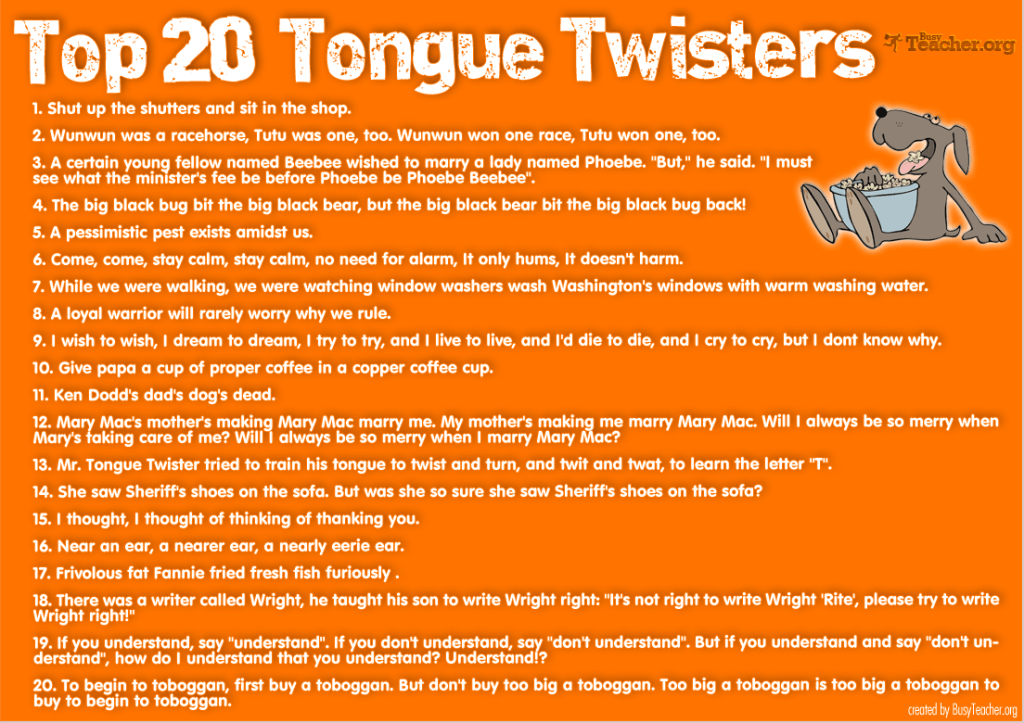
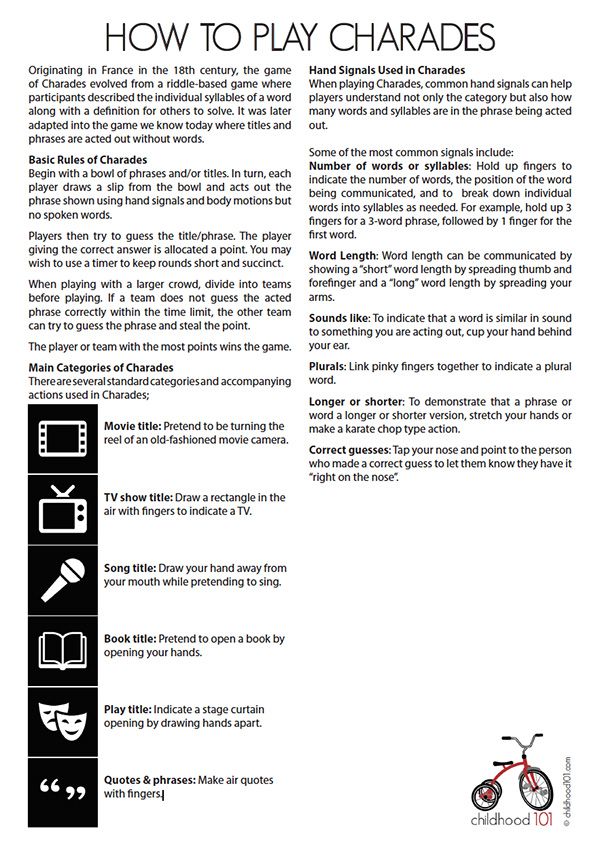
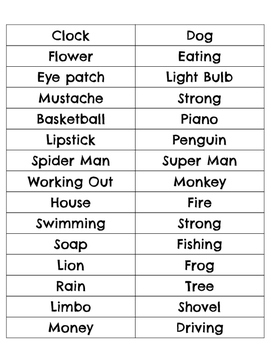
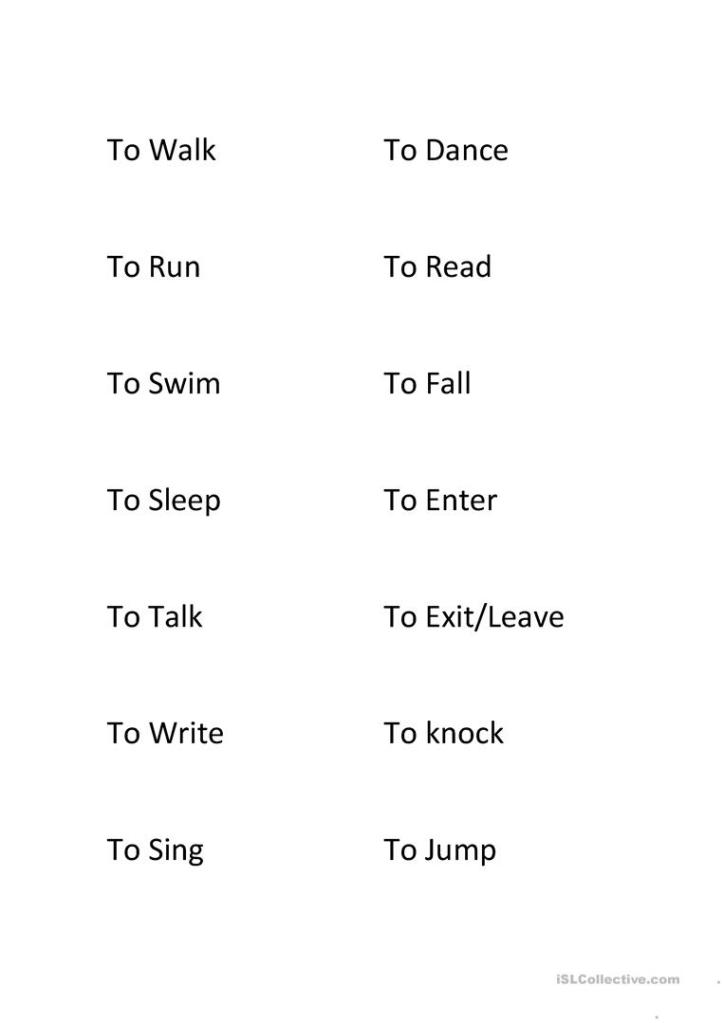
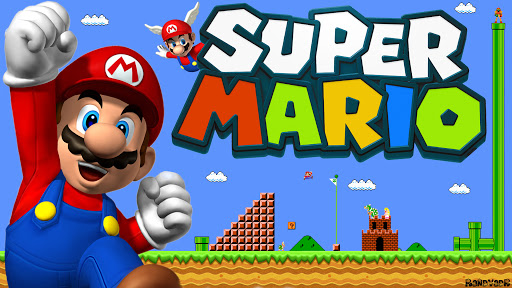



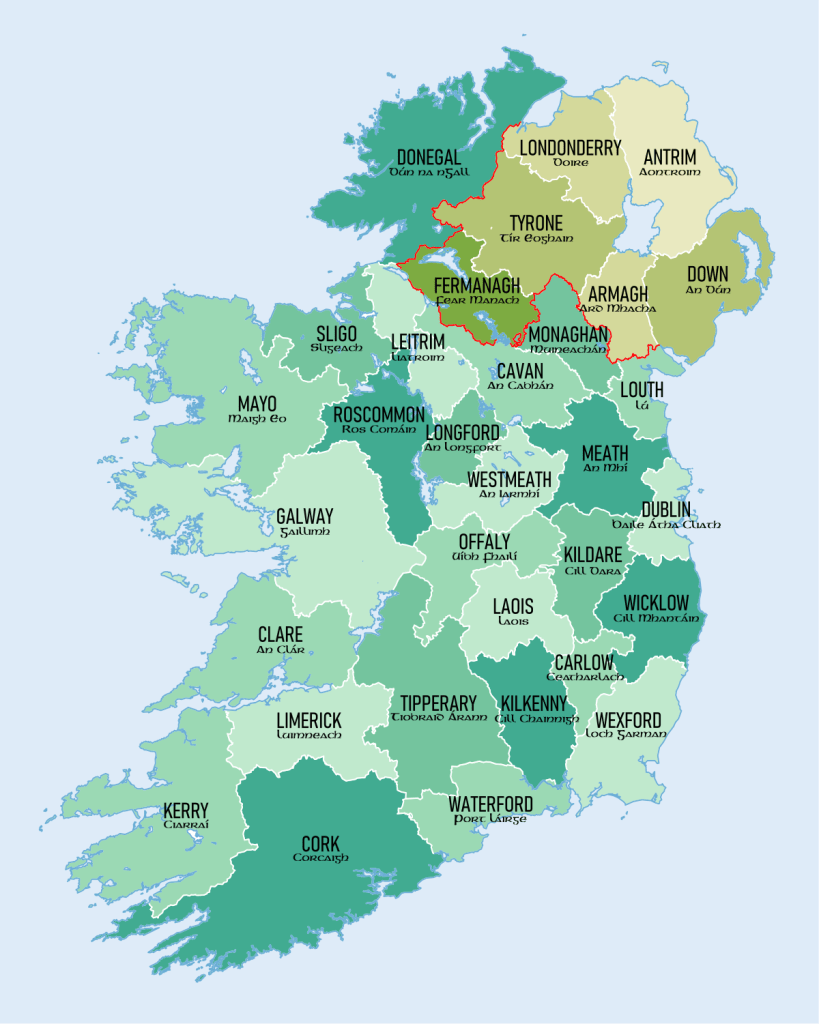


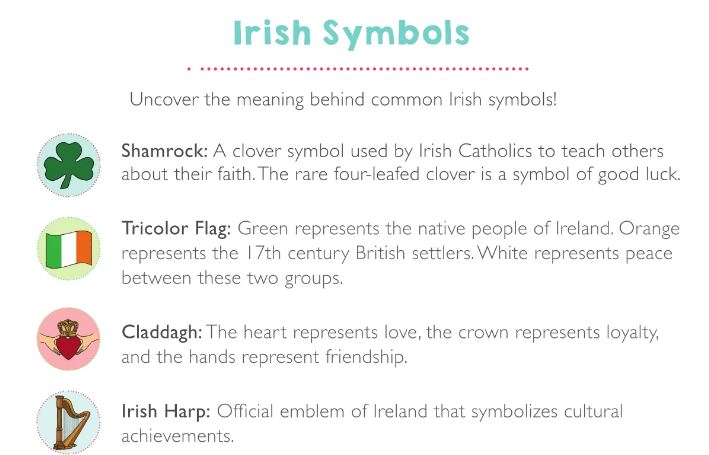
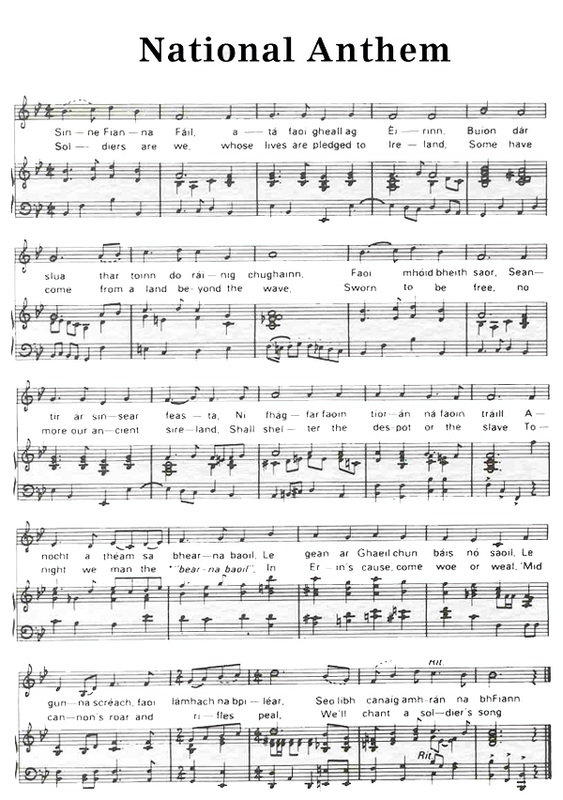
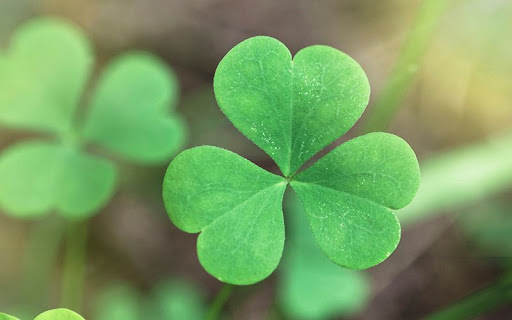

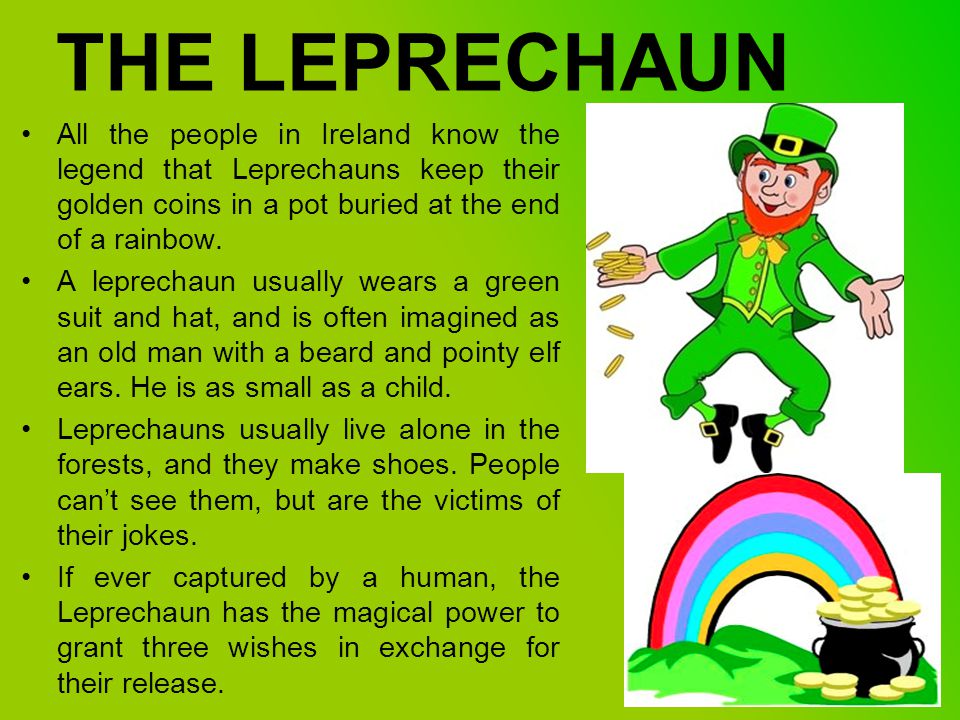
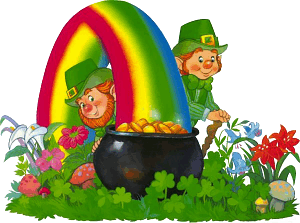
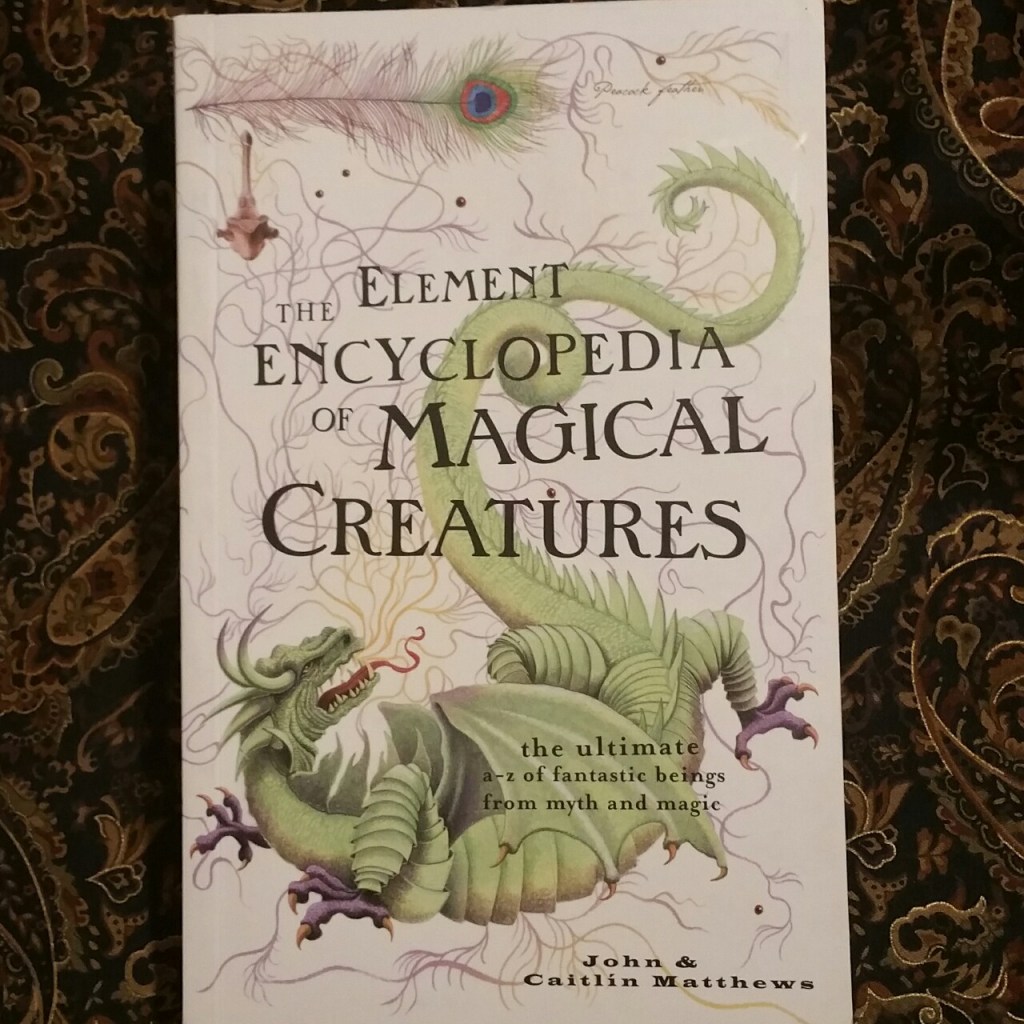
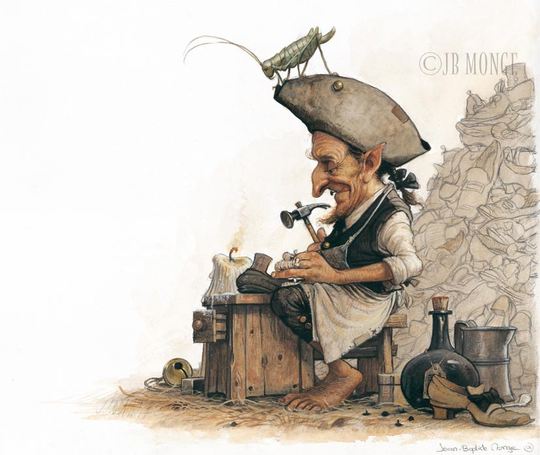

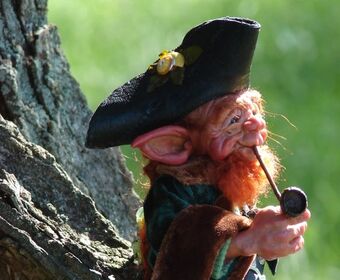
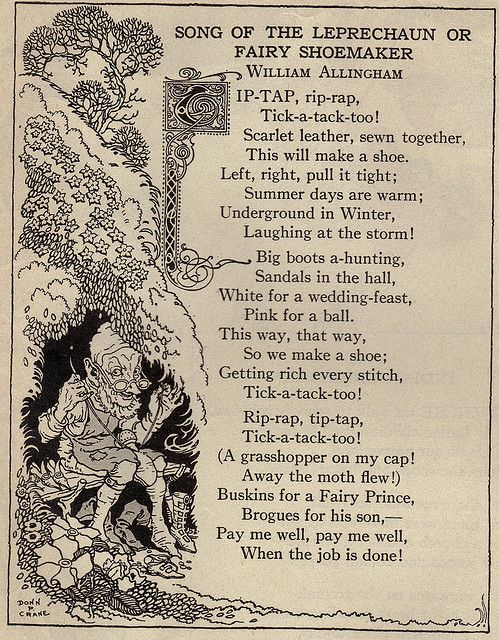
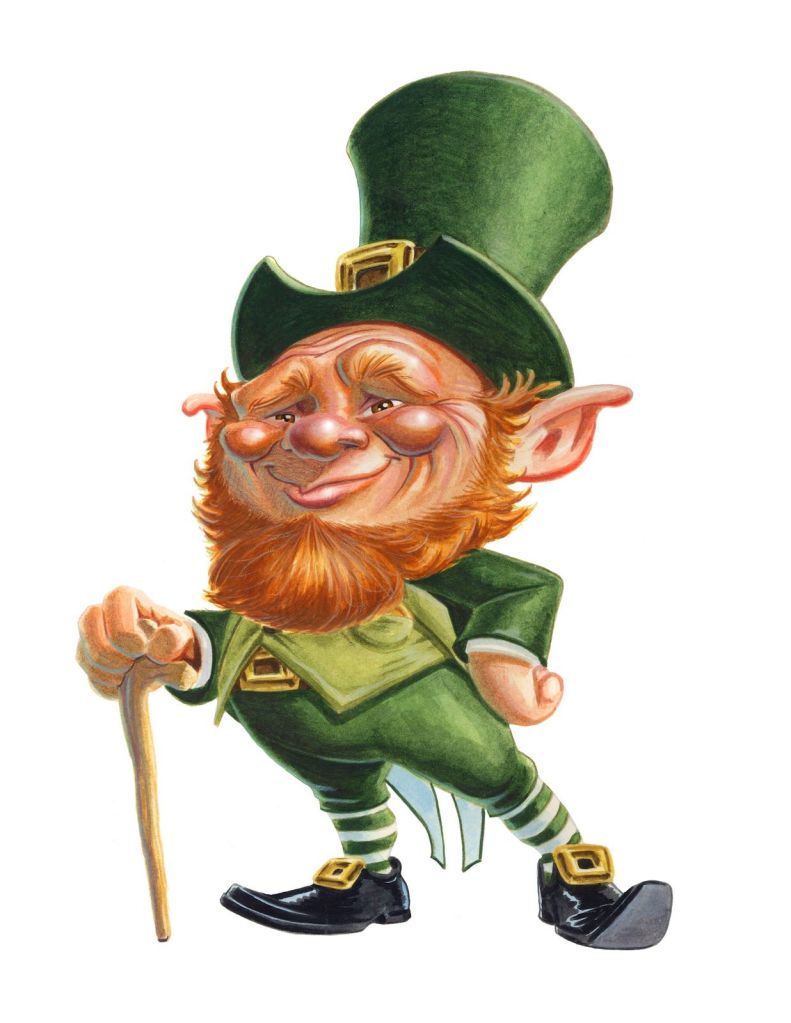
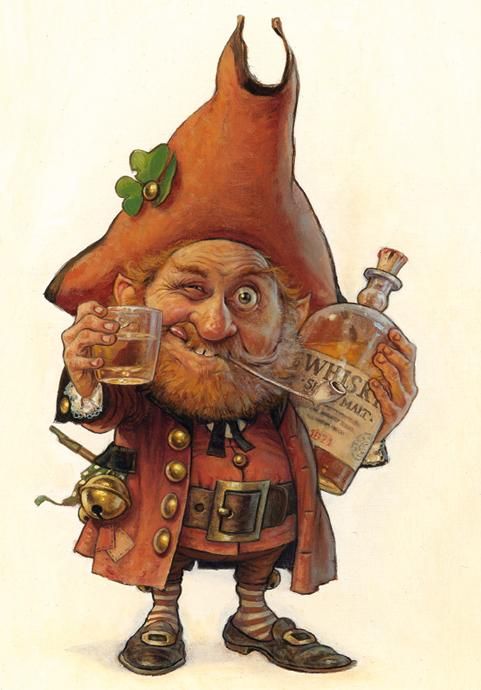
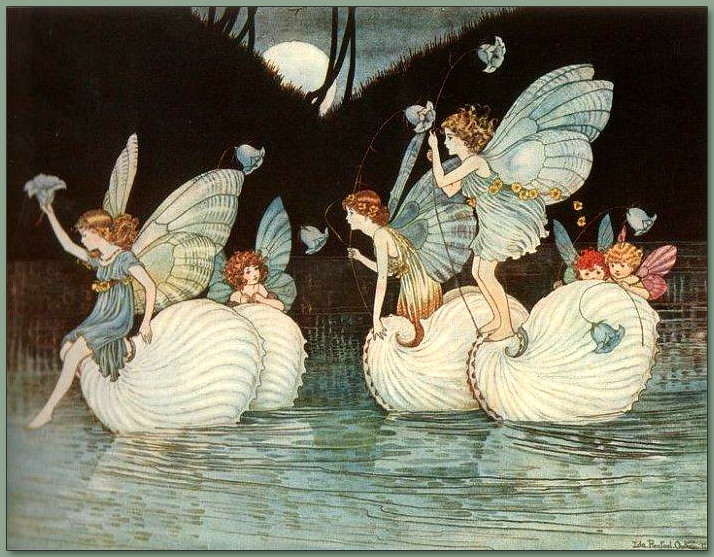
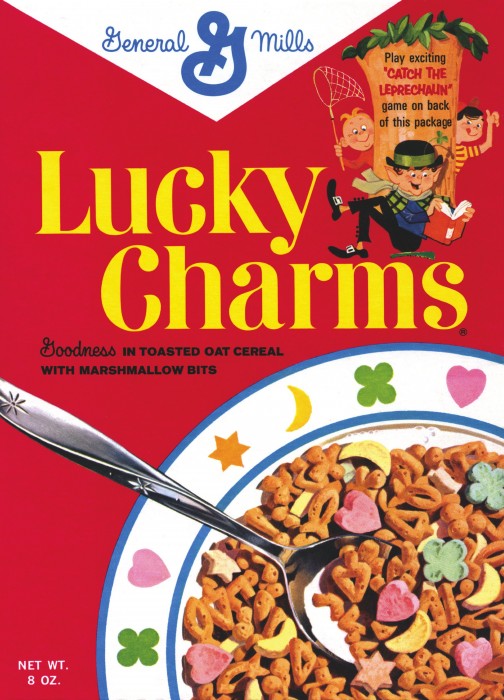
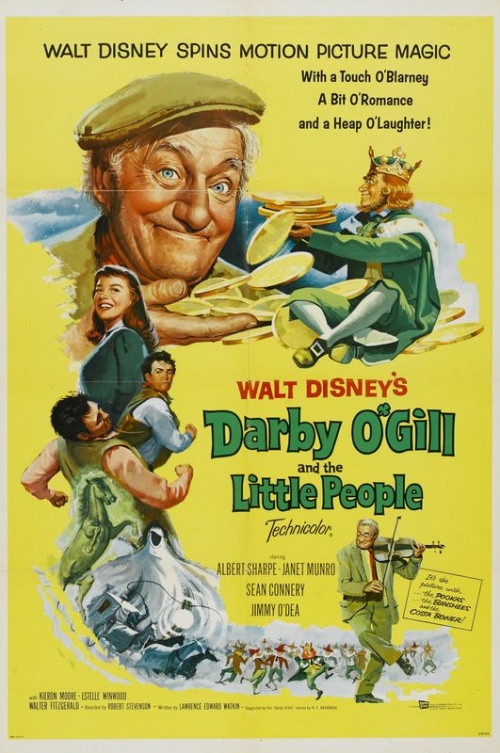
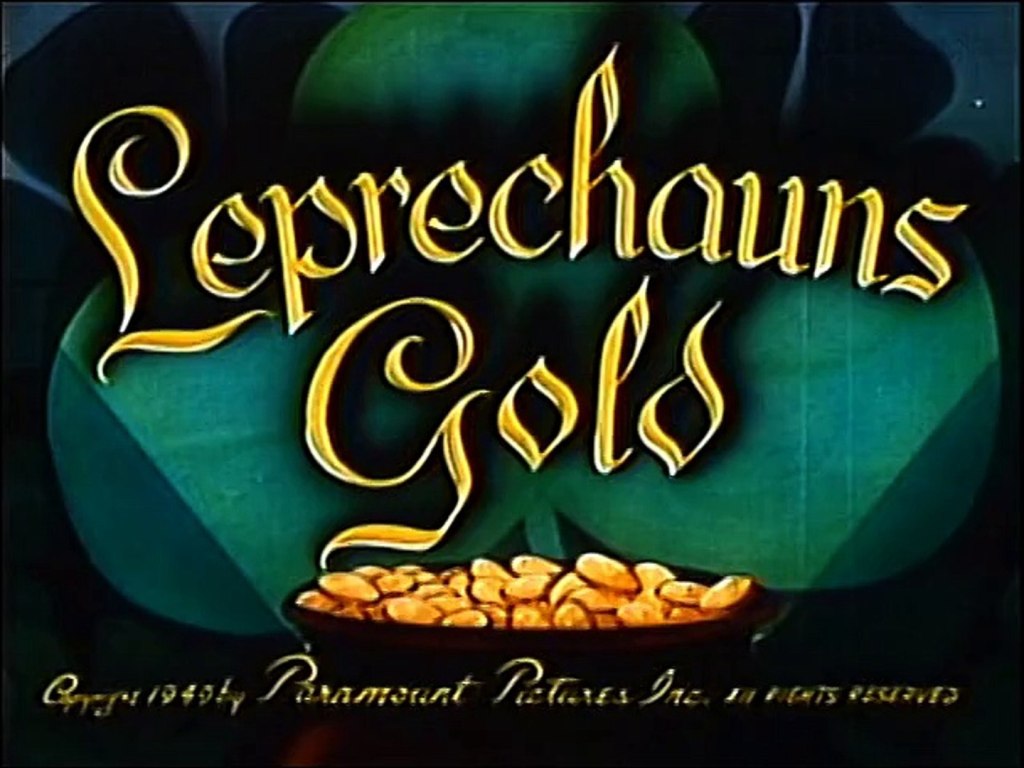
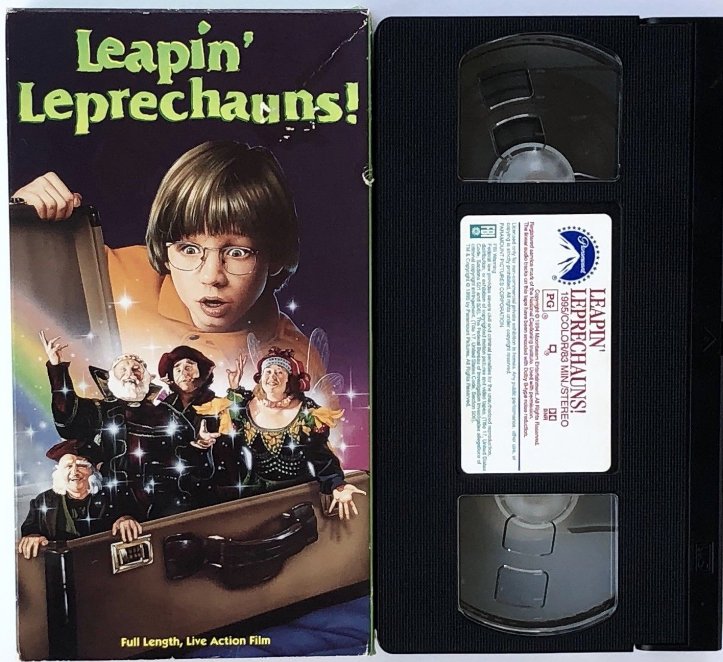
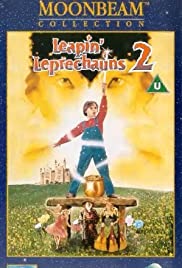

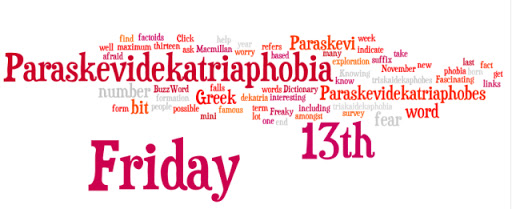
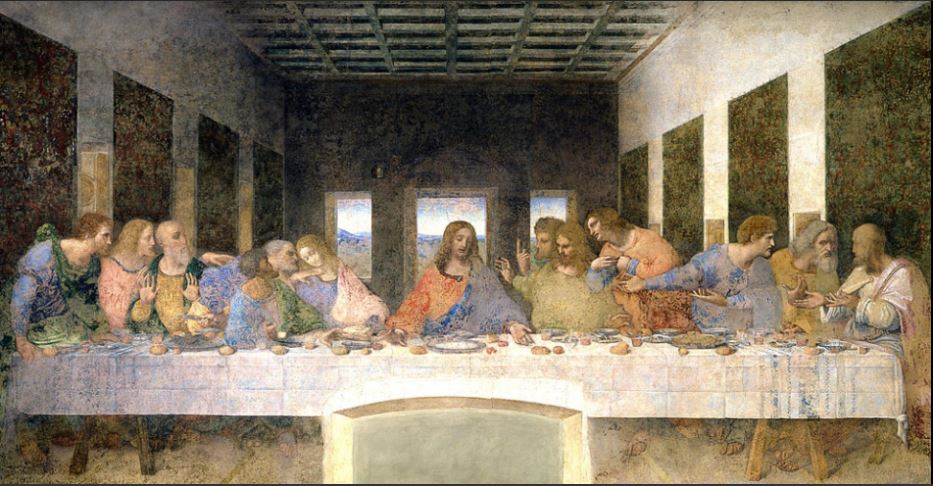

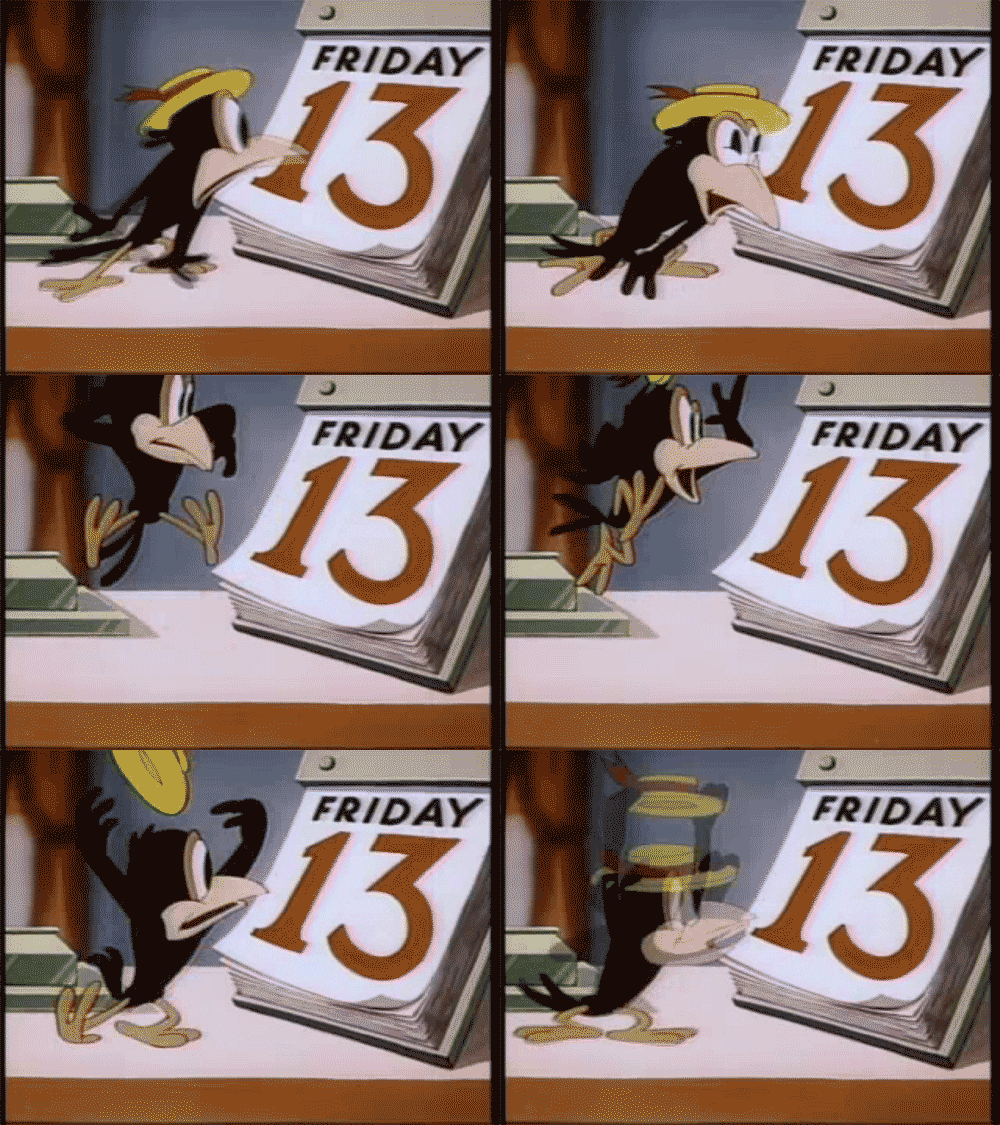
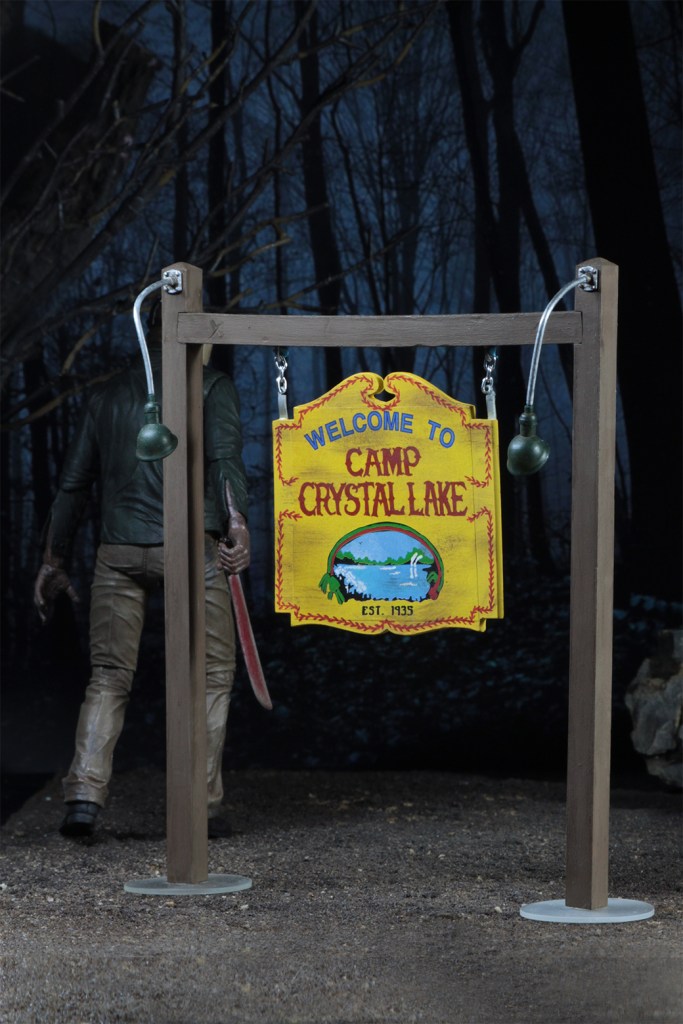
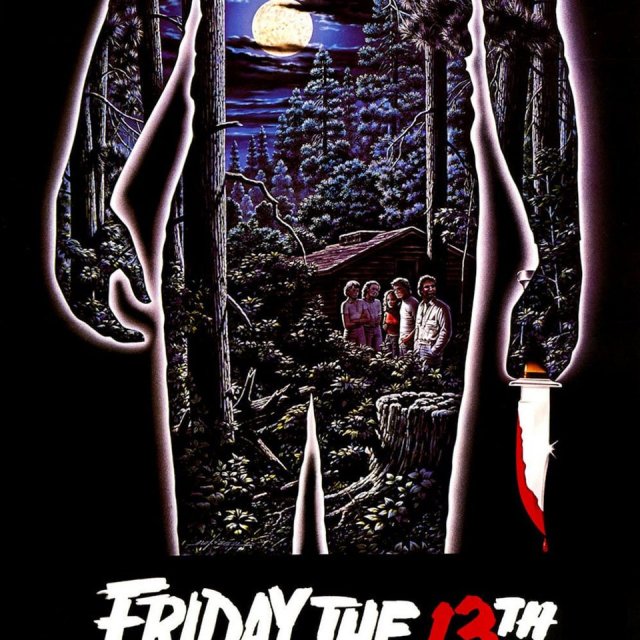
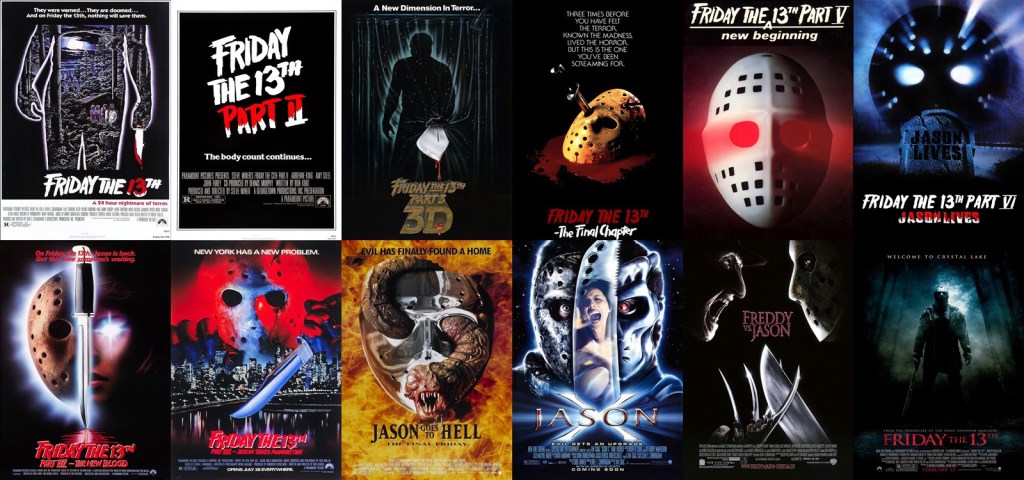


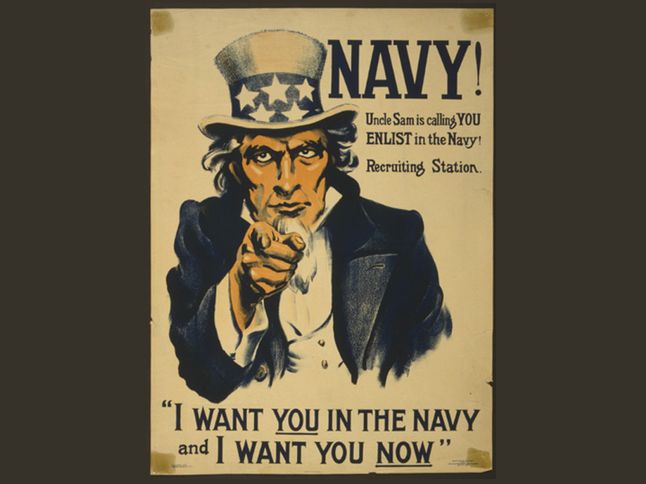
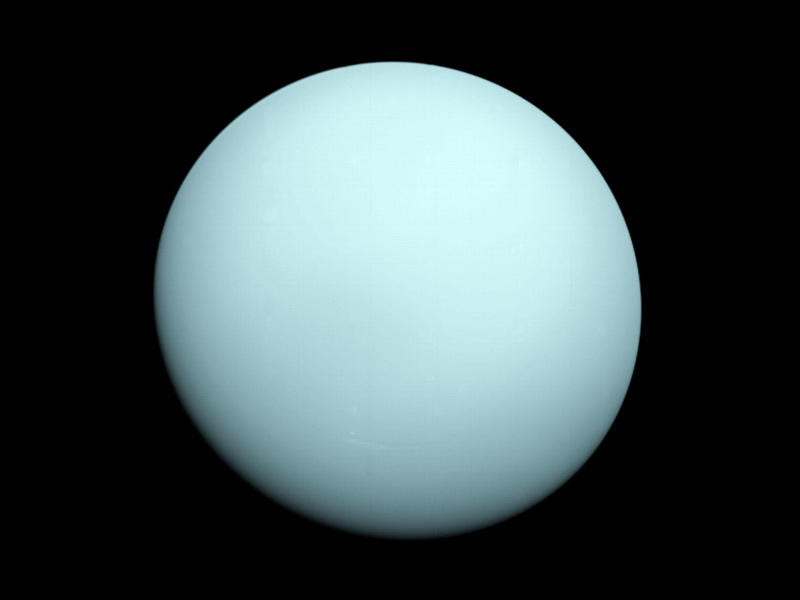
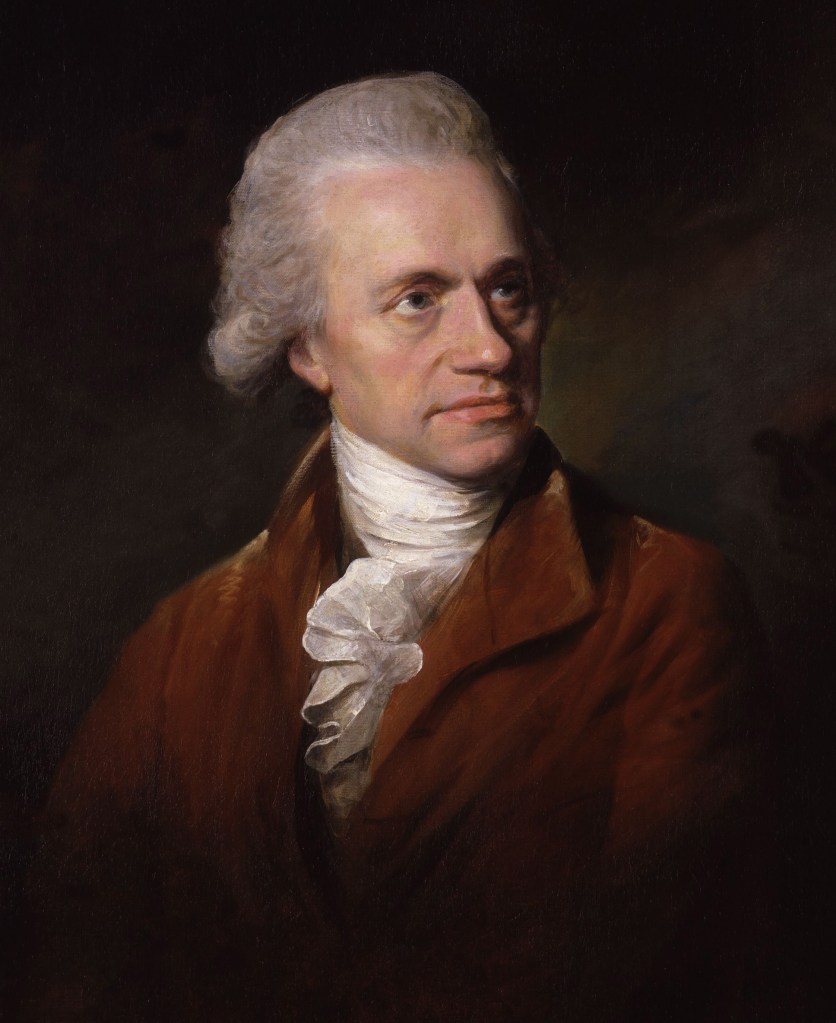
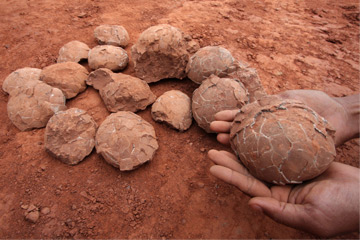
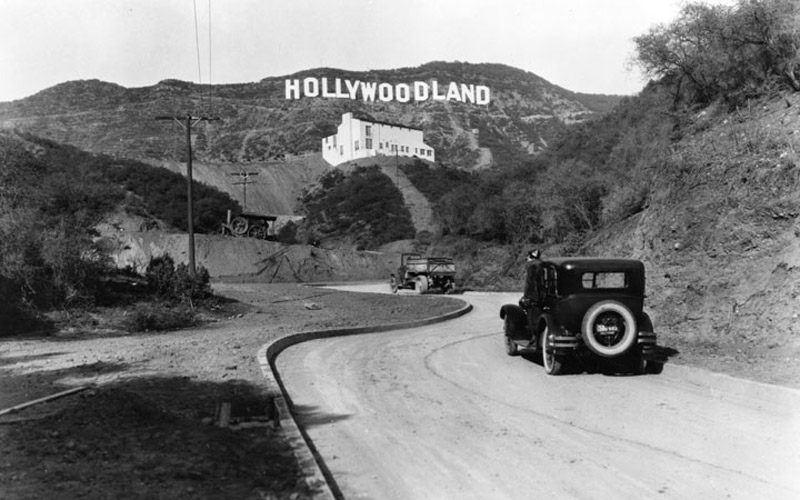
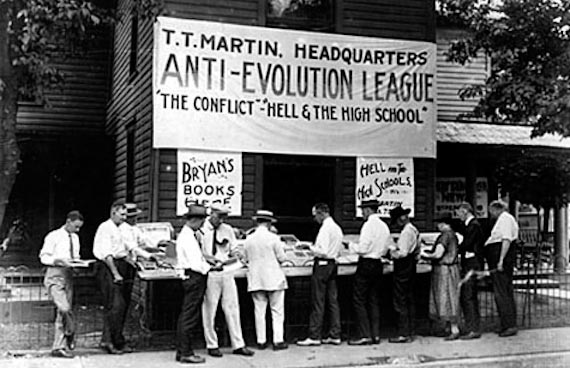


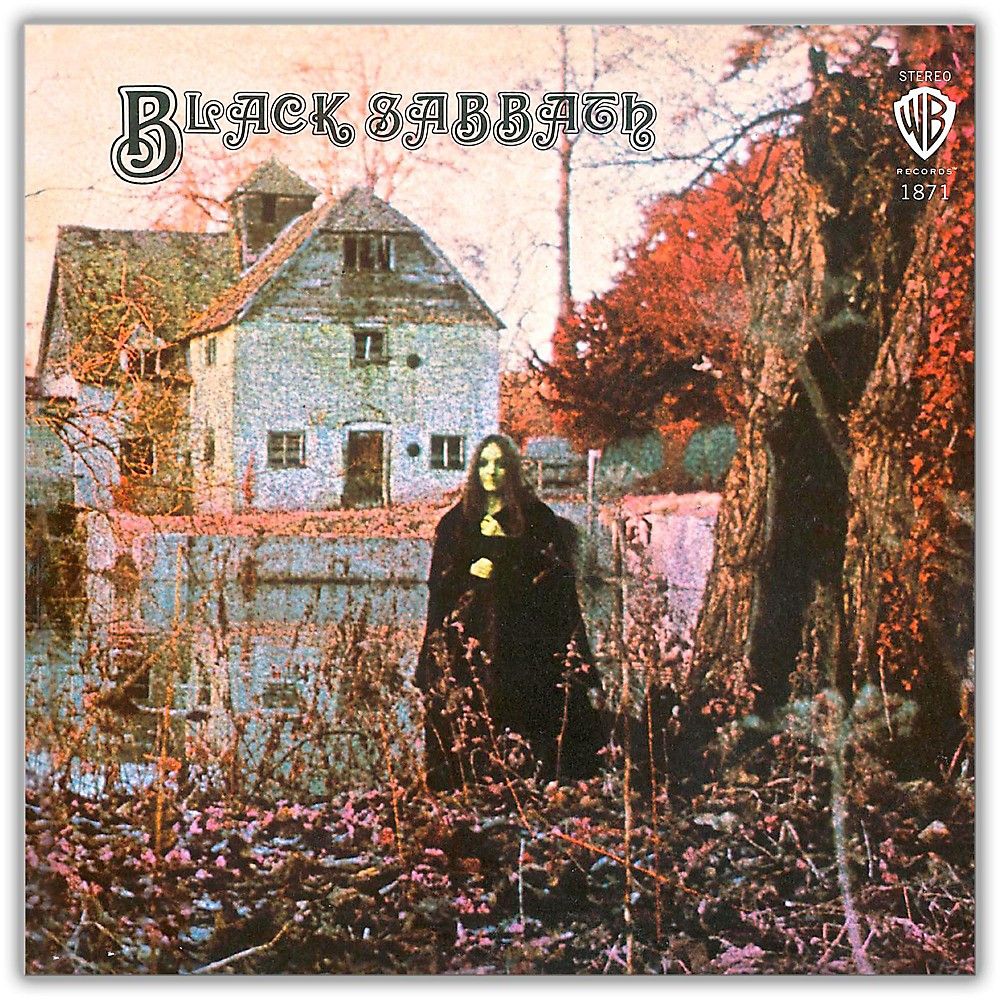
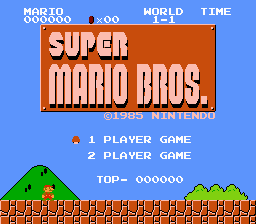

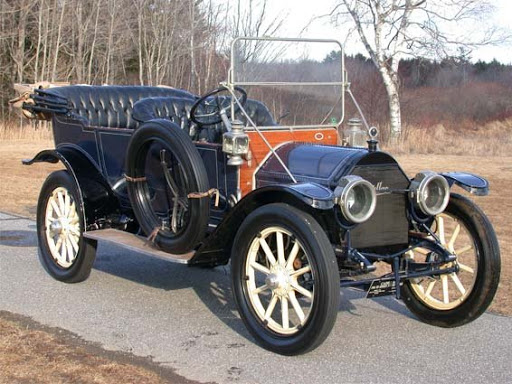

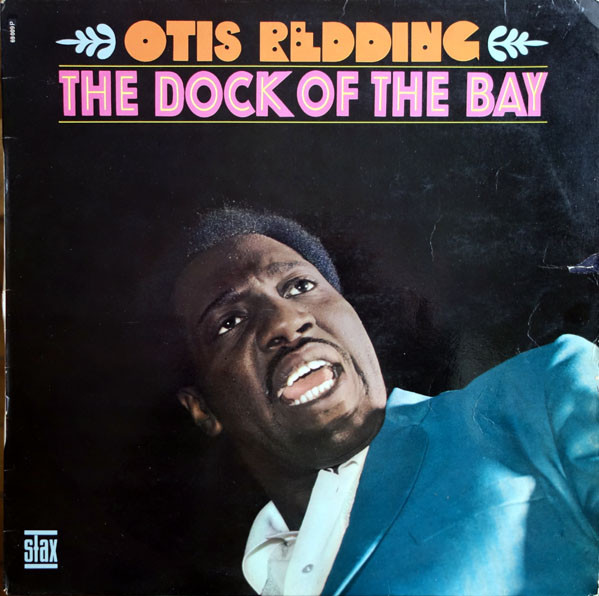




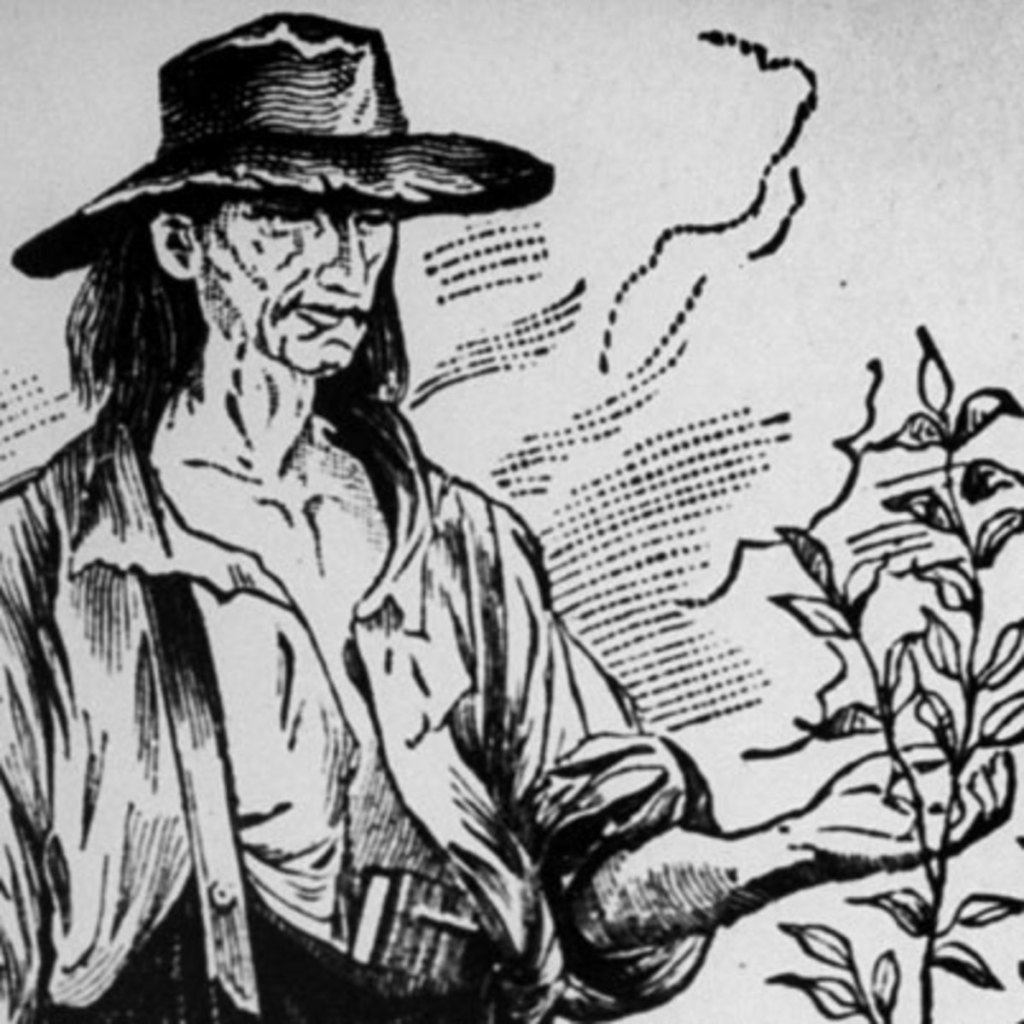


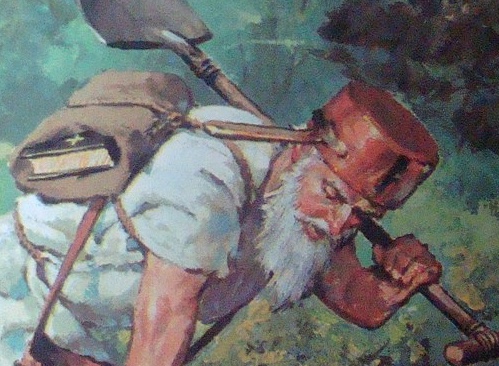
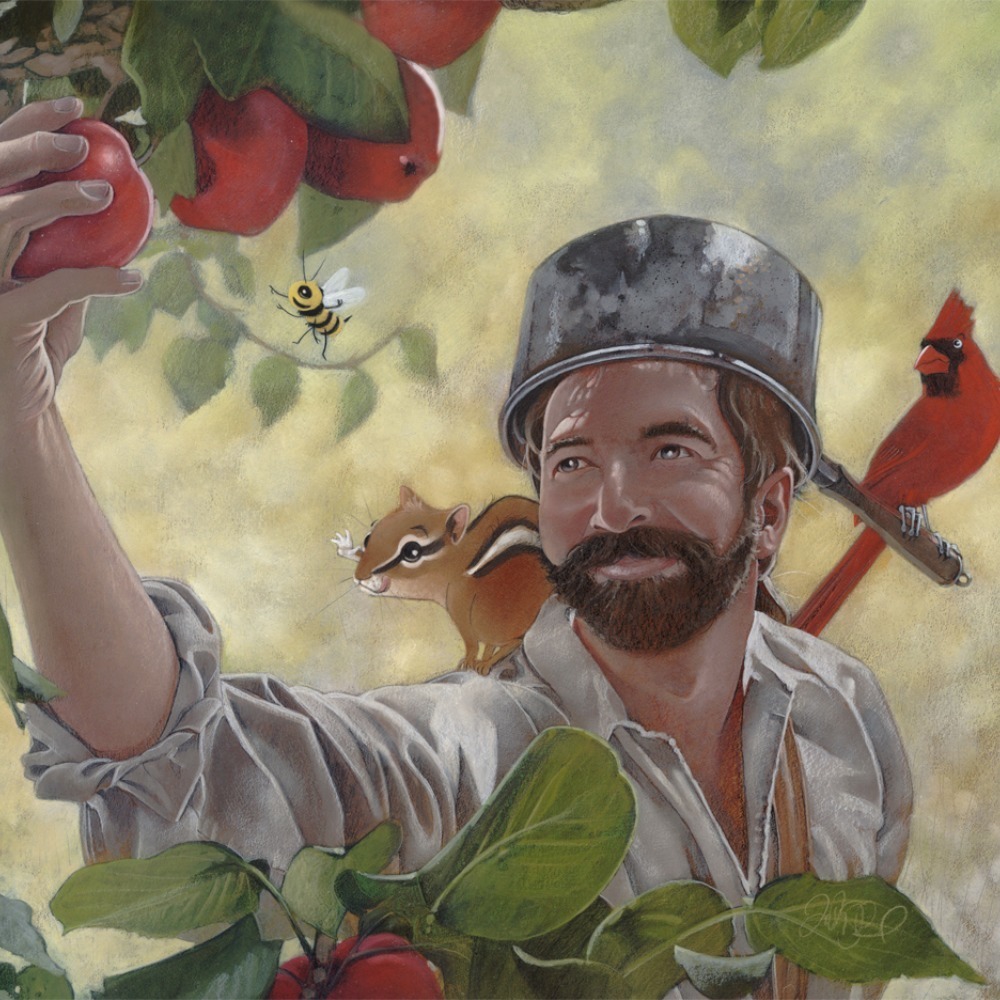






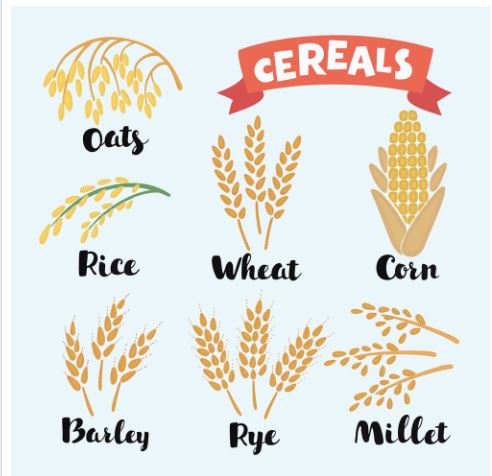
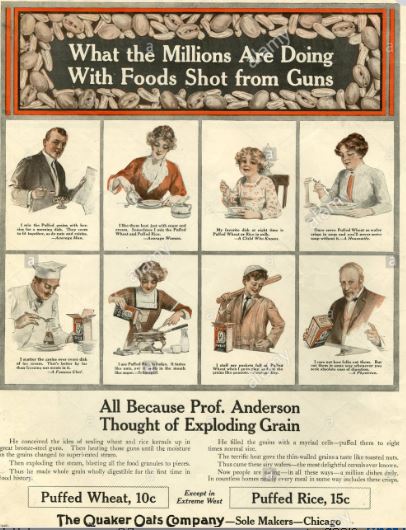
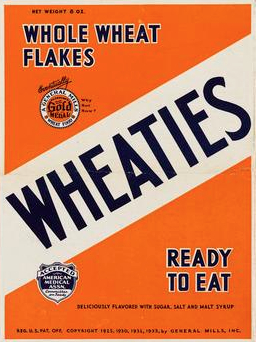
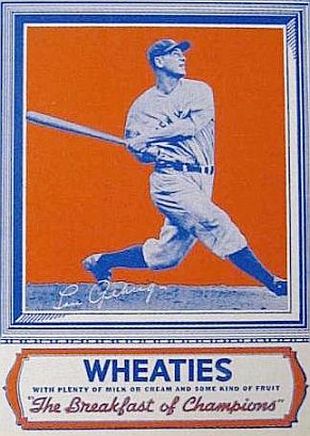
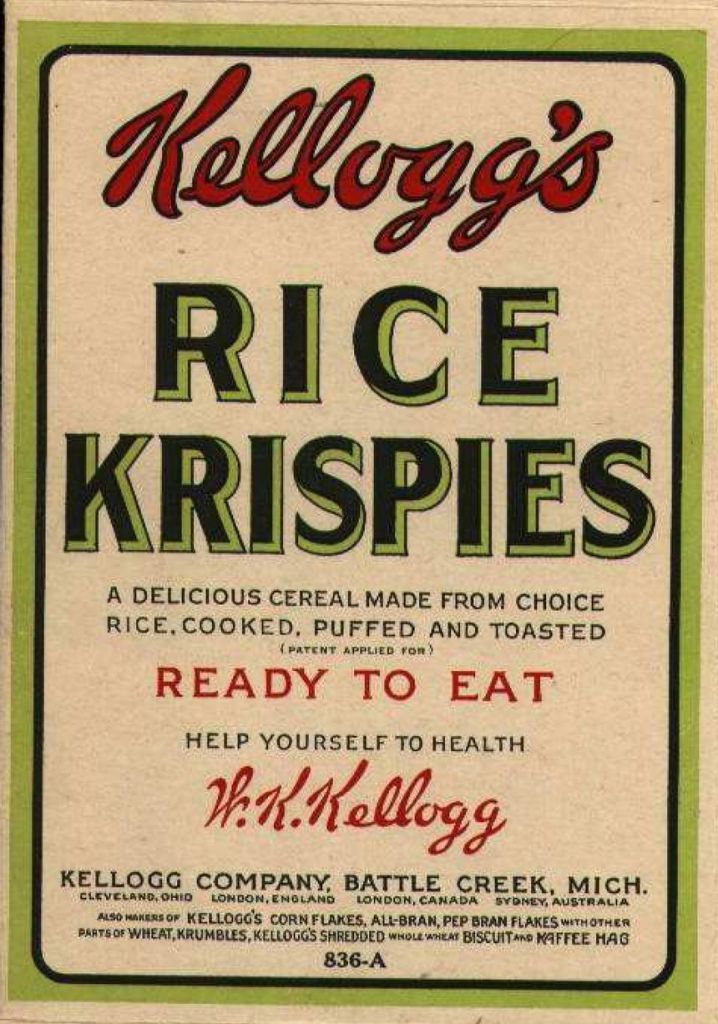
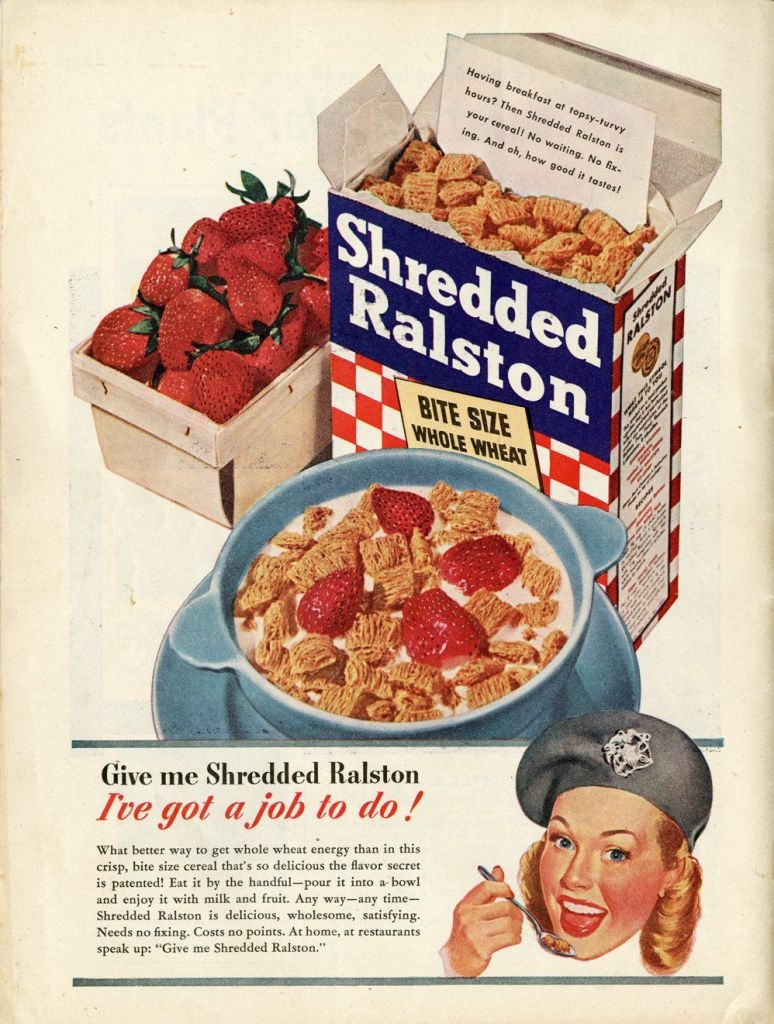
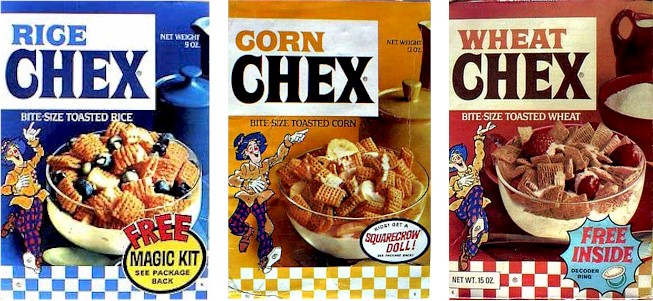
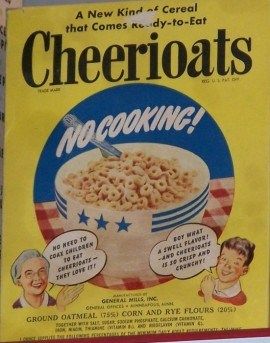
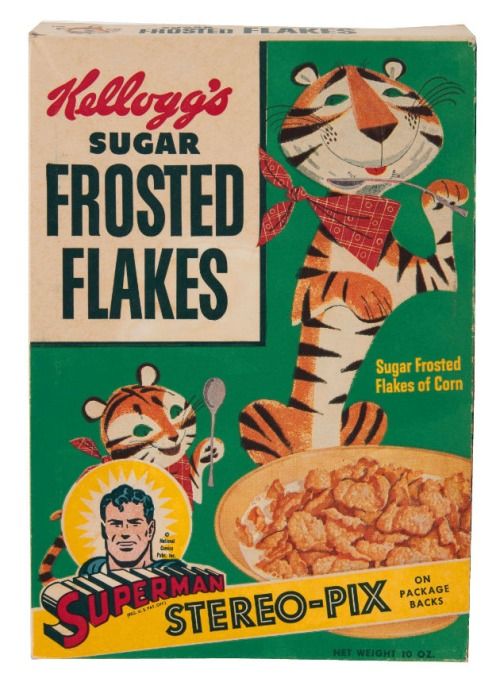


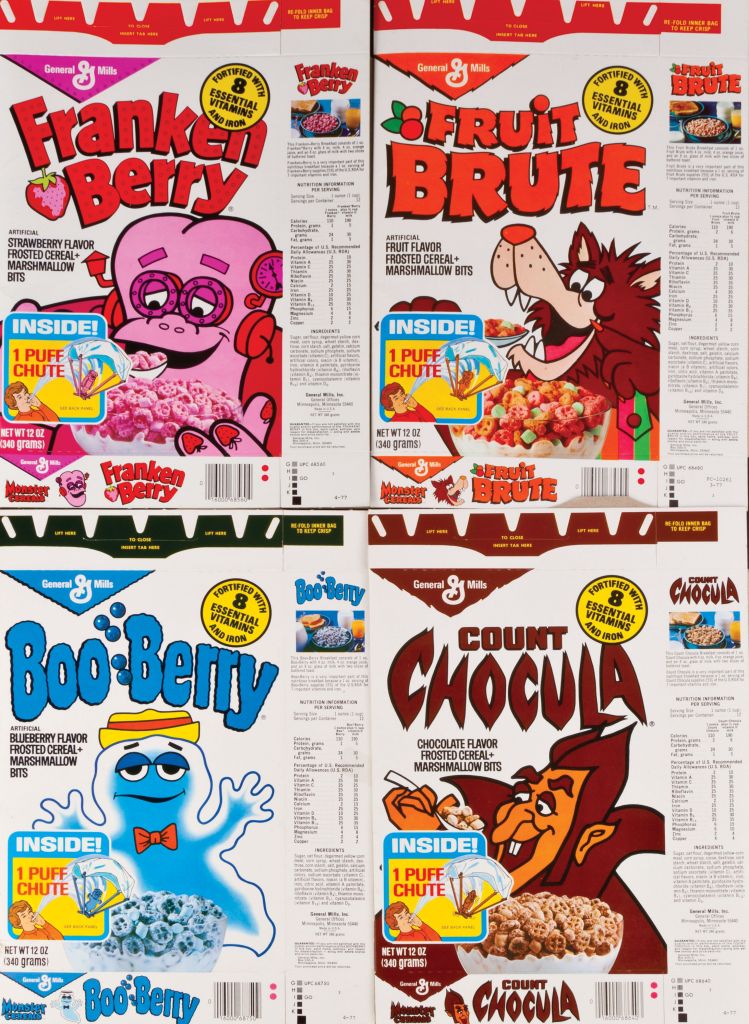
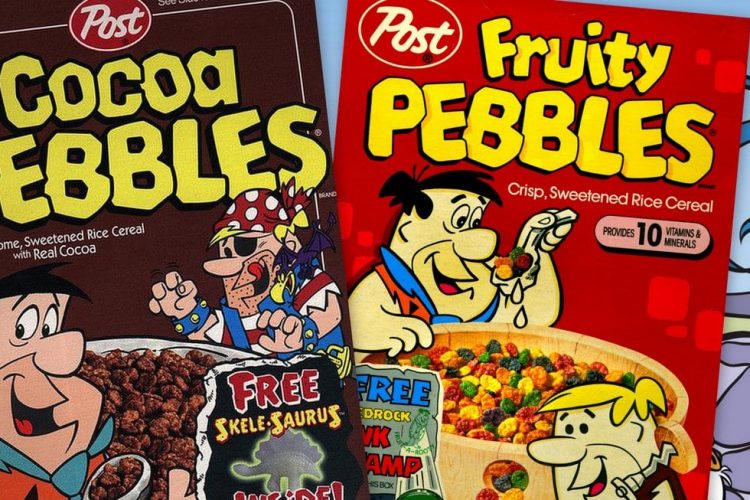
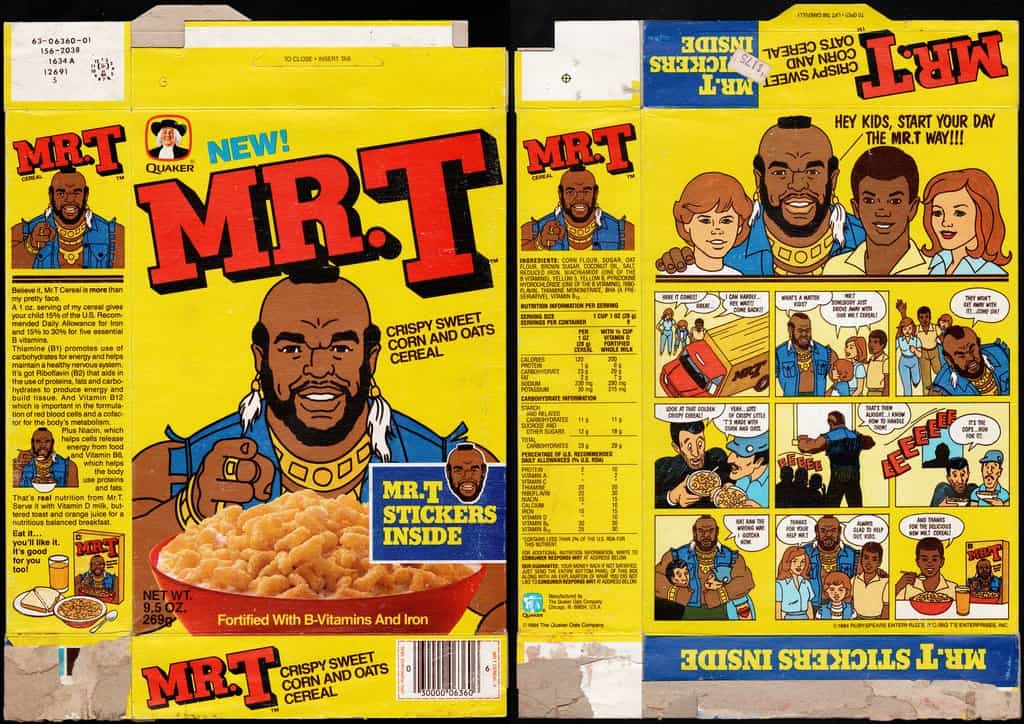
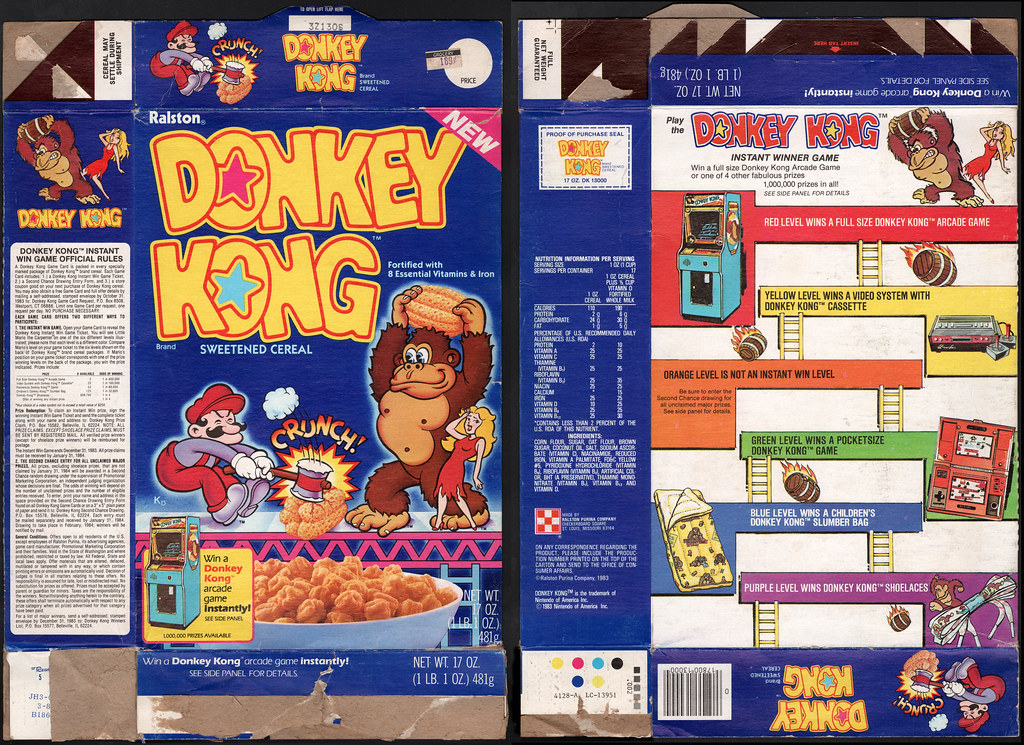
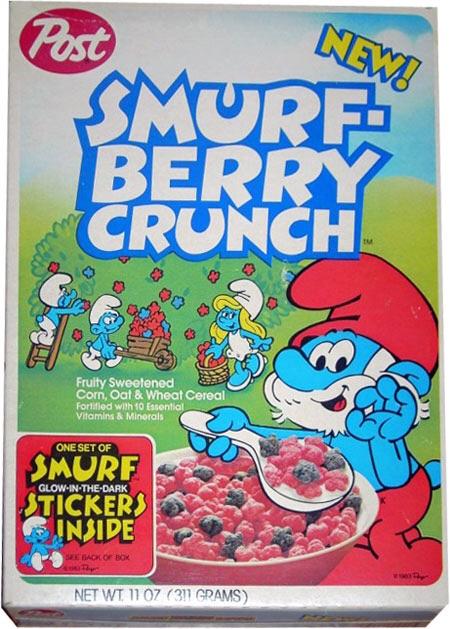
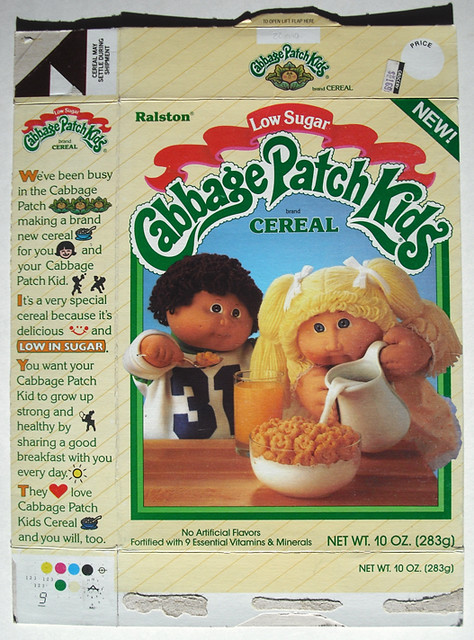
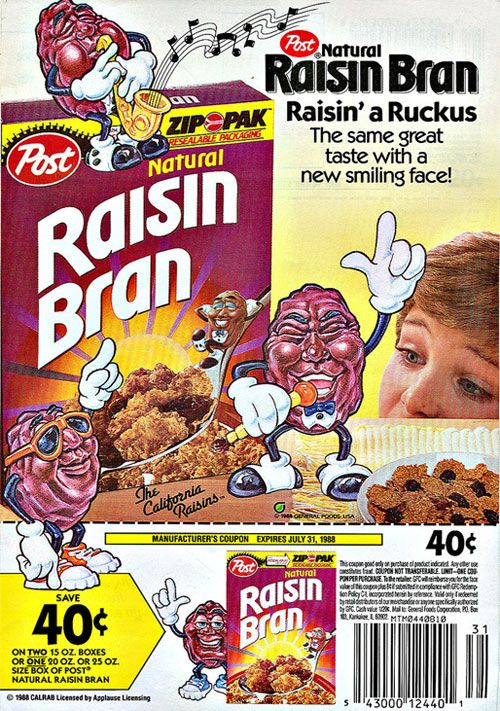




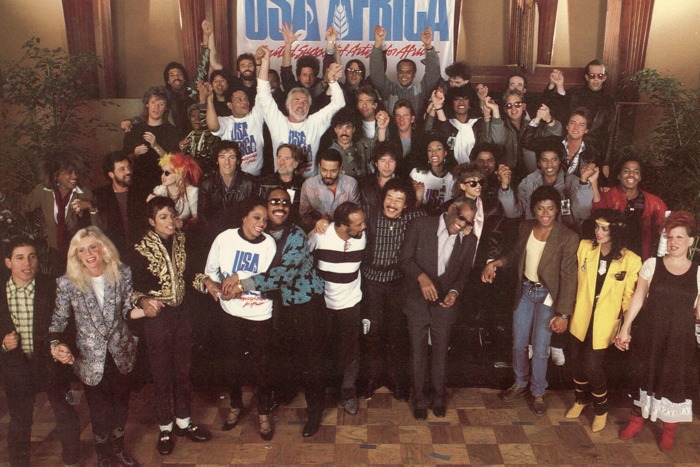
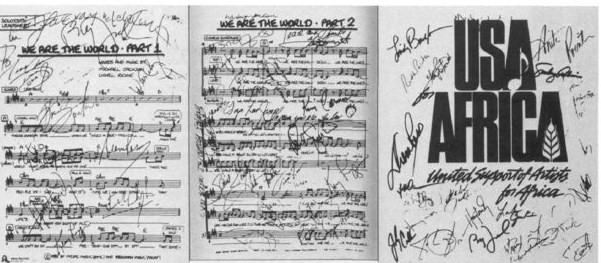
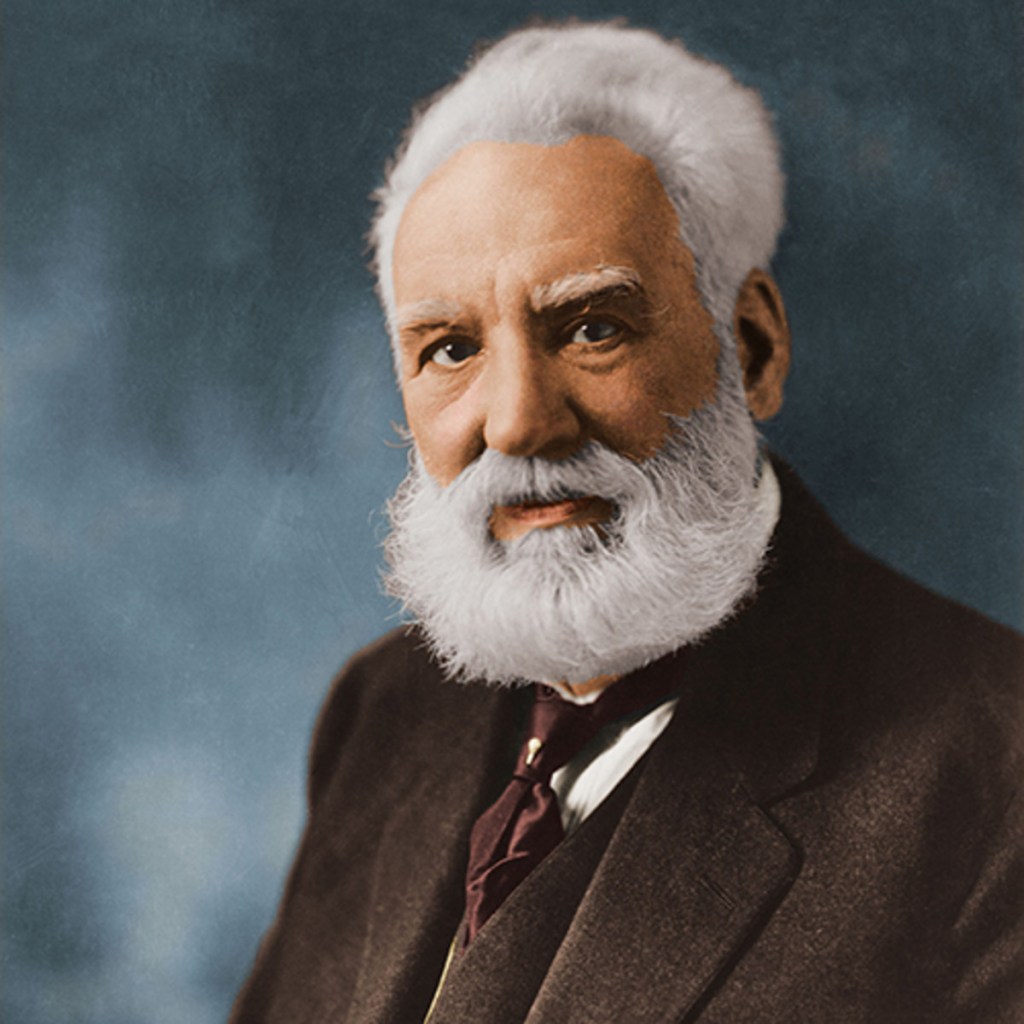
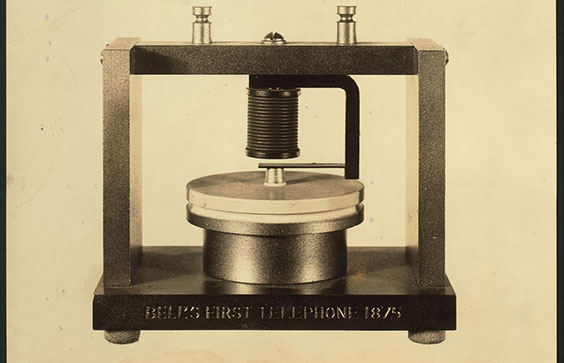
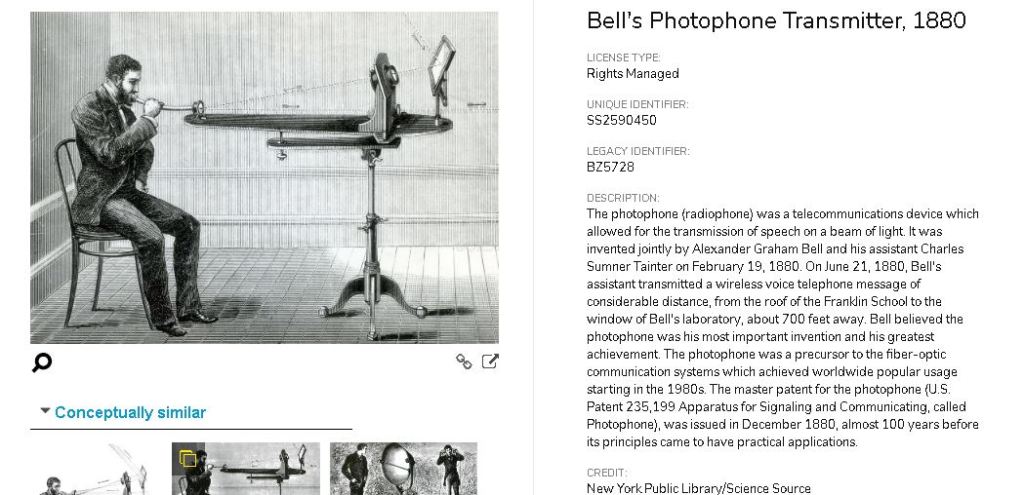
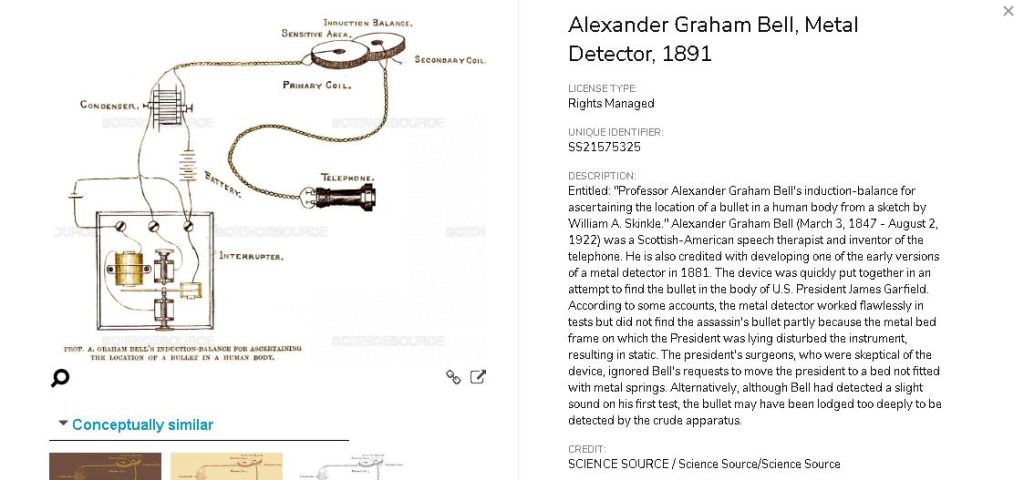
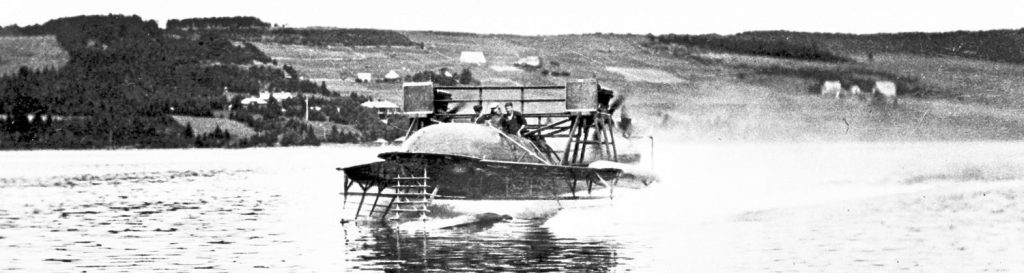
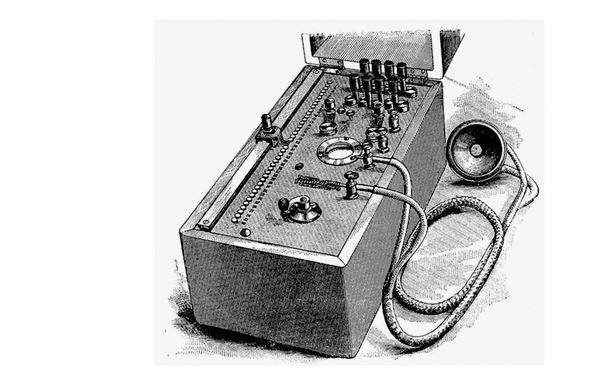






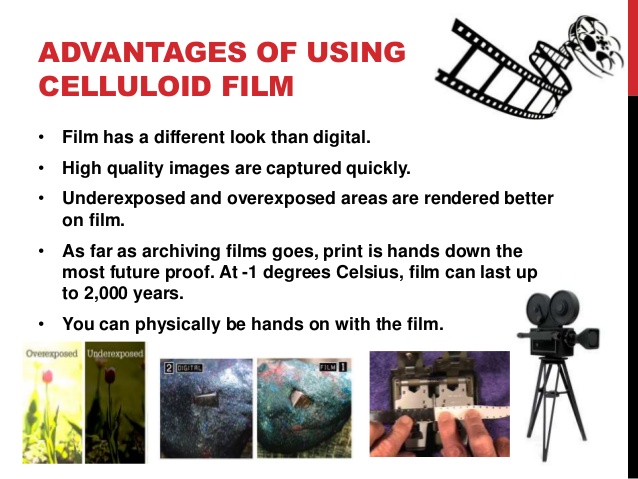
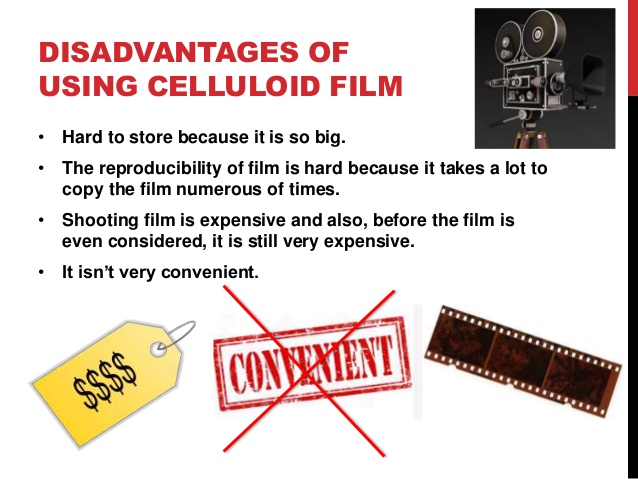
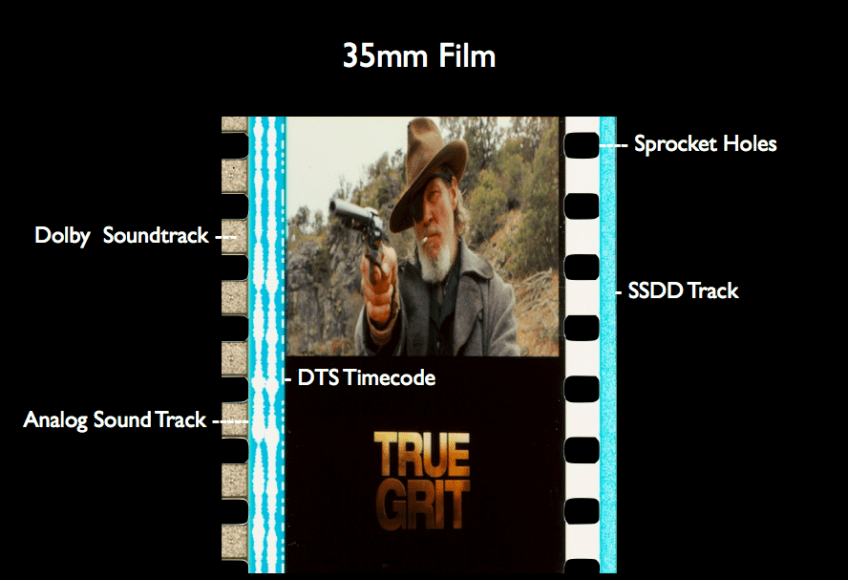


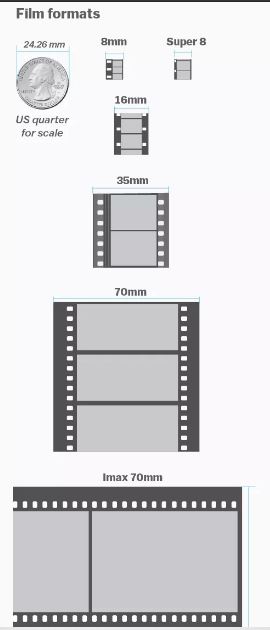


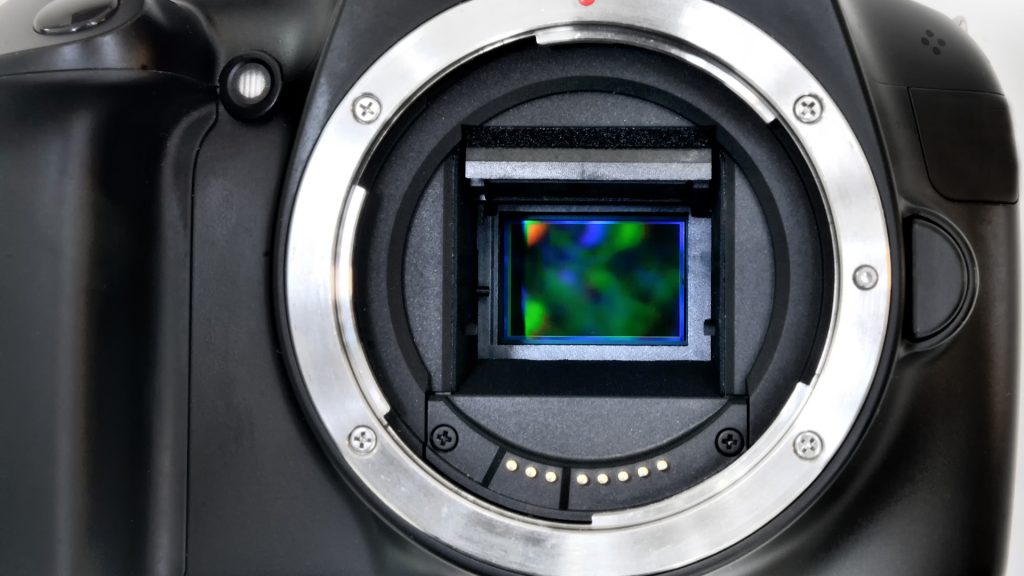




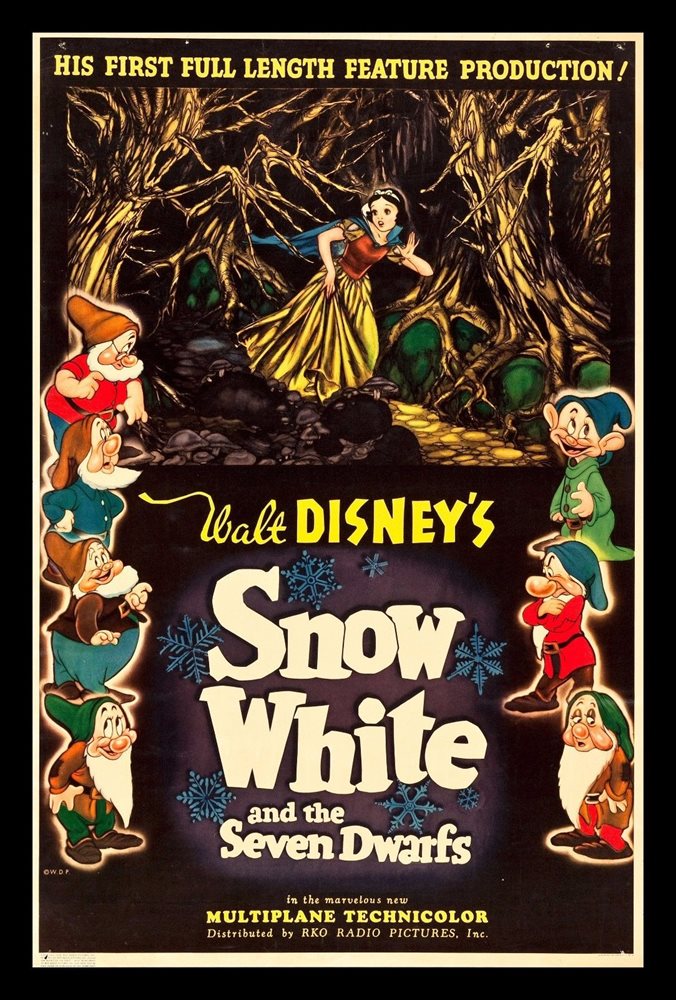
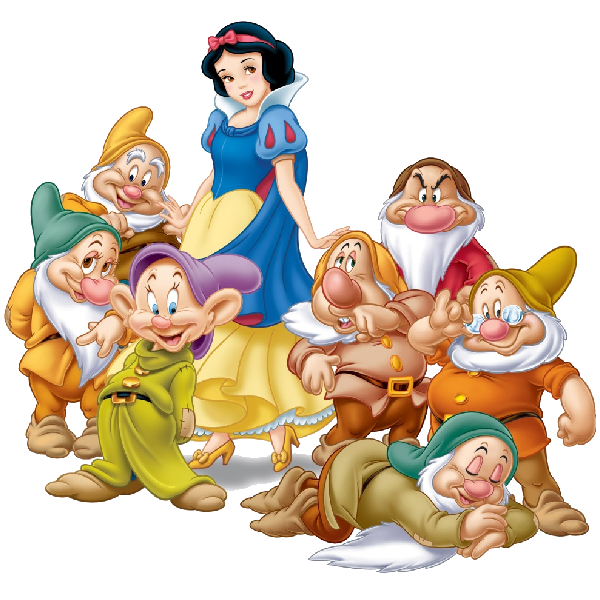





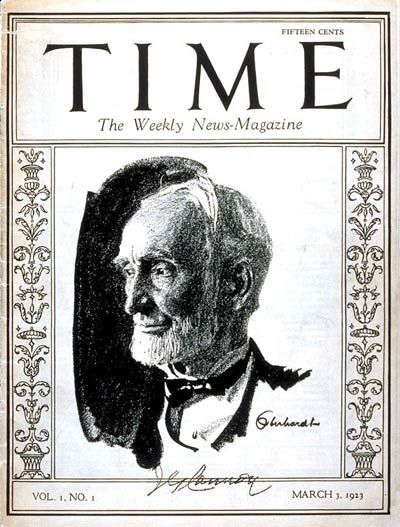
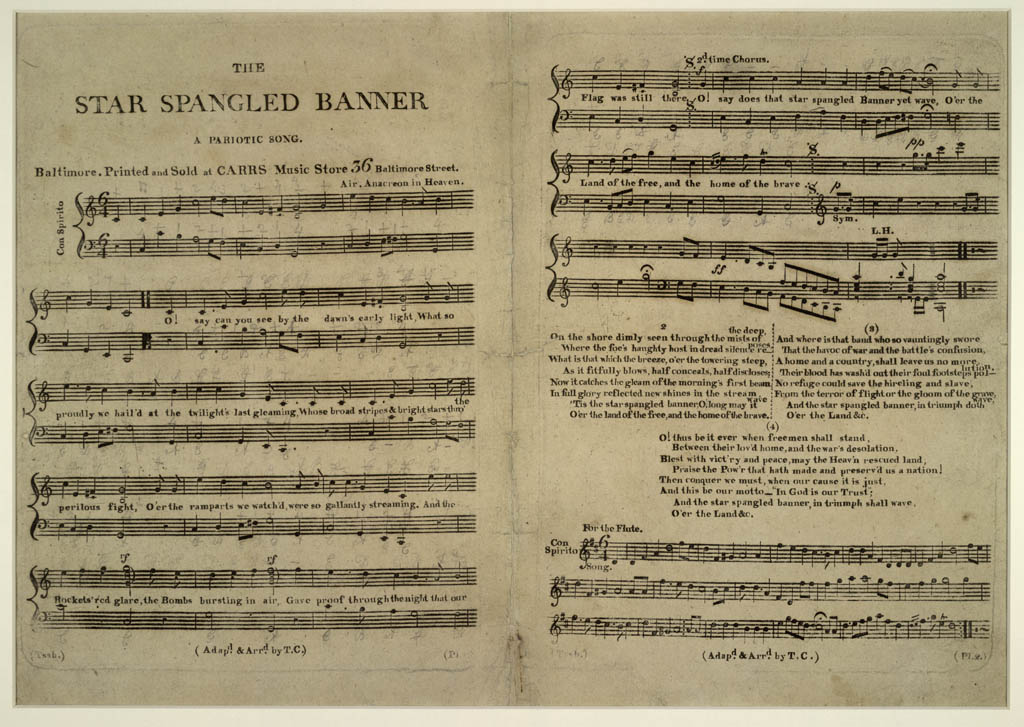
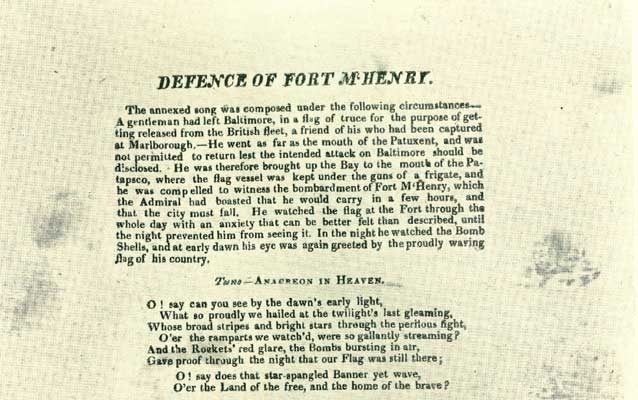




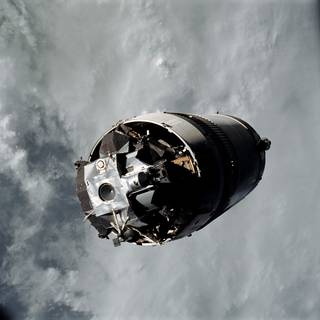
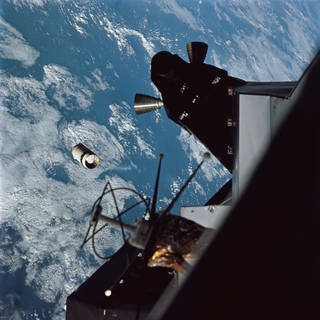

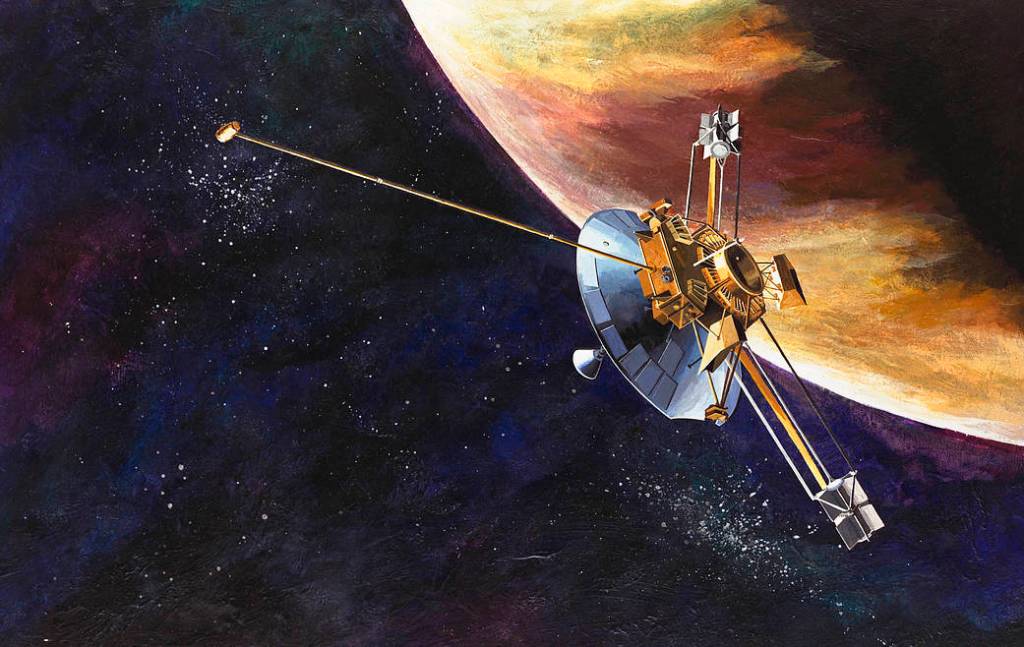


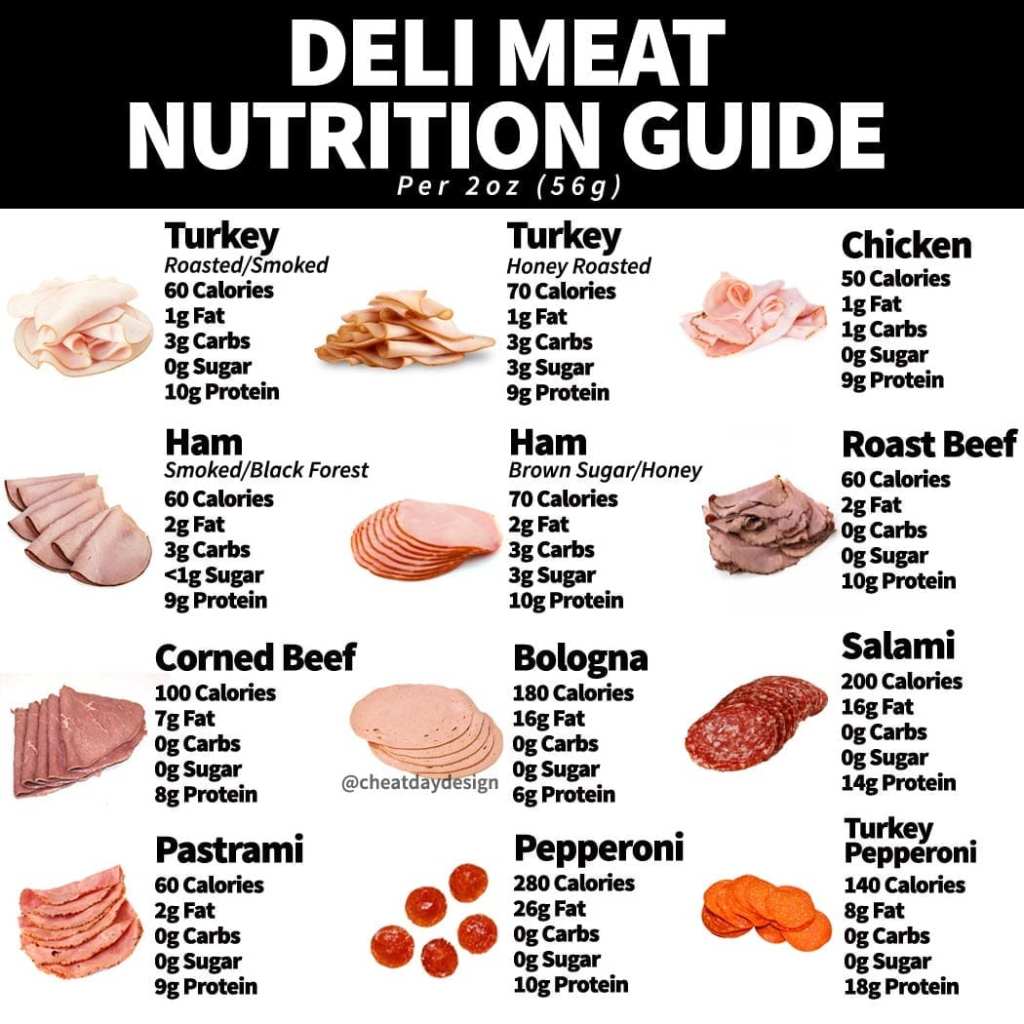
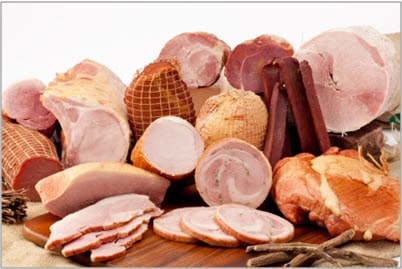









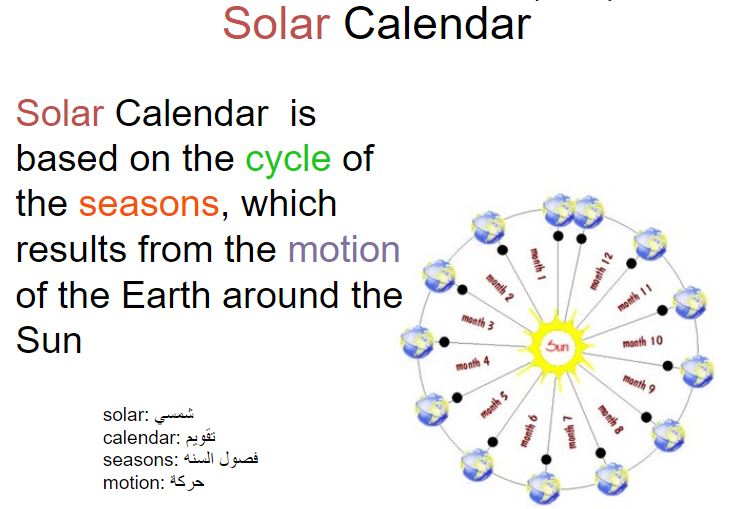
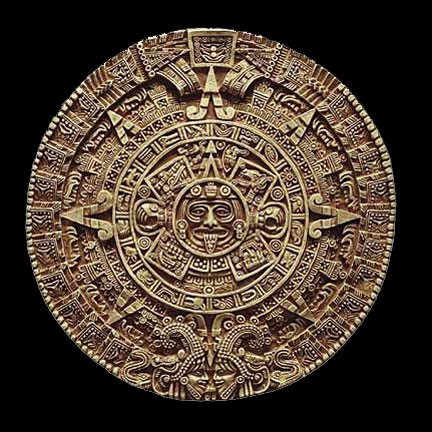

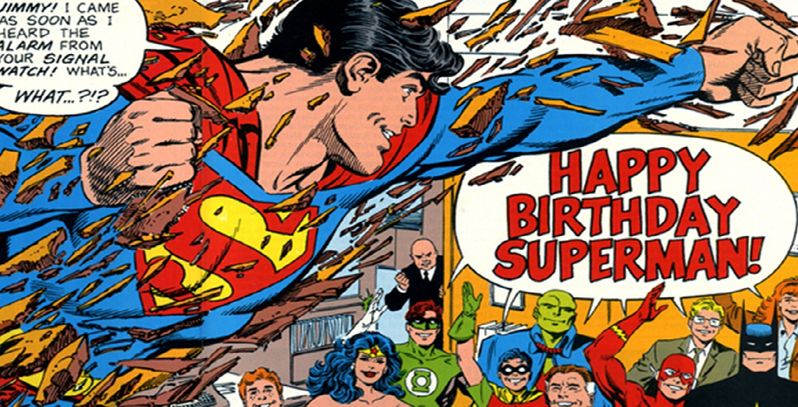



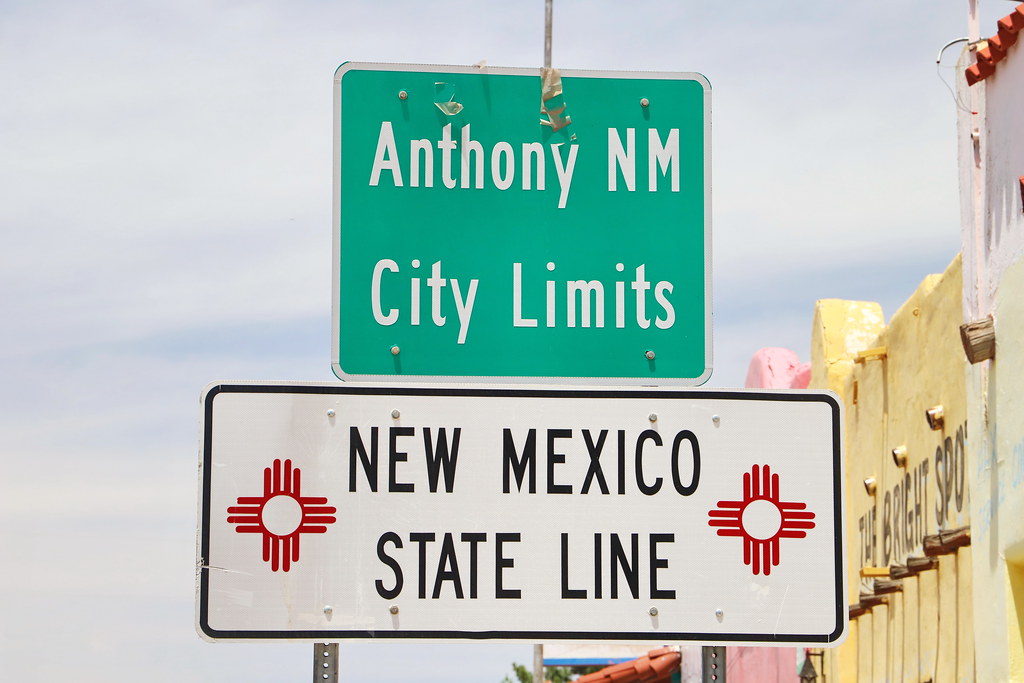
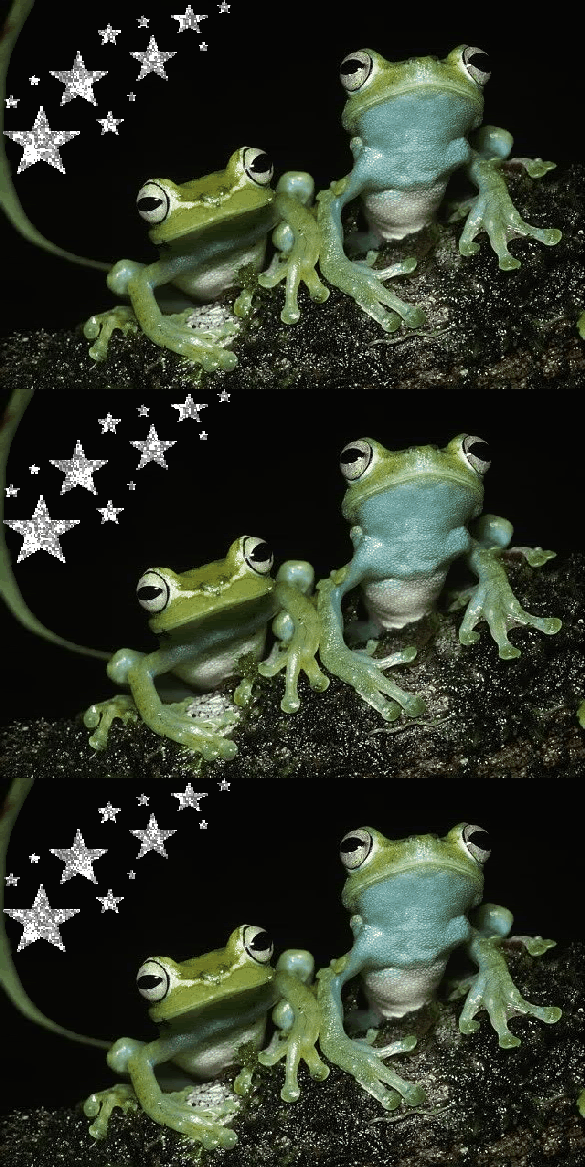


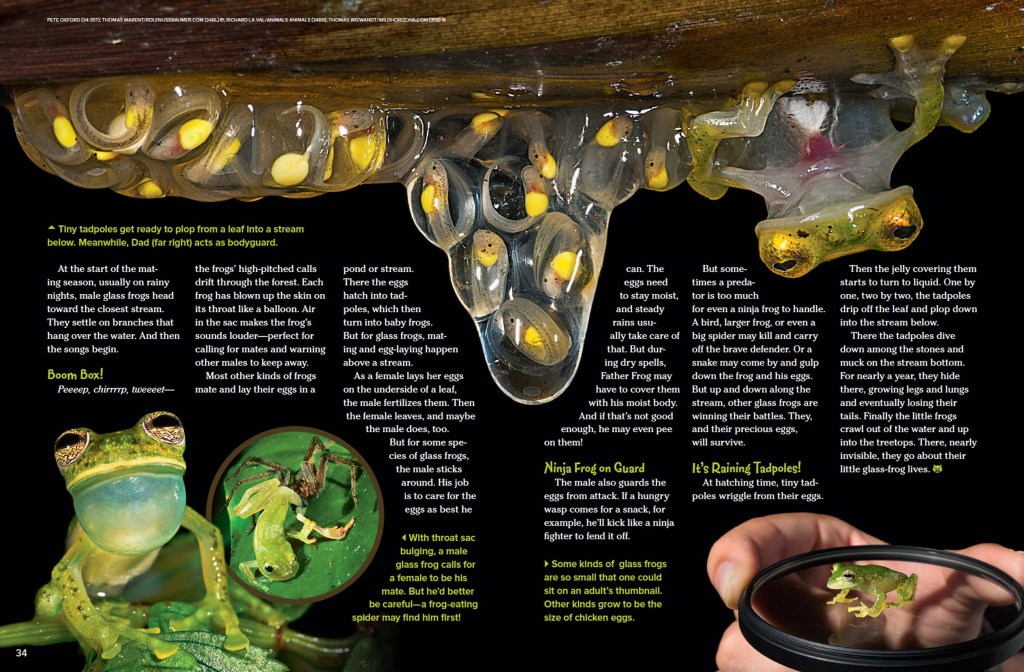
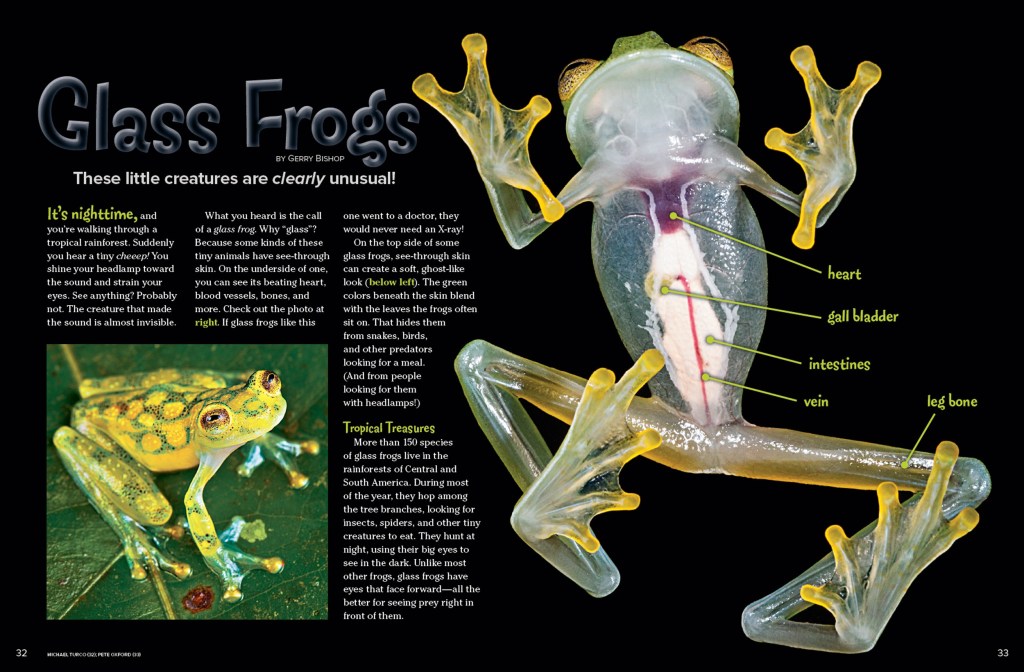
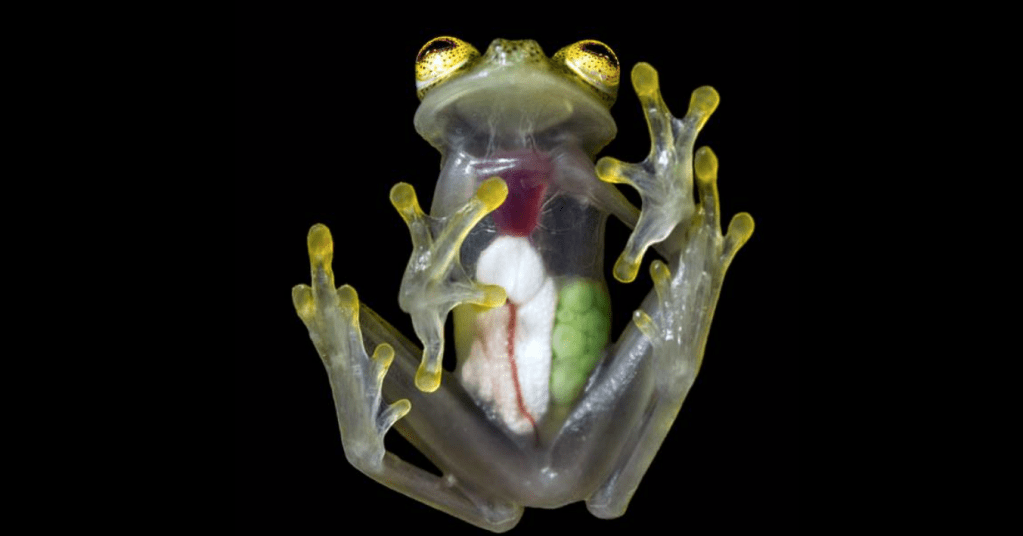

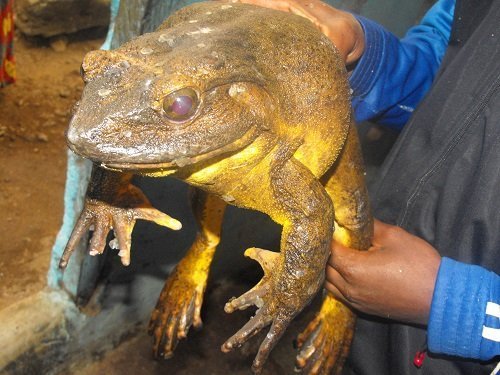



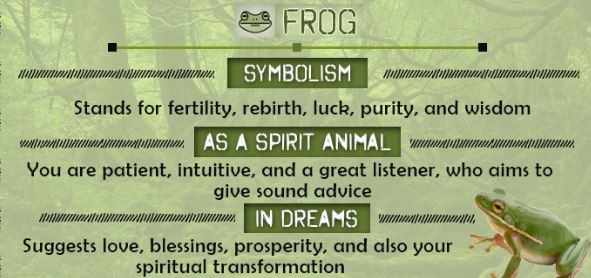
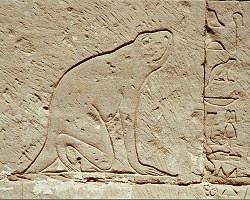
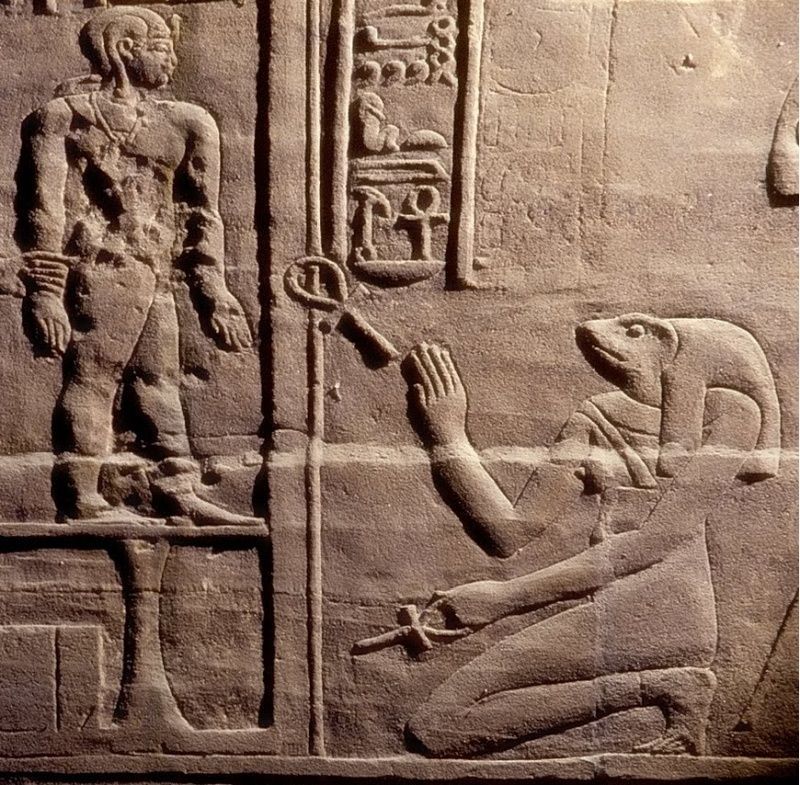





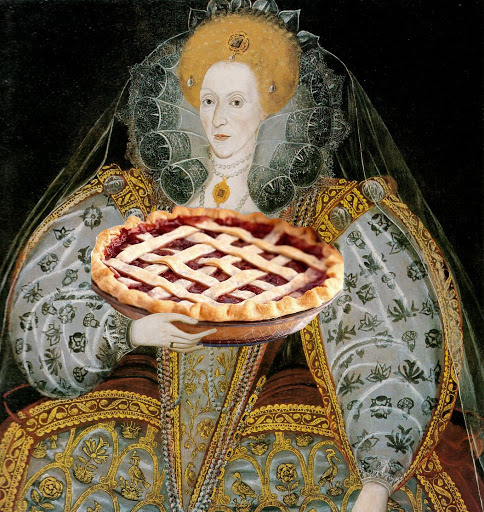

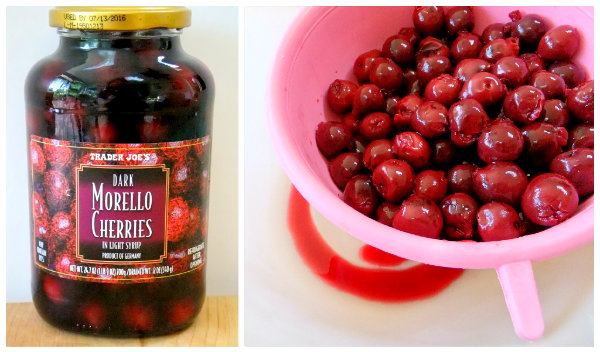







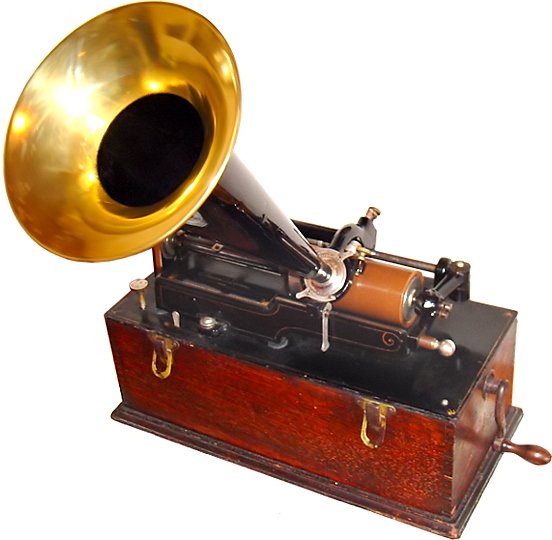

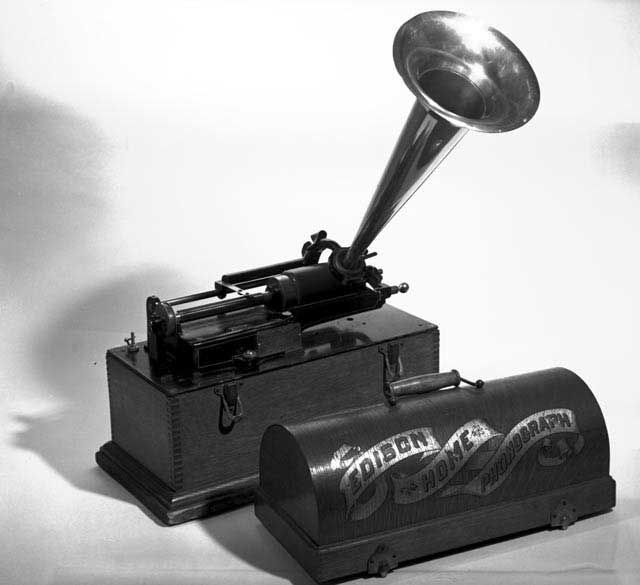
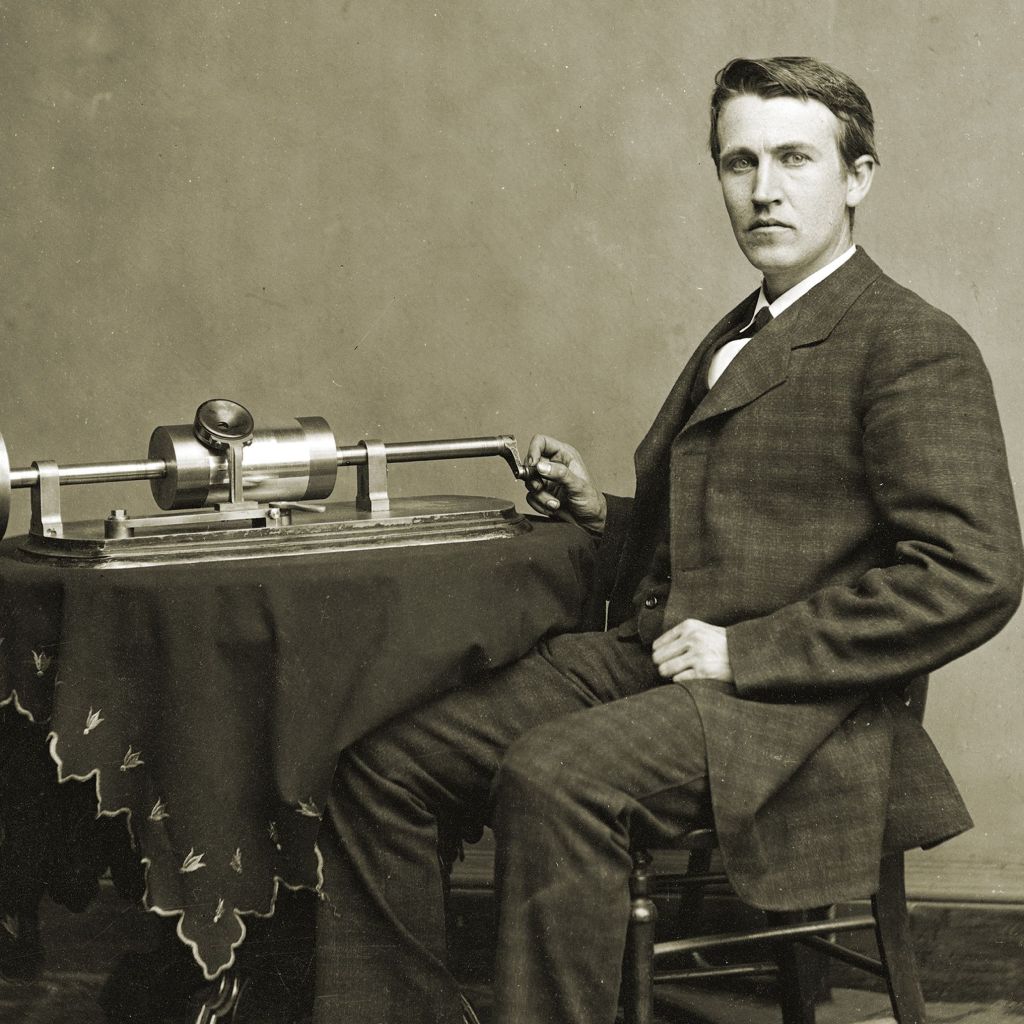
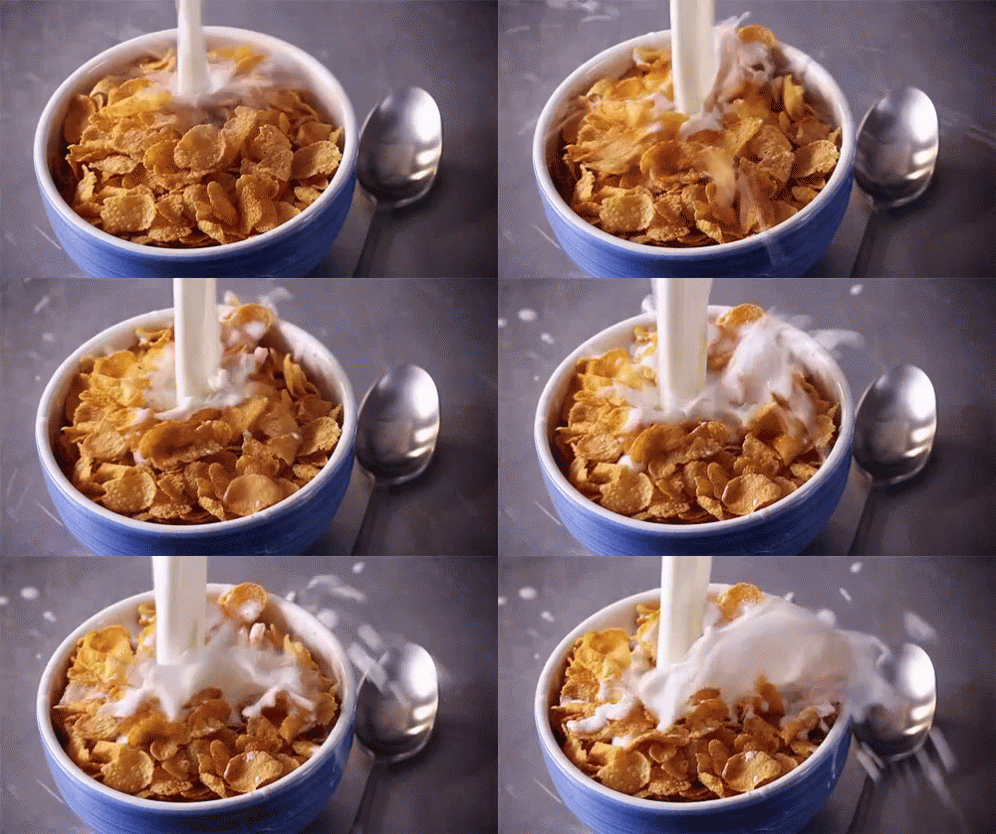
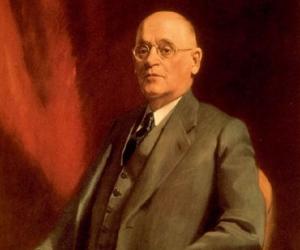
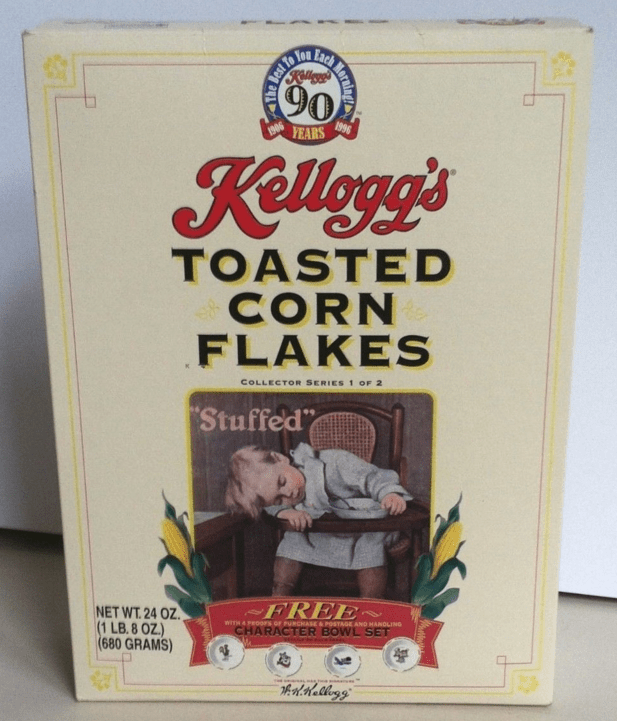
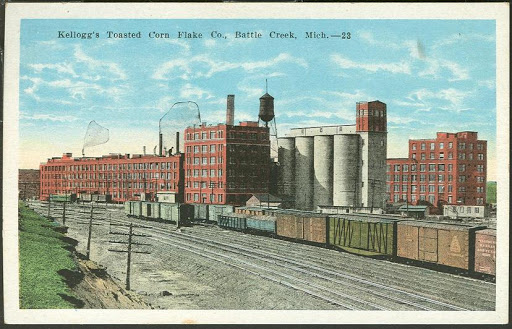



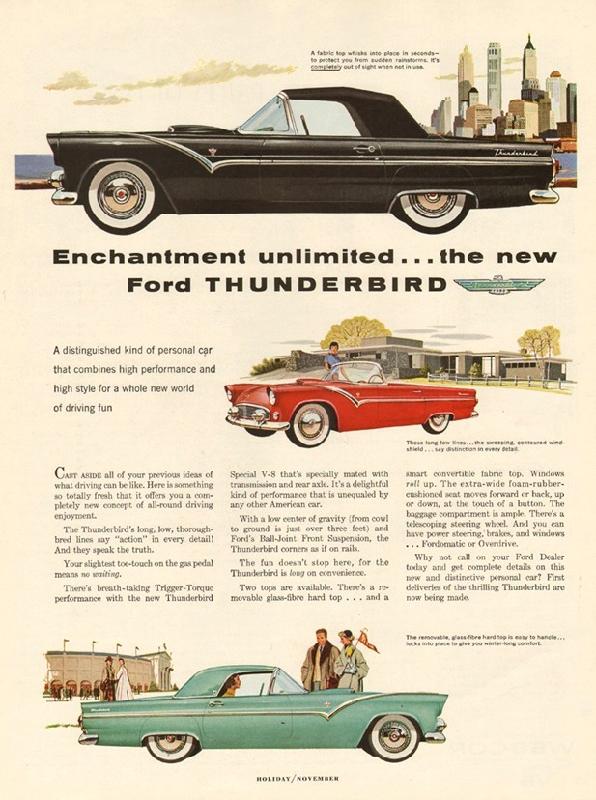






 Angelika's World