

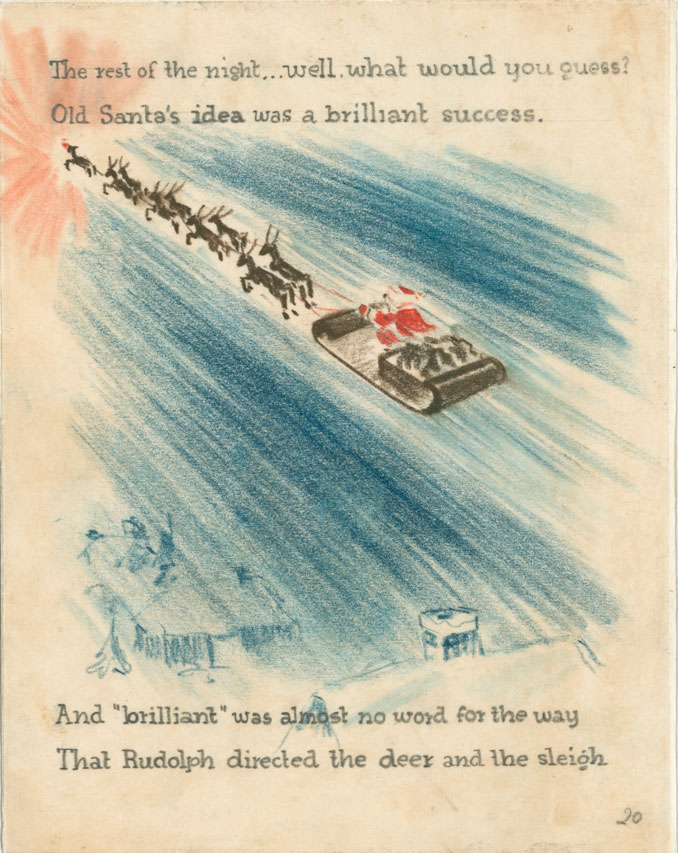
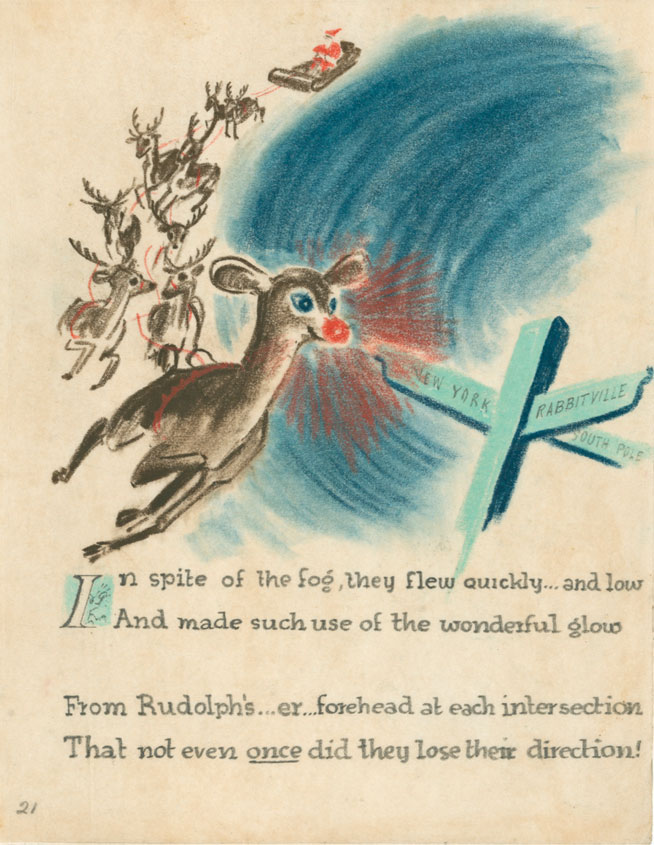
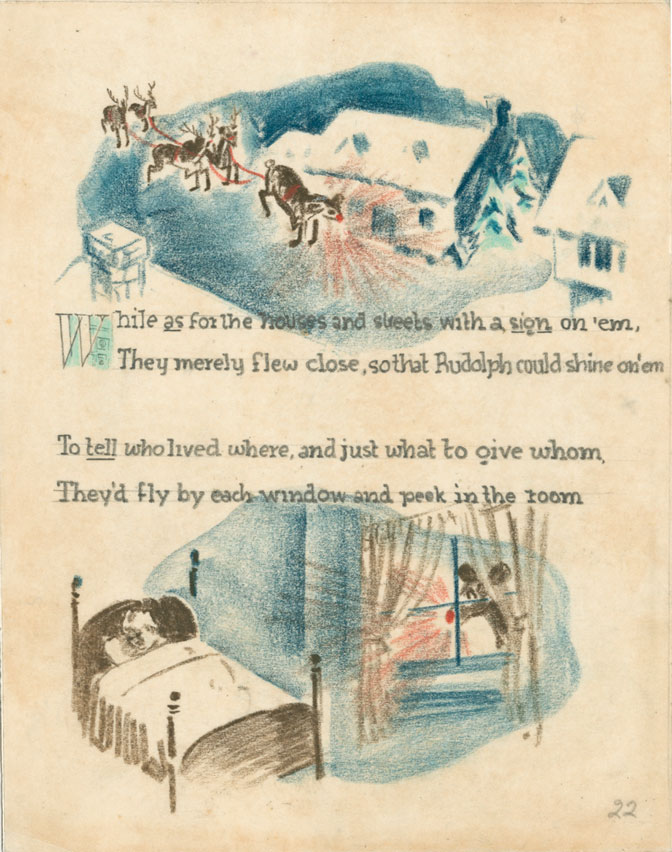
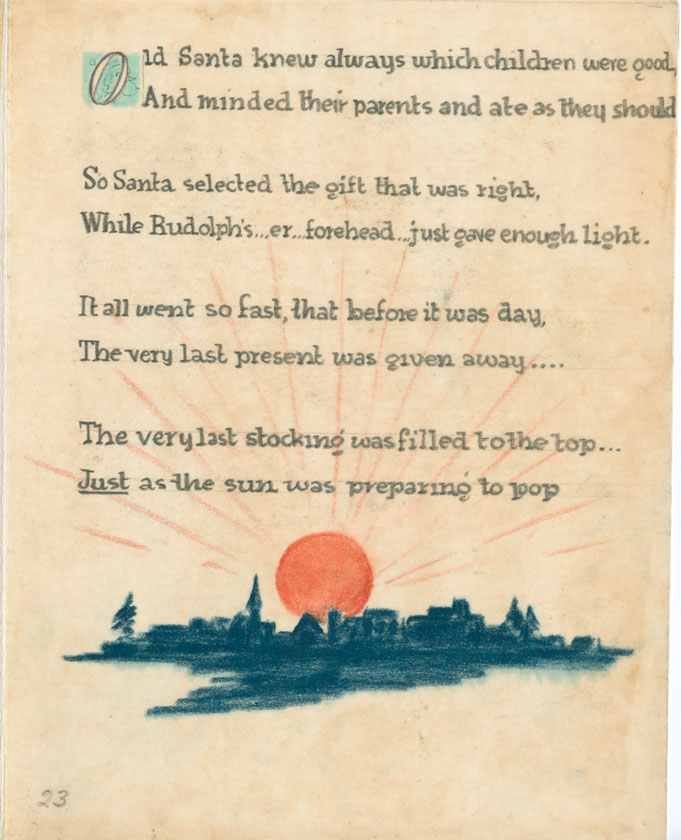
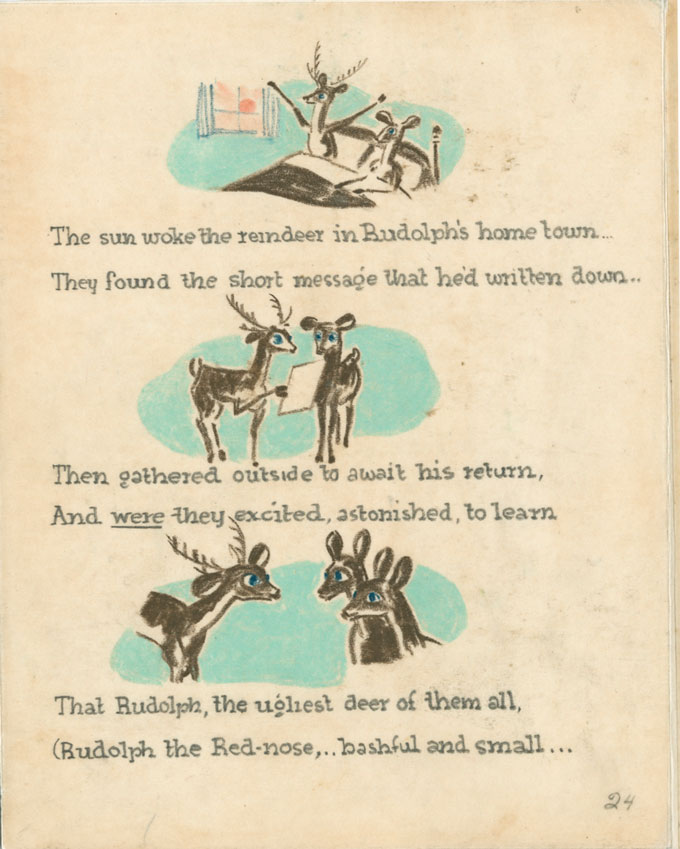
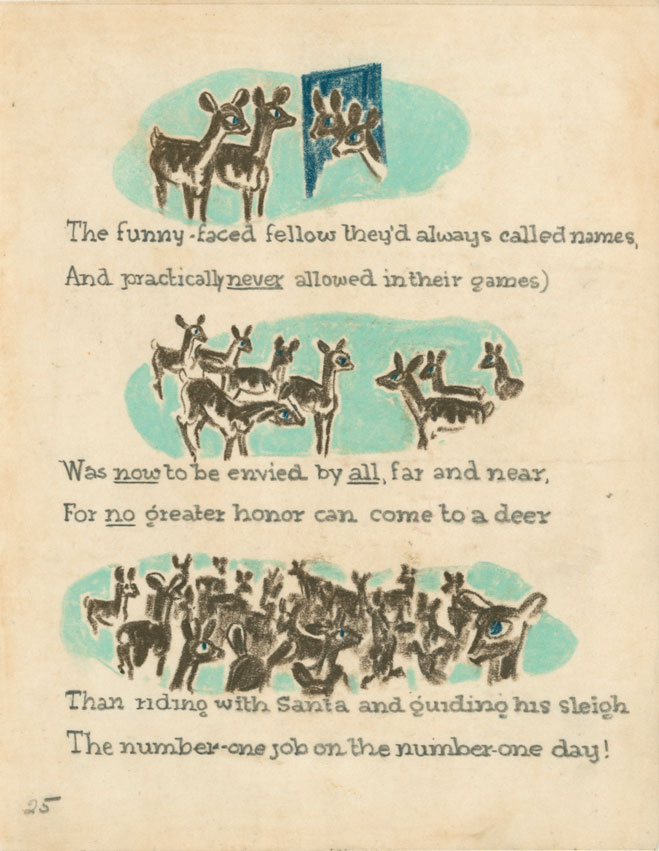
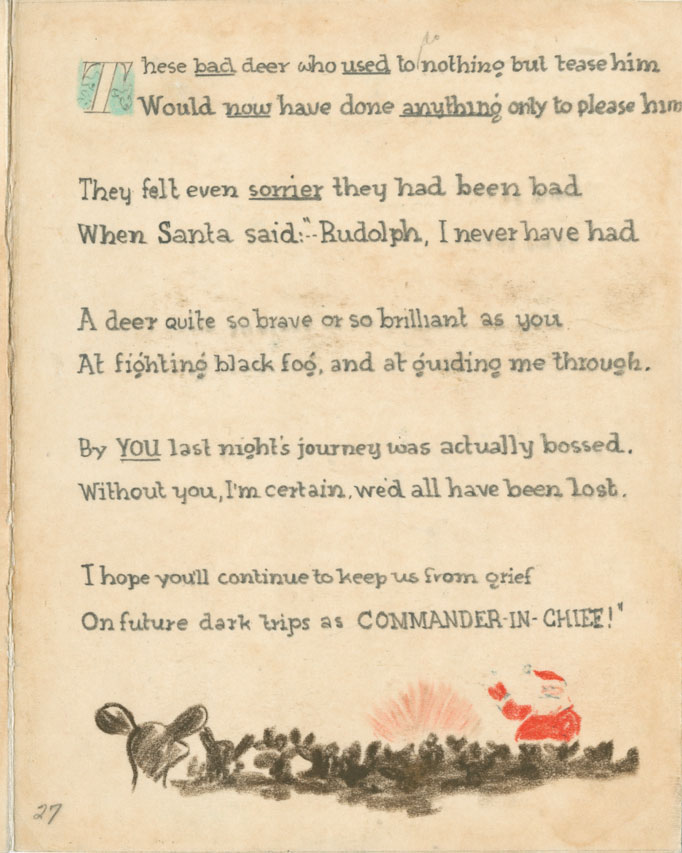
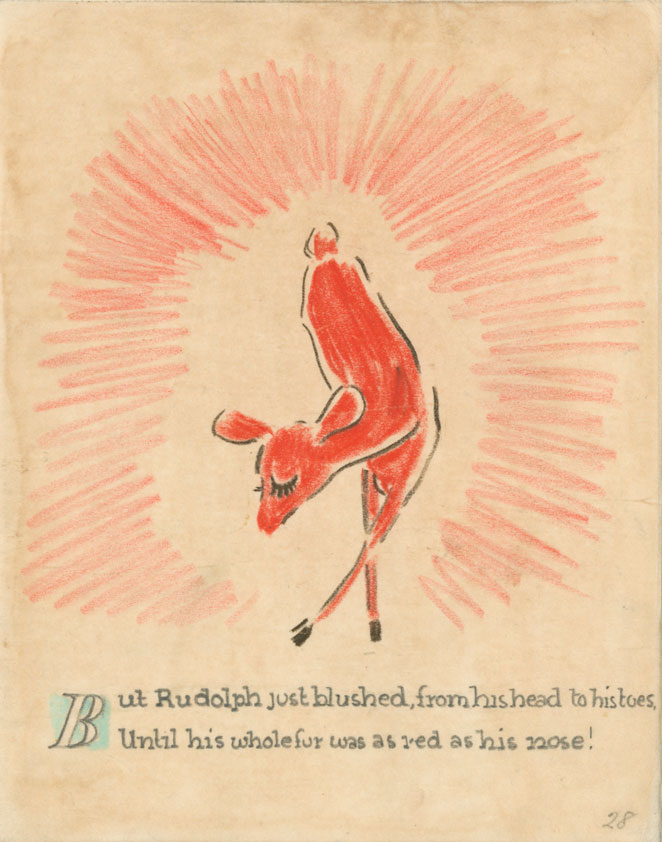
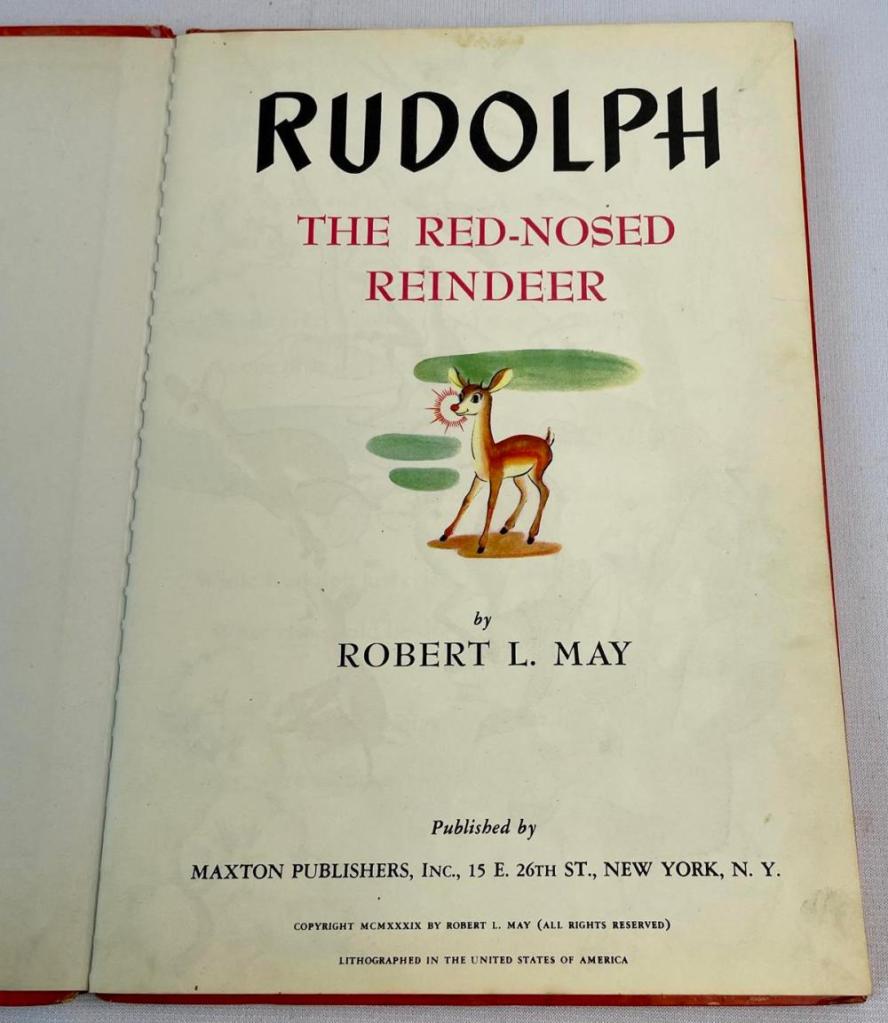
“The story of Rudolph the Red-Nosed Reindeer dates back to 1939 and centers around a copywriter named Robert L. May. May worked for Montgomery Ward, a Chicago-based department store and mail-order company.
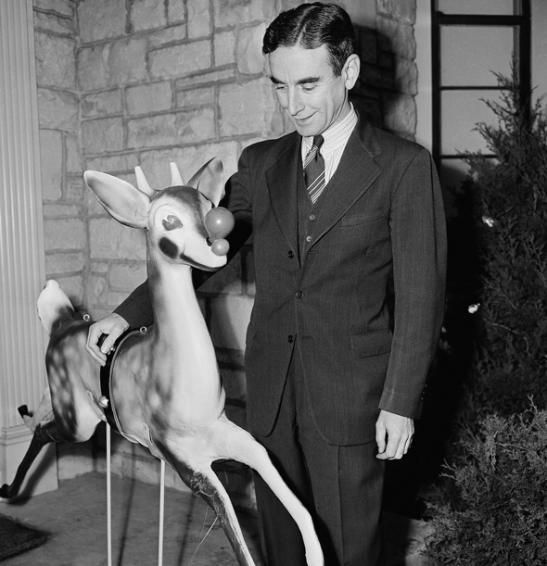
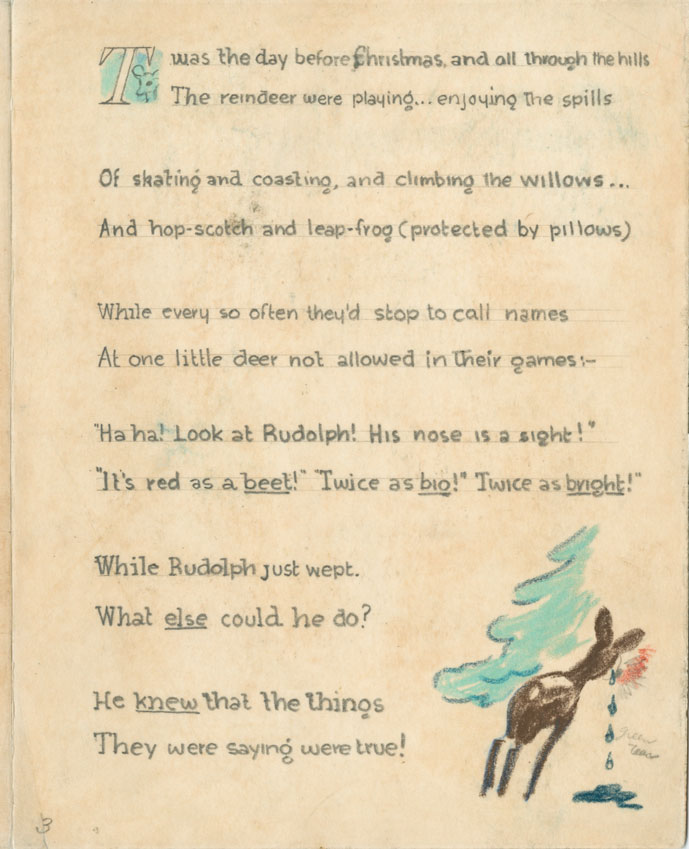
At the time, the department store would traditionally distribute coloring books for children during the holiday shopping season. According to “Rudolph the Red-Nosed Reindeer: An American Hero” author Ronald D. Lankford, Jr., May was assigned to pen verses for one such booklet.

He created a poem about a fictional reindeer with a shiny, red nose, drawing upon his own recollections of being bullied as a child. May was assigned the project in the midst of a particularly tragic year. His wife, Evelyn, died of cancer in July, and the widower found himself deep in debt while trying to raise his young daughter. Despite those struggles, May was able to complete his assignment, turning in a poem with a meter similar to that of the classic “A Visit from St. Nicholas.”
In 1939, booklets containing the poem about Rudolph were handed out to shoppers. In total, 2.4 million free copies of the story were given away that year, and Montgomery Ward customers picked up a further 3.6 million in 1946.
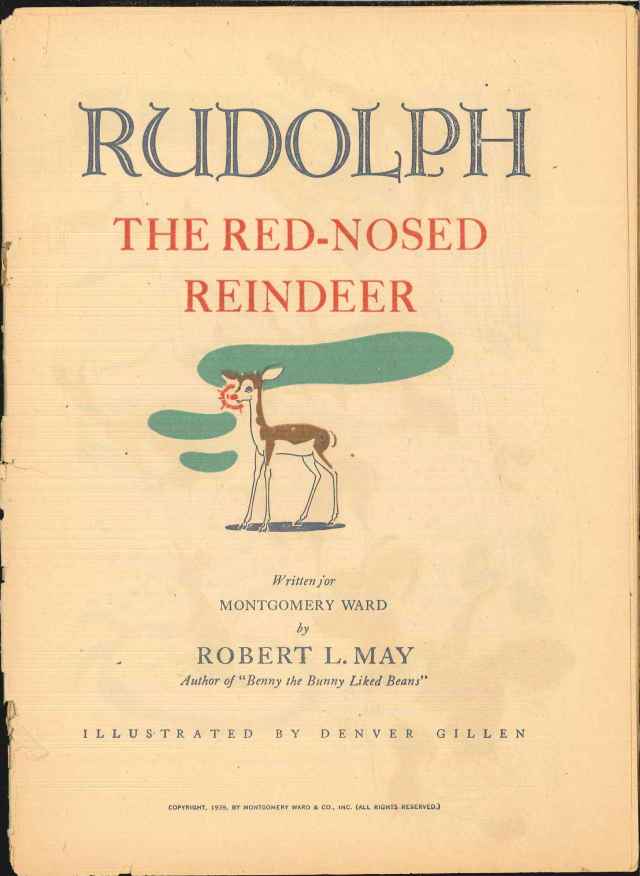



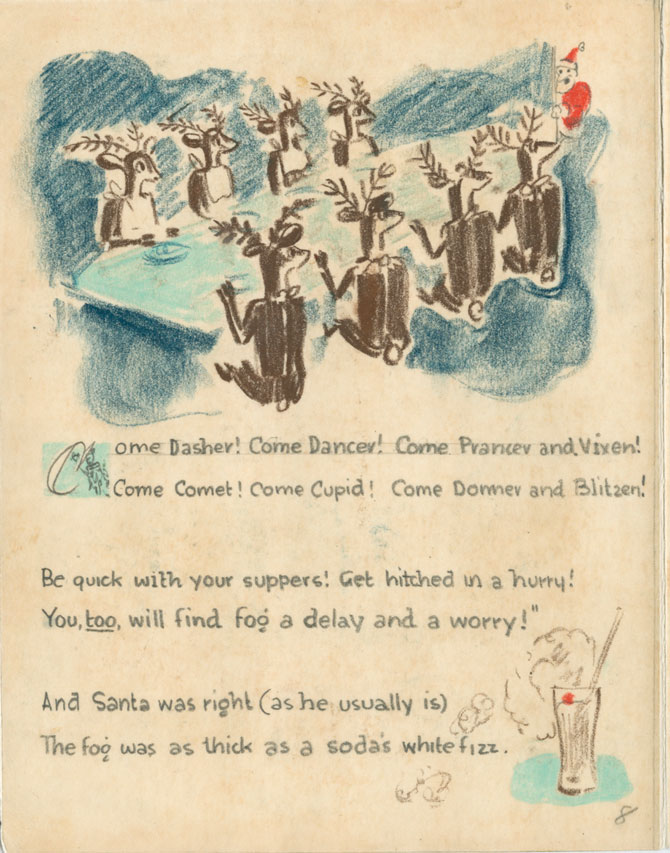
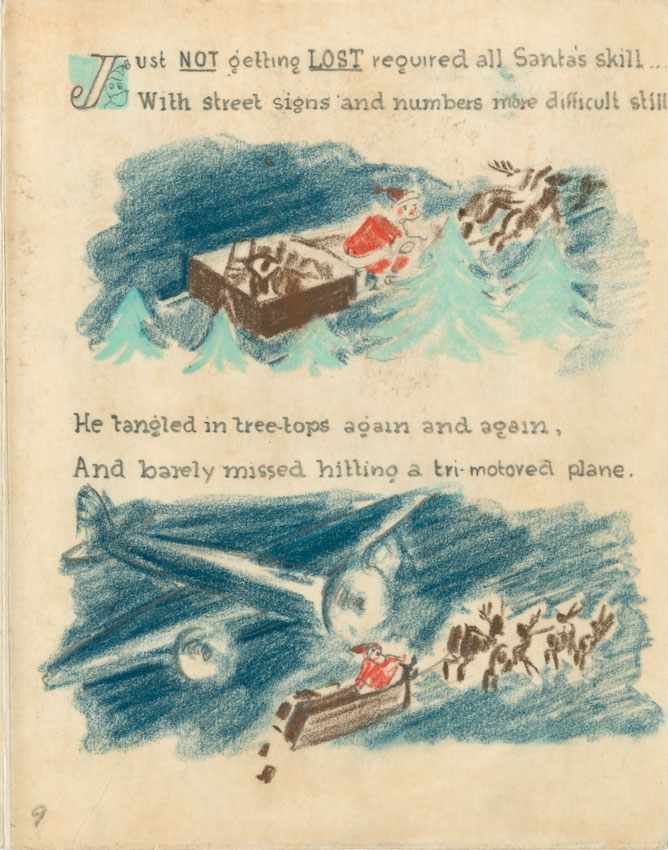

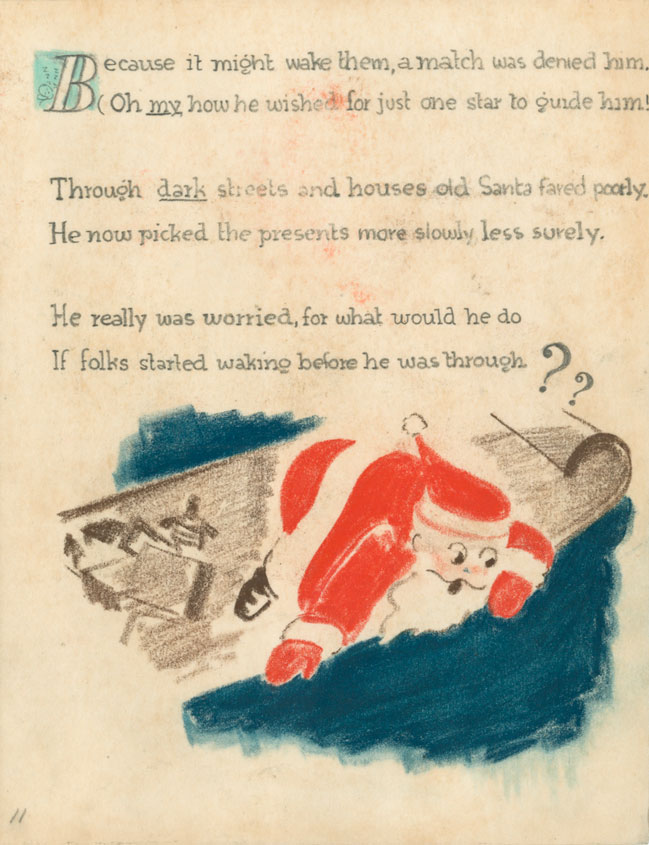
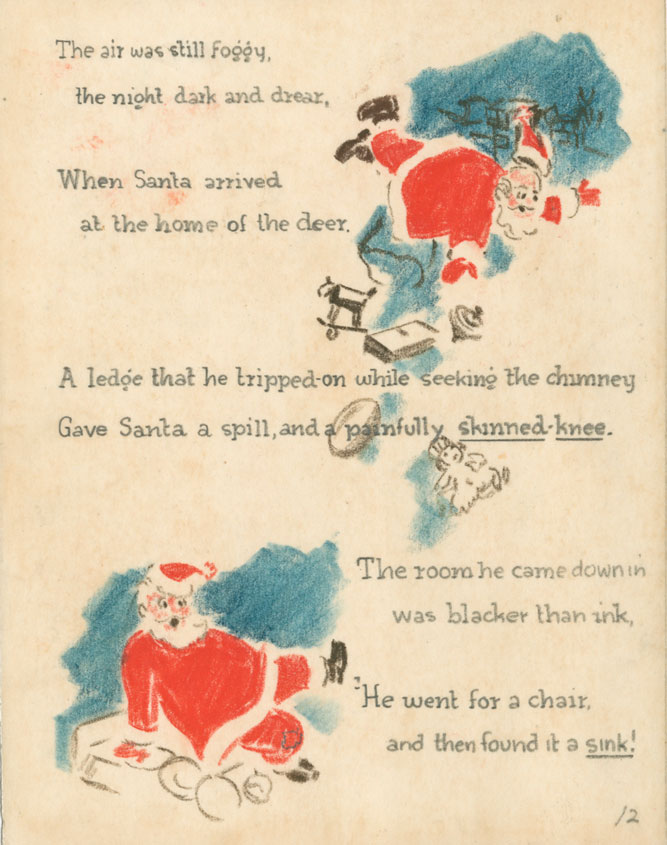
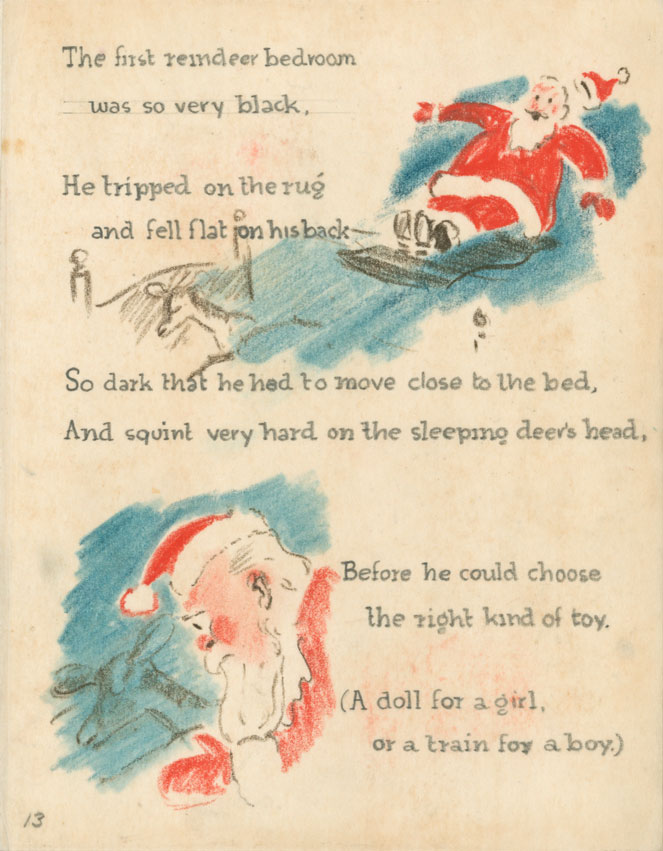
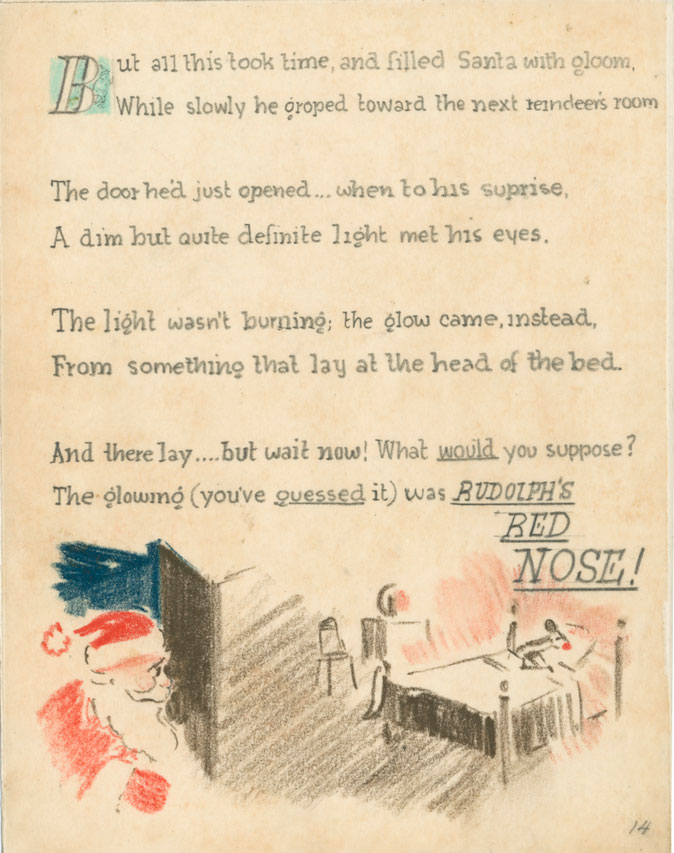


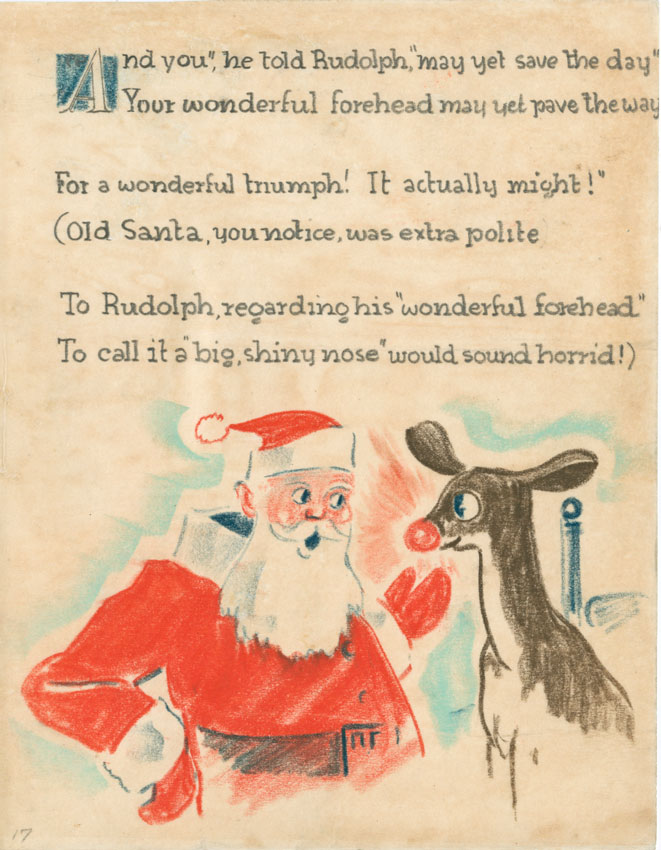
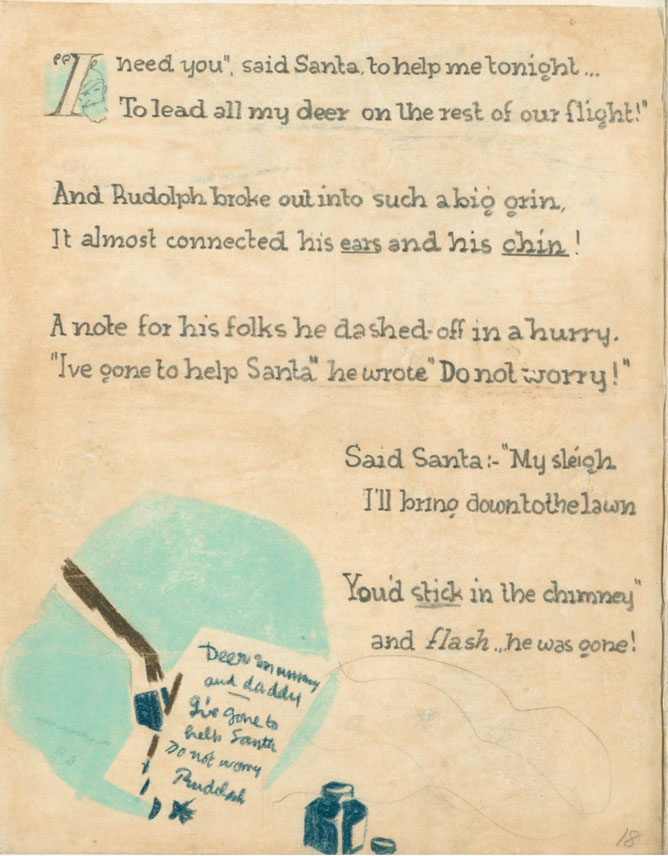
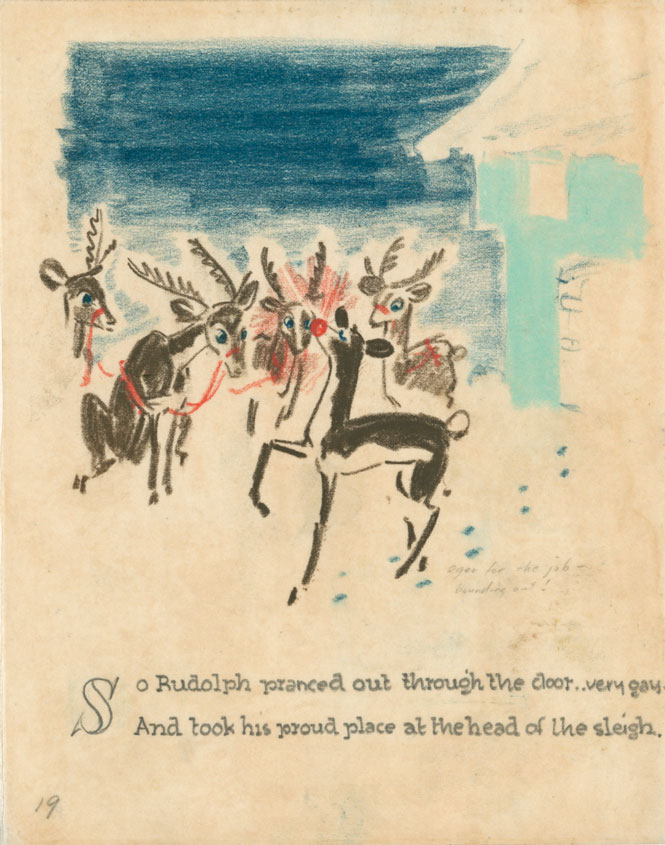


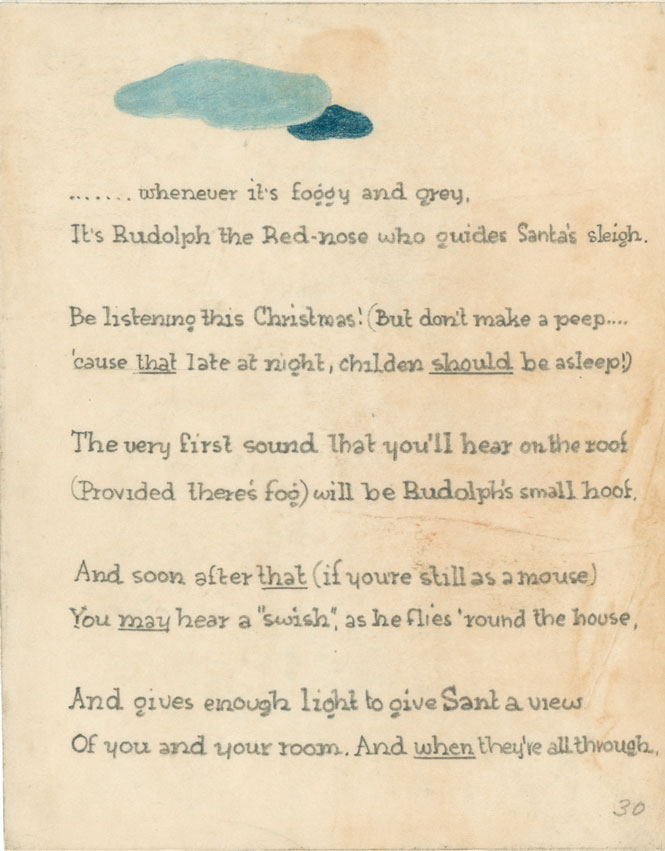
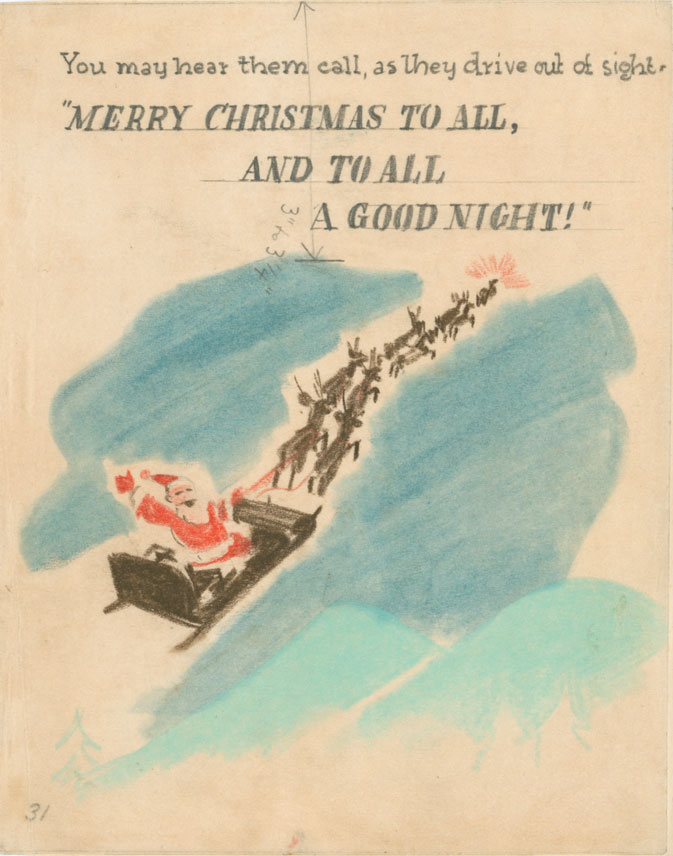

Remarkably, company president Sewell Avery signed over the poem’s rights to May in late 1946 so that the copywriter could be compensated for his work.
A decade after the character’s introduction, May’s brother-in-law Johnny Marks penned a tune to go along with the poem, according to “Stories Behind the Greatest Hits of Christmas” author Ace Collins. In 1964, Rankin/Bass Productions came out with its famous stop-motion movie based on the story.
And, while Montgomery Ward shuttered in 2001, Rudolph the Red-Nosed Reindeer remains one of the most famous holiday icons in the world”. (Business Insider) https://www.businessinsider.com/rudolph-the-red-nosed-reindeer-origin-story-montgomery-ward-2019-11
Rudolph the Red-Nosed Reindeer: The Movie
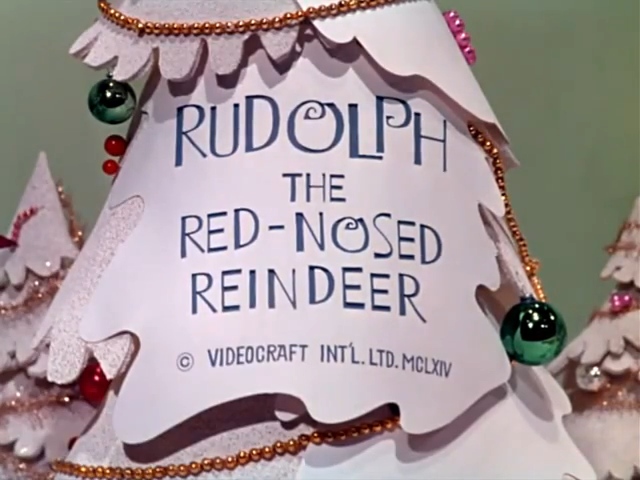
In 1964, Johnny Marks’ song gave inspiration for the stop-motion film. It was produced by Rankin/Bass Productions and, with the exception of Burl Ives, all of the voices were recorded by Canadian actors at RCA Studio in Toronto. This included Paul Soles, who in a 2014 interview with CBC explained the appeal of the story: “Everybody’s been to some degree separated out, found wanting, not quite fully fitting in,” said Soles, who himself did not always fit in growing up Jewish. The popularity of Rudolph the Red-Nosed Reindeer has never waned. It has been broadcast every year since 1964, making it the longest-running Christmas TV special in history.
Rudolph the Red-Nosed Reindeer behind the scenes
A Little history of the film making

Rick Goldschmidt

“Rick Goldschmidt is perhaps the ultimate Rudolph scholar and authored The Making of the Rankin/Bass Holiday Classic: Rudolph the Red-Nosed Reindeer (yes, I have a hardcover first edition from 2001). He points out that the television special, bankrolled by GE for its General Electric Fantasy Hour, took about 18 months to complete and cost more than $500,000 to produce, an amount that would exceed $4.5 million today. It was “a smash hit” in its first airing, watched by 55% of television viewers. Subsequently, it became what’s described as the longest-running, highest-rated special in television history.
Tad Mochinaga

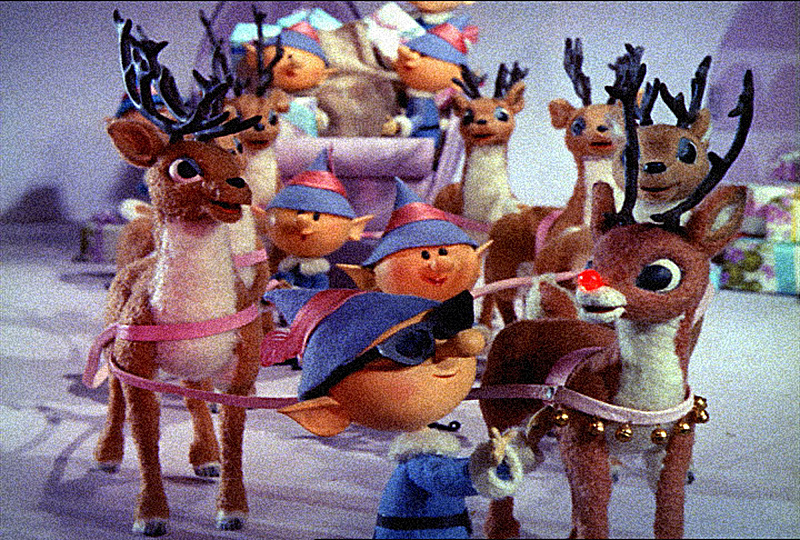
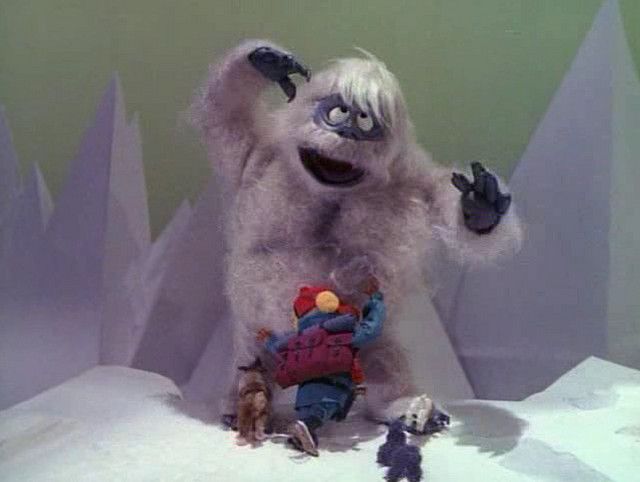
Animagic process. Rankin/Bass, as Videocraft International, contracted with Tokyo’s pioneering Tad Mochinaga for the stop-motion “Animagic” animation. Scripts, pre-recorded voices and sounds made their way to Japan, and an estimated 82 puppet figures were created. The average height was eight inches (a notable exception was the comparatively huge Abominable Snowmonster, or Bumble), and most sets were no larger than six by eight feet.

The Japanese animators “were learning on the job,” and the puppets were generally composition rubber dolls that “would last about 16 months, tops,” recalled Arthur Rankin to Goldschmidt. Human puppets had mouth shapes drawn on Japanese paper that were pasted on and removed to match dialogue. Rudolph’s head, torso and hooves were carved wood, but his red nose was a custom-made 12V light bulb.
You may notice that the figures have only three fingers and a thumb. It was, Rankin said, “just enough for them to grasp things” and not clutter the animation. Oh, and the animated water? Cellophane.
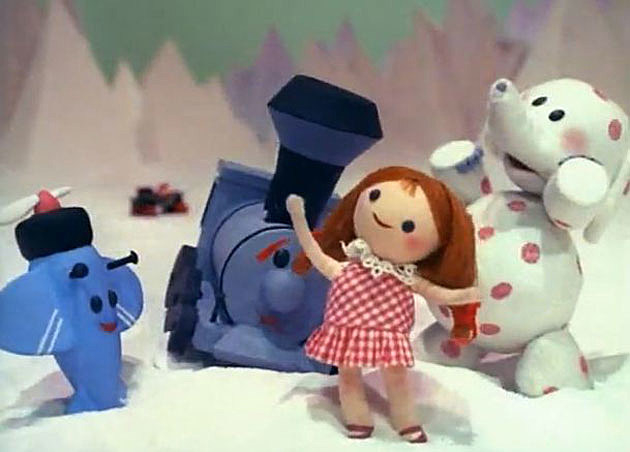


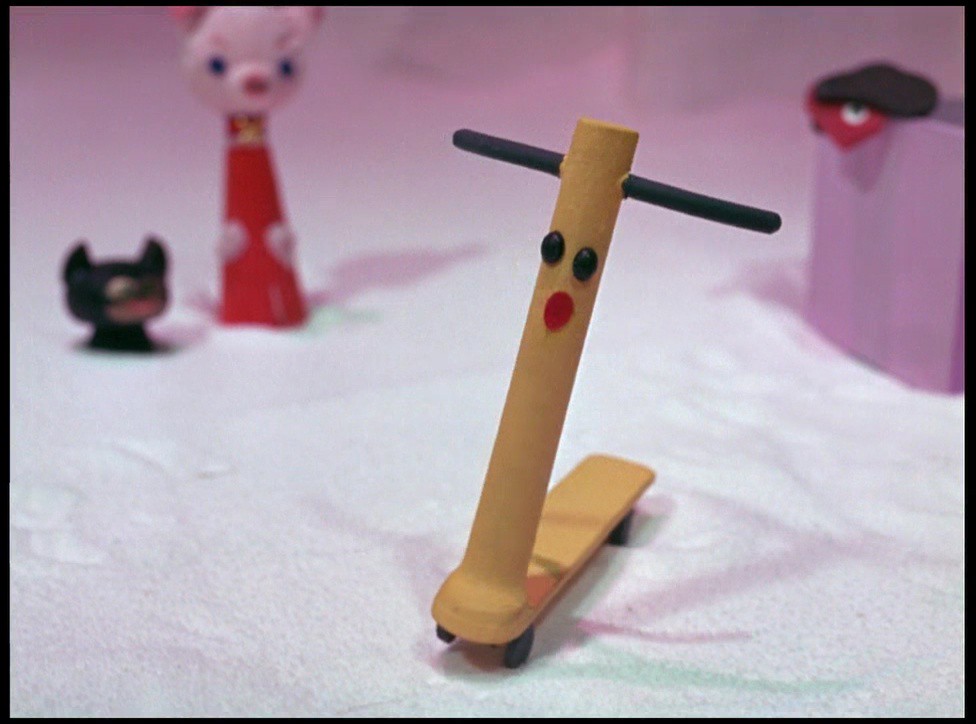
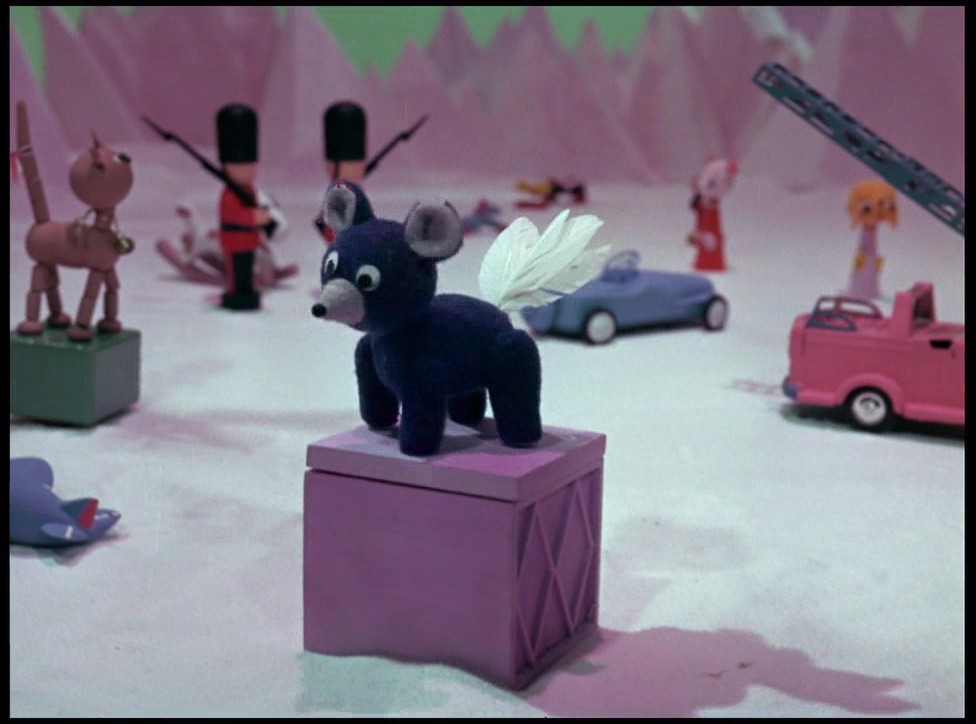
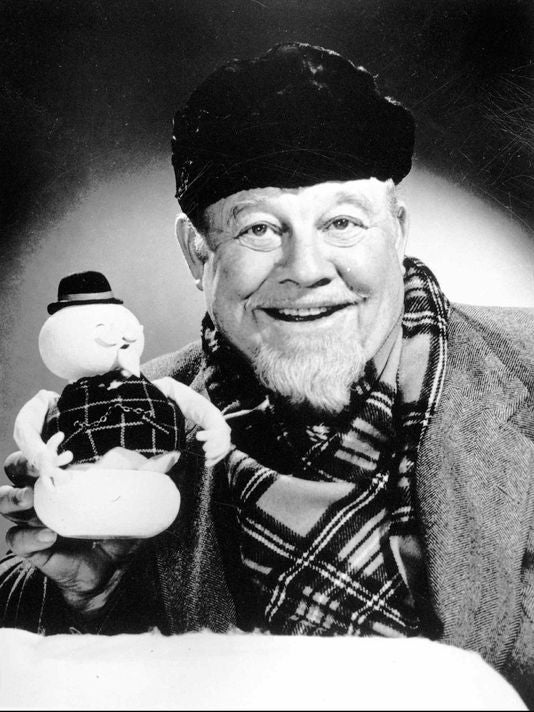
Sound recording. While the animation was a product of Japan, almost all of the audio – including the character voice actors – were products of Canada. The one exception was Sam the Snowman, performed by Burl Ives (whose Anacortes, WA home was decorated with large wooden cutouts of Rudolph figures for many seasons). Dialogue was recorded in Canada, and songs for the soundtrack with the mostly Canadian cast were reportedly taped in New York on a single day.
Bill Giles, sound engineer at RCA Victor’s studios in Canada, had the only Canadian facilities equipped for two- and four-track recording, Goldschmidt notes. Giles used Ampex tape recorders and a special Western Electric microphone “suitable for the audio tracks to be transferred to film.” Despite, or perhaps because of, the primitive equipment, Giles said, “The artists performed much better, as they know how they performed would be what the public would hear and not electronically enhanced.”

Advertised products. While not a technological advance, Rudolph gives us a window into consumer technology of the era. Keep in mind the sponsor was mass-market giant General Electric, and it decided to use three figures from the special as pitch-elves for both print ads and three animated 60-second commercials.
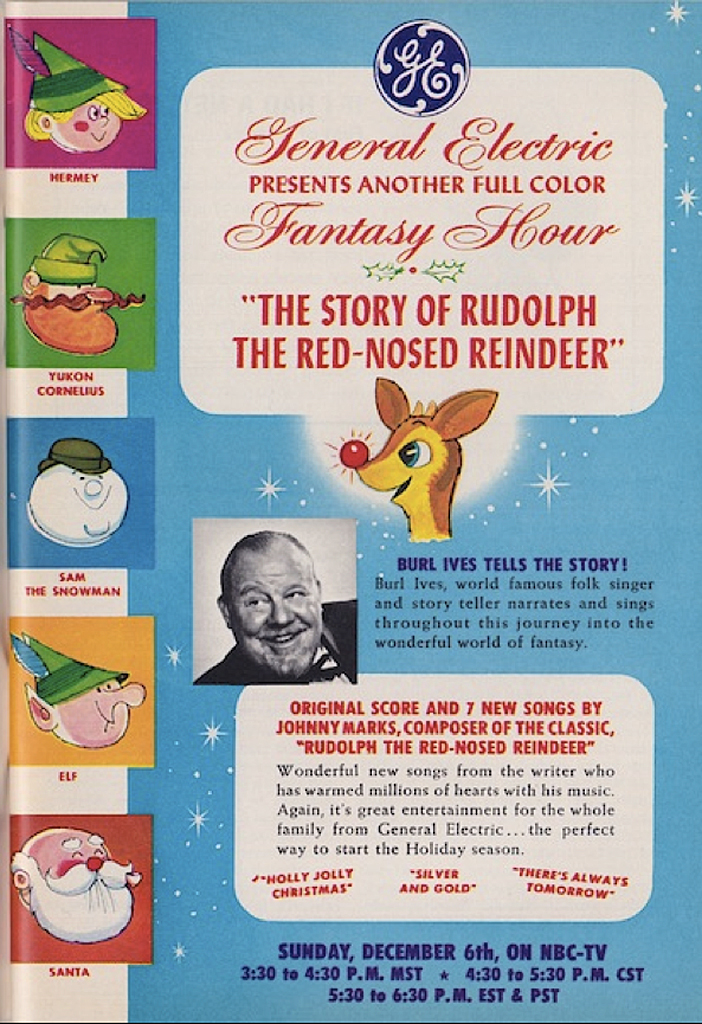
The (sometimes literally) hot products? A cordless electric carving knife, electric blanket, electric toothbrush, deluxe electric can opener, electric skillet, and deluxe electric toaster oven – this last prompting the elf who shields his eyes with sunglasses as Rudolph’s nose glows to don them once more for the ad.
True Rudolphians will note the television special iRudolphshelfdisplay2croptself has changed several times over the years.
From 1965 to 1997, the song “Fame and Fortune” replaced “We’re a Couple of Misfits,” and the closing Island of Misfit Toys sequence was added in 1965 after viewers protested they never actually saw the toys being rescued by Santa (in 1998’s restoration, 1964’s “We’re a Couple of Misfits” returned). But only on DVD can you find the fabled, original peppermint scene that explains why Yukon keeps licking his pickaxe after tossing it into the air.
Rudolph (1964-1979) We’re A Couple Of Misfits
Despite all the revelations, technological and scientific mysteries remain. Why do Bumbles bounce? And what bioluminescent reaction powers Rudolph’s nose and causes it to whine, without poisoning the reindeer or driving those within earshot mad?
I hope we don’t have to wait another 50 years to find out”. (Geek Wire) https://www.geekwire.com/2014/the-geeky-tech-behind-rudolph/
Rudolph The Red Nosed Reindeer FULL MOVIE
The Island of Misfit Toys
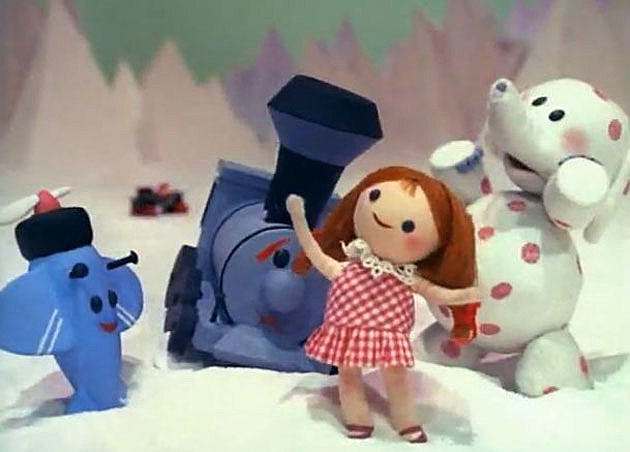
Rudolph The Rednosed Reindeer – The Island of Misfit Toys

Rudolph The Red Nosed Reindeer Island of Misfit Toys
“Rudolph, the Red-Nosed Reindeer” The song
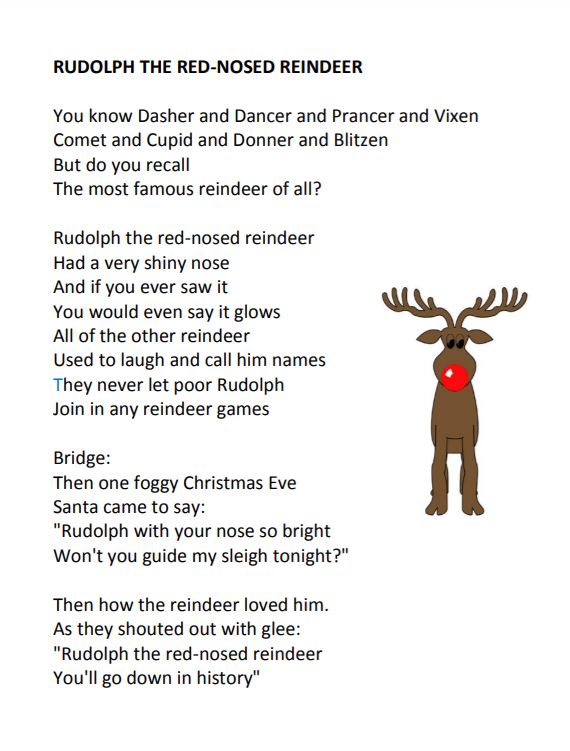
“Rudolph, the Red-Nosed Reindeer” is a song by songwriter Johnny Marks based on the 1939 story Rudolph the Red-Nosed Reindeer published by the Montgomery Ward Company. Gene Autry‘s recording hit No. 1 on the U.S. charts the week of Christmas 1949.
In 1939, Marks’ brother-in-law, Robert L. May, created the character Rudolph as an assignment for Montgomery Ward, and Marks decided to adapt the story of Rudolph into a song. English singer-songwriter and entertainer Ian Whitcomb interviewed Marks on the creation of the song in 1972.
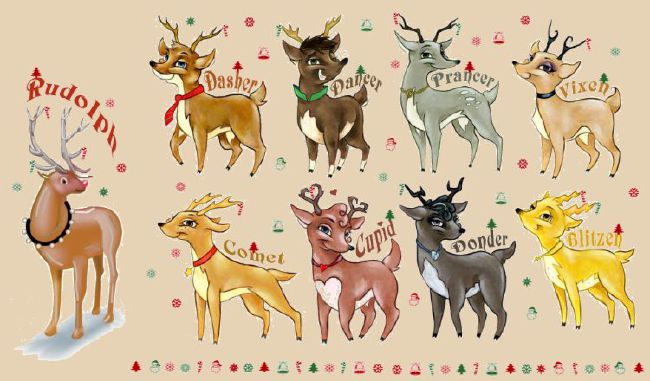
The song had an added introduction, paraphrasing the poem “A Visit from Saint Nicholas” (public domain by the time the song was written), stating the names of the eight reindeer, which went:

“You know Dasher and Dancer and Prancer and Vixen,
Comet and Cupid and Donner and Blitzen,
But do you recall
The most famous reindeer of all?”
The song was first introduced live on New York Radio (WOR) by crooner Harry Brannon in November 1949. Gene Autry recorded the song on June 27, 1949; which was later released as a children’s record by Columbia Records in September 1949. By November, Columbia began pushing the record to the pop music market. It hit No. 1 in the US charts during Christmas 1949. The song was suggested as a “B” side for a record Autry was making. Autry first rejected the song, but his wife convinced him to use it. The success of this Christmas song by Autry gave support to Autry’s subsequent popular Easter song, “Here Comes Peter Cottontail”. Autry’s version of the song also holds the distinction of being the only chart-topping hit to fall completely off the chart after reaching No. 1. The official date of its No. 1 status was for the week ending January 7, 1950, making it the first No. 1 song of the 1950s. The song was also performed on the December 6, 1949, Fibber McGee and Molly radio broadcast by Teeny (Marian Jordan’s little girl character) and the Kingsmen vocal group. The lyrics varied greatly from the Autry version. Autry’s recording sold 1.75 million copies its first Christmas season and 1.5 million the following year. In 1969, it was awarded a gold disk by the RIAA for sales of 7 million, which was Columbia’s highest-selling record at the time. It eventually sold a total of 12.5 million. Cover versions included, sales exceed 150 million copies, second only to Bing Crosby’s “White Christmas”.
Autry recorded another version of the song in the fall of 1957 and released it the same year through his own record label, Challenge Records. This version featured an accompaniment by a full orchestra and chorus. This was the only other version of the song Autry recorded and released on an album

Other notable recordings
- 1950: The song was recorded by Bing Crosby on June 22, 1950 with John Scott Trotter and his Orchestra. His version reached No. 6 on Billboard‘s Best Selling Children’s Records chart and No. 14 on Billboard‘s pop singles chart that year.
- 1950: Spike Jones and his City Slickers released a version of the song that peaked at No. 7 on Billboard‘s pop singles chart and No. 8 on Billboard‘s Best Selling Children’s Records chart.
- 1951: Red Foley and The Little Foleys released a version of the song that peaked at No. 8 on Billboard‘s Best Selling Children’s Records chart.
- 1956: The Cadillacs released a doo-wop version of the song that peaked at No. 11 on Billboard‘s Rhythm & Blues Records chart.
- 1960: Alvin and the Chipmunks recorded a popular cover for their album Around the World with The Chipmunks that charted at No. 21 on the Billboard Hot 100. In their version, Rudolph himself sang with the Chipmunks, his vocals indicating suffering from a cold (hence the red nose). They would record the song again for their 1961 album Christmas with The Chipmunks and their 1994 album A Very Merry Chipmunk as a duet with Gene Autry.
- 1960: The Melodeers released a doo-wop version of the song that peaked at No. 72 on Billboard‘s Hot 100 singles chart.
- 1964: Burl Ives recorded the song for the soundtrack of the holiday TV special Rudolph the Red-Nosed Reindeer. The soundtrack album containing Ives’s version reached No. 142 on the Billboard 200 albums sales chart. He would re-record the song the following year for his holiday album Have a Holly Jolly Christmas.
- 1968: The Temptations released a version of the song that peaked at No. 12 on Billboard‘s special, year-end, weekly Christmas Singles chart (this same version later got as high as No. 3 on the same chart in December 1971). Their version of the song was also included on the group’s 1970 Christmas album, The Temptations Christmas Card.
Rudolph, the Red-Nosed Reindeer Gene Autry
Rudolph, the Red-Nosed Reindeer Bing Crosby
Rudolph, the Red-Nosed Reindeer Spike Jones and his City Slickers
Rudolph, the Red-Nosed Reindeer Red Foley and The Little Foleys
Rudolph, the Red-Nosed Reindeer The Cadillacs
Rudolph, the Red-Nosed Reindeer Alvin and the Chipmunks
Rudolph, the Red-Nosed Reindeer Alvin and the Chipmunks with Gene Autry
Rudolph, the Red-Nosed Reindeer Burl Ives
https://youtu.be/fdjXRGPKH5g?si=_G8y5KBoEU1VWzGB
Rudolph, the Red-Nosed Reindeer The Temptations
Rudolph, the Red-Nosed Reindeer Jimmy Durante
Rudolph, the Red-Nosed Reindeer Perry Como
Rudolph, the Red-Nosed Reindeer Dean Martin
Rudolph, the Red-Nosed Reindeer Ella Fitzgerald https://youtu.be/f_d1Vz2kaXU?si=b8wTTc-gTOEp5Zup
Rudolph, the Red-Nosed Reindeer The Supremes
Rudolph, the Red-Nosed Reindeer Jackson 5
Rudolph, the Red-Nosed Reindeer John Denver
Rudolph, the Red-Nosed Reindeer Red Sovine
Rudolph, the Red-Nosed Reindeer Willie Nelson
Rudolph, the Red-Nosed Reindeer Dolly Parton
Rudolph, the Red-Nosed Reindeer Harry Connick, Jr.
Rudolph, the Red-Nosed Reindeer Sammy Kershaw
Rudolph, the Red-Nosed Reindeer Babyface
Rudolph, the Red-Nosed Reindeer George Strait
Rudolph, the Red-Nosed Reindeer Jewel
Rudolph, the Red-Nosed Reindeer The Charlie Daniels Band
Rudolph, the Red-Nosed Reindeer Chicago
Rudolph, the Red-Nosed Reindeer Barenaked Ladies
Rudolph, the Red-Nosed Reindeer Asleep at the Wheel featuring Jack Ingram
Rudolph, the Red-Nosed Reindeer Barry Manilow
Rudolph, the Red-Nosed Reindeer Straight No Chaser
Rudolph, the Red-Nosed Reindeer Jim Jensen
Rudolph, the Red-Nosed Reindeer Mary J. Blige
Rudolph, the Red-Nosed Reindeer Kacey Musgraves
Rudolph, the Red-Nosed Reindeer Jimmy Buffett
Rudolph, the Red-Nosed Reindeer Voctave
Rudolph, the Red-Nosed Reindeer Martina McBride
Rudolph, the Red-Nosed Reindeer Pentatonix
Rudolph, the Red-Nosed Reindeer Meghan Trainor feat. Jayden Toney, Jenna Toney, Marcus Toney
Rudolph, the Red-Nosed Reindeer Carpenters
Rudolph, the Red-Nosed Reindeer Alan Jackson
Rudolph, the Red-Nosed Ringo and The Beatles
Rudolph, the Red-Nosed Reindeer California Raisins
The Temptations, as the California Raisins, sings Rudolph The Red Nosed Reindeer https://youtu.be/-psq9KW_hAc?si=maZKx1x2Pj6gQr1T
Rudolph the Red-Nosed Reindeer Destiny’s Child
Rudolph The Red-Nosed Reindeer · Rugrats
Rudolph the Red-Nosed Reindeer · Mickey Mouse · Goofy · Minnie Mouse
“Rudolph The Red-Nosed Reindeer “William Shatner feat. Billy Gibbons
Rudolph The Red-Nosed Reindeer Big Bad Voodoo Daddy
Rudolph The Red Nosed Reindeer Frank Sinatra & Bing Crosby

Rudolph, the Red-Nosed Reindeer Story time
Rudolph the Red-Nosed Reindeer by smart apps for kids
Rudolph the Red-Nosed Reindeer | 1976 Little Golden Book & Record
Rudolph the Red-Nosed Reindeer Cartoons
Rudolph The Red-Nosed Reindeer (1948) HOLIDAY CARTOON
Rudolph The Red Nosed Reindeer 1964
Rudolph the Red Nosed Reindeer The Movie 1998
I hope you have enjoyed learning all about Rudolph the Red-nosed Reindeer with me. I learned a lot. If you have enjoyed this content, please feel free to; like, comment, share and Subscribe to my Blog. Have a nice day. Hope to see you soon! 🙂
 Angelika's World
One thought on “Rudolph the Red-Nosed Reindeer”